In a bold move signaling a shift in military procurement strategy, Canada has officially excluded the United States from a lucrative $20 billion submarine deal, opting instead to partner with South Korea. This decision, underscored by Canadian Prime Minister Mark Carney’s recent visit to Hanwa’s KSS3 submarine shipyard, marks a significant pivot in Canada’s defense posture, as the nation seeks to modernize its naval capabilities independent of American influence.
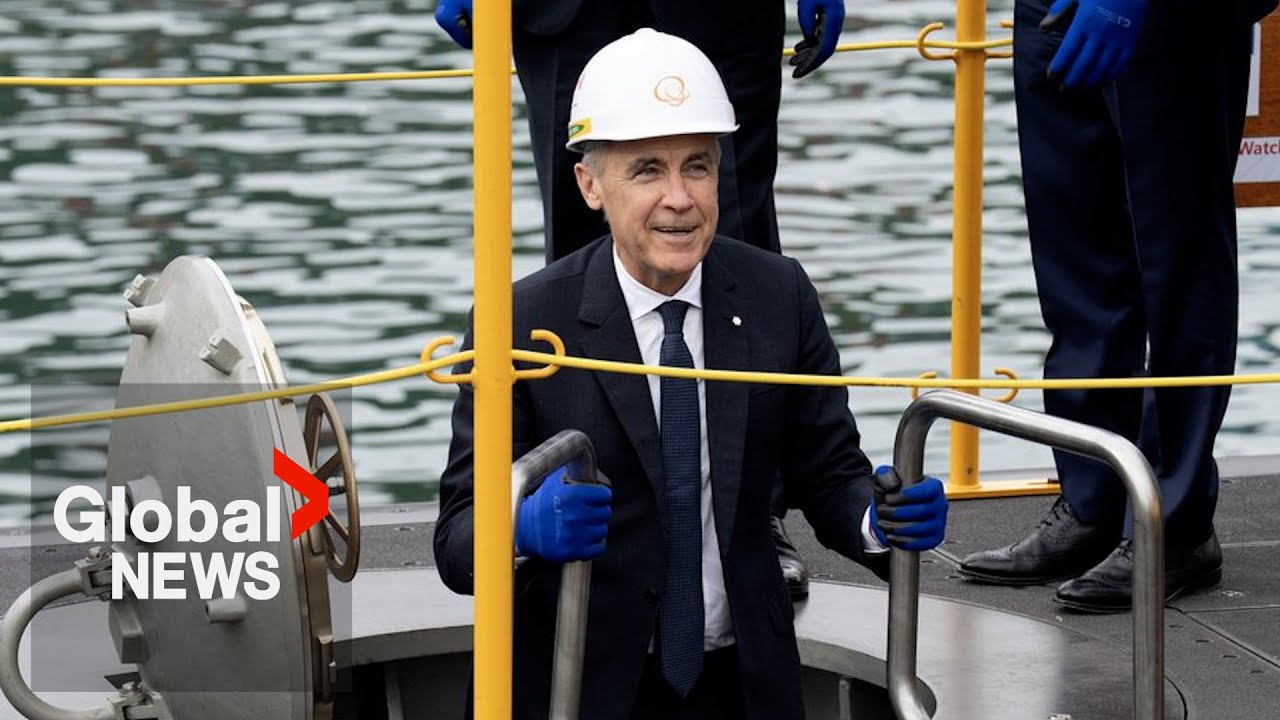
During his tour of one of Asia’s largest shipyards, Carney witnessed firsthand the advanced technology and operational submarines offered by South Korea. The KSS3 submarines, already in service with the Korean Navy, present an attractive option due to their proven capabilities and the promise of accelerated production timelines. If the deal is finalized by 2026, Canada could see four new submarines by 2035, substantially upgrading its aging fleet.
This strategic partnership with South Korea extends beyond mere procurement. It symbolizes Canada’s departure from a reliance on U.S. defense contracts, which traditionally have kept production and intellectual property confined within American borders. Instead, South Korea’s proposal includes technology transfer, crew training, and the establishment of maintenance facilities on Canadian soil—elements that foster a long-term collaboration aimed at bolstering Canada’s own defense industry.
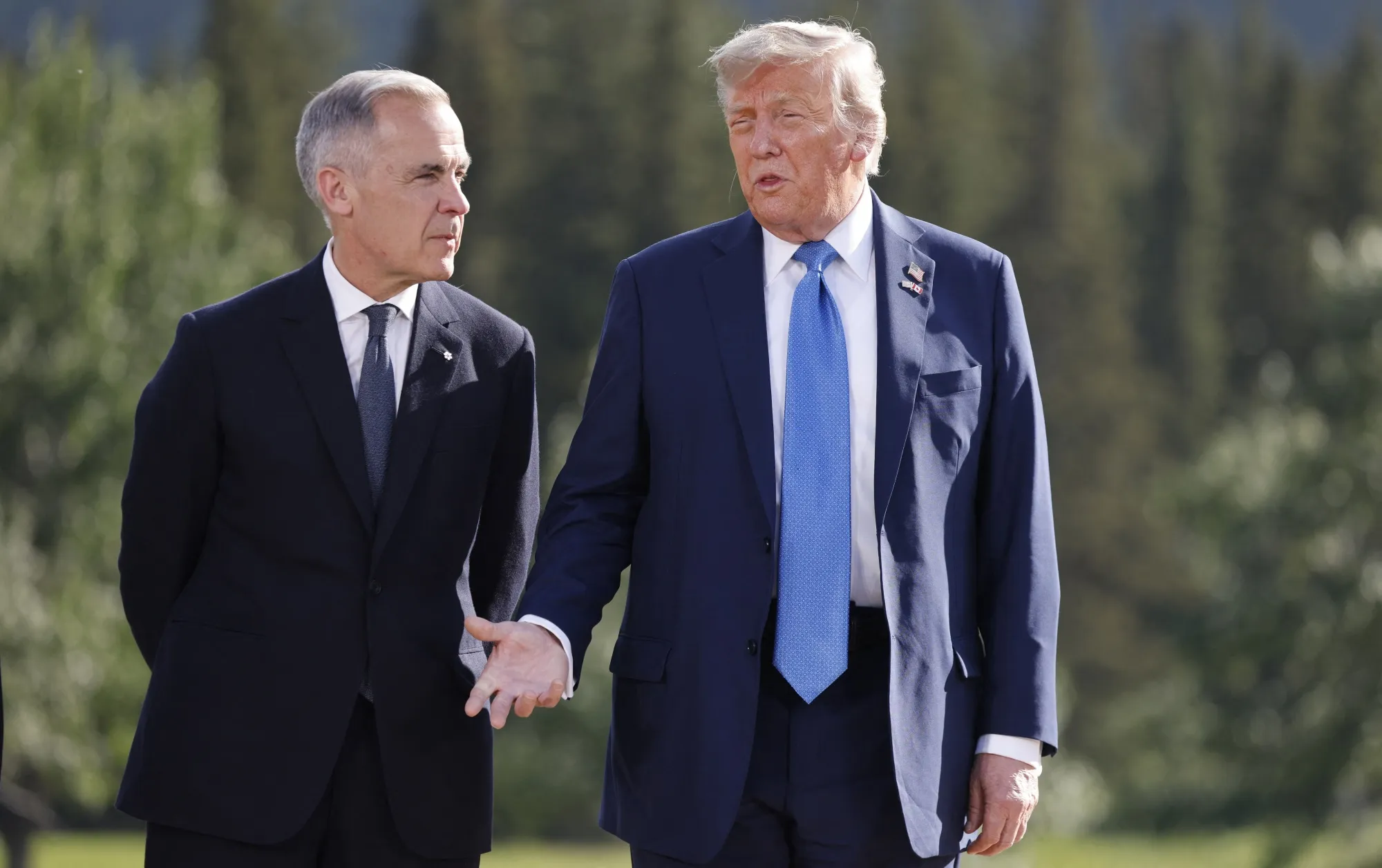
The geopolitical implications of this shift are profound. As the U.S. under President Donald Trump has adopted a protectionist stance, imposing tariffs that have strained trade relationships, Canada is actively seeking to diversify its alliances. The tariffs, which have disrupted trade worth over $120 billion annually, have prompted Ottawa to explore partnerships in Asia, where countries like South Korea and Japan are eager to collaborate without the political baggage that often accompanies American deals.
Carney’s visit highlights a growing trend among middle powers to forge their own paths, unencumbered by the historical dominance of the U.S. in North American industry. The contrast between Carney’s proactive engagement in South Korea and Trump’s focus on enforcing American terms underscores a fracture in the traditional Western order. While Trump seeks to tighten economic control through tariffs, Canada is laying the groundwork for a more independent and collaborative future.
The ramifications of this decision extend beyond military procurement. Should the submarine deal materialize, it could create thousands of jobs and invigorate Canada’s domestic defense manufacturing sector. This move not only redefines Canada’s industrial strategy but also sends a clear message: Ottawa is reclaiming control over its economic future and is willing to engage with global partners on its own terms.
As the global landscape continues to evolve, Canada’s decision to cut the U.S. out of this submarine deal represents a critical juncture. It signifies a shift towards independence and innovation, as Canada seeks to build new supply chains and alliances in Asia. While the U.S. builds barriers, Canada is forging bridges, positioning itself as a resilient player in a rapidly changing geopolitical environment. The submarine project is not merely about enhancing naval capabilities; it is a testament to a nation ready to chart its own course in the face of external pressures.






