It wasn’t a shouting match. It was colder than that—because Mélanie Joly didn’t sound angry. She sounded finished with the old rules.
In a pointed new interview that’s ricocheting through Canadian politics, Joly—now Canada’s Minister of Industry after a major cabinet shake-up under Prime Minister Mark Carney—delivered a message that lands like a line in the sand: Canada is done acting like it has to audition for respect in Washington.
The stakes are simple and brutal. Canada’s auto sector is a jobs engine—and one of the easiest targets when U.S. politics turns into tariff theater. Joly didn’t dress it up. She framed it as a worker-and-supply-chain reality: protect the jobs, protect the sector, and stop letting “unpredictable signals” from the U.S. dictate Canada’s industrial future.
And then she went one step further—quietly flipping the map.
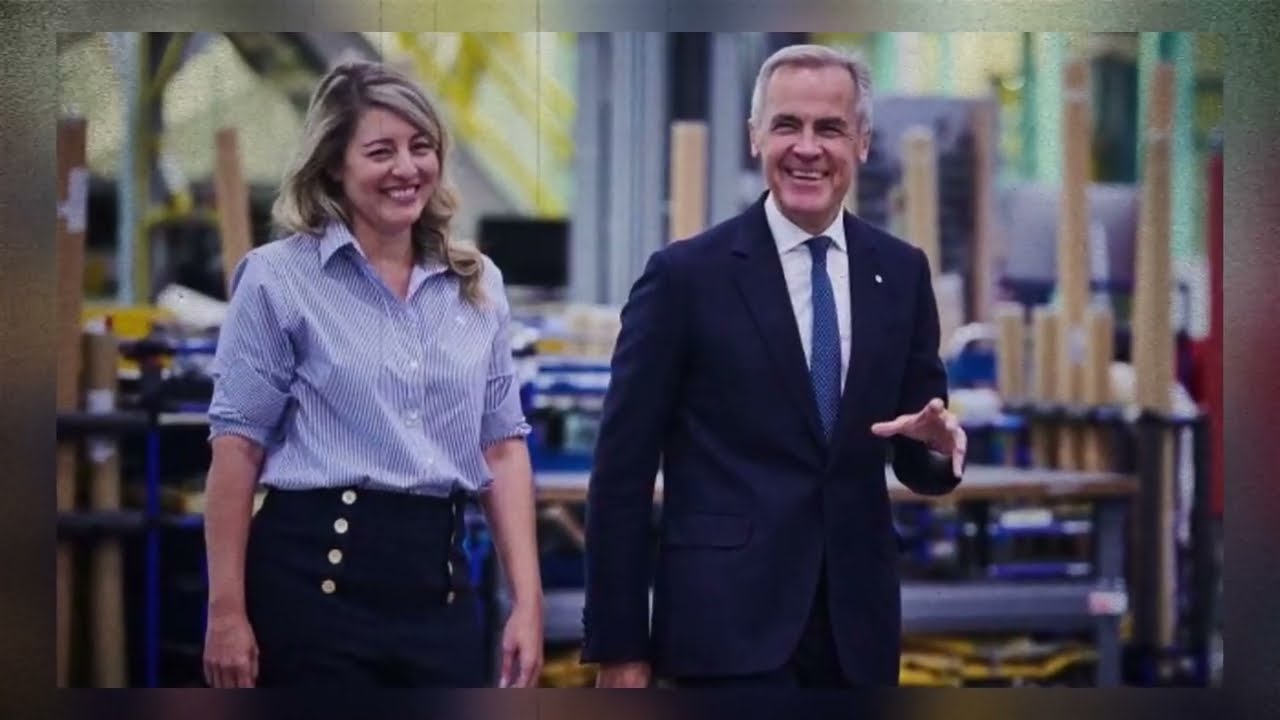
Instead of centering every strategy on Washington, Joly highlighted a pivot toward partners that actually build cars in Canada in massive numbers: Japan’s Honda and Toyota. She indicated she intends to engage directly with senior leadership—an unmistakable signal that Ottawa is widening the negotiating table on purpose. If the U.S. wants to slam doors, Canada is practicing new exits.
This matters because it’s not just diplomacy—it’s leverage.
Carney’s government has openly framed the current moment as a reset of Canada’s economic posture in response to U.S. pressure, with cabinet roles reshuffled to handle trade conflict and to reduce reliance on a single partner. In that context, Joly’s tone isn’t a random flare-up—it reads like a coordinated strategy: job protection at home, diversification abroad, and a longer memory about who treats allies like disposable suppliers.
What makes it feel different—what’s making workers in places like Windsor and Oshawa pay attention—is the absence of pleading. Joly isn’t asking the U.S. to “be fair.” She’s talking like Canada is building an industrial fallback plan in real time: more domestic capacity, more global partnerships, and fewer points of vulnerability that can be exploited with a headline-grabbing tariff threat.
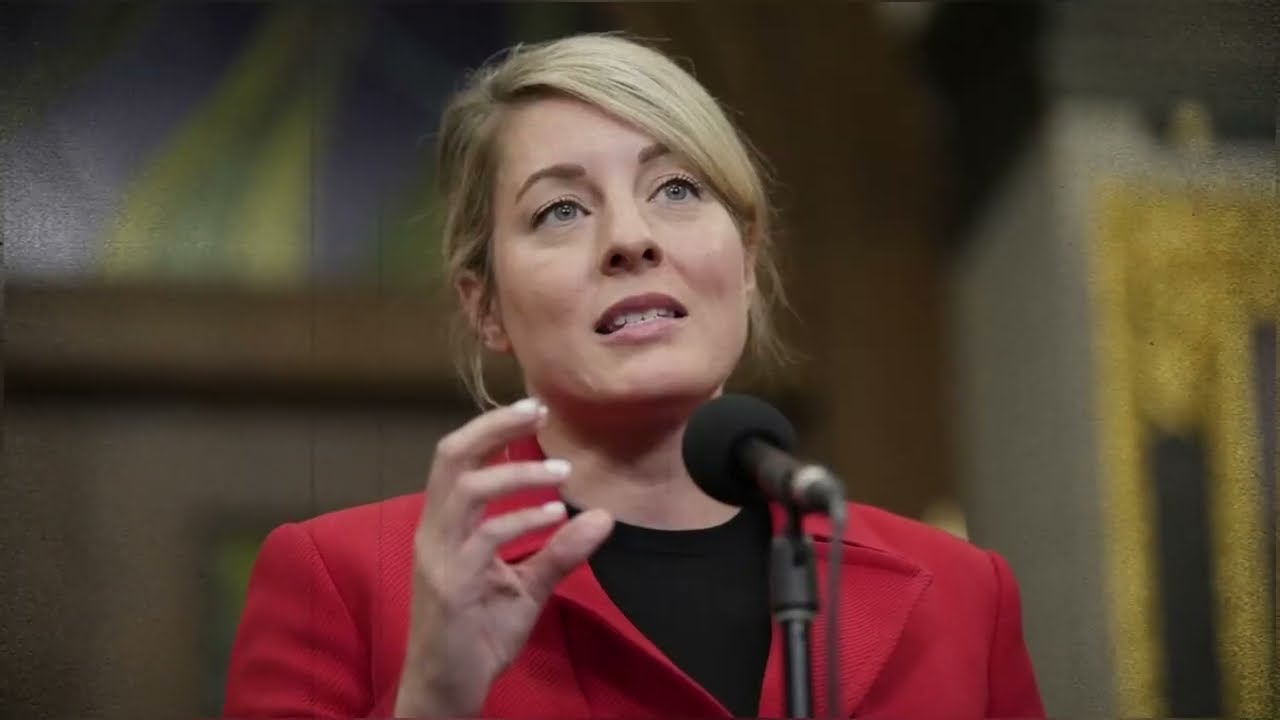
She also broadened the frame beyond autos. In the interview, she tied the auto fight to a wider industrial shield—steel, aluminum, lumber, and strategic resources—sectors that get hit first and hardest when trade turns political. The message wasn’t subtle: if pressure comes, Canada is preparing to absorb it and reroute around it.
That’s where the Japan move becomes more than symbolism.
If Canada deepens ties with global automakers that already operate huge footprints inside the country, it doesn’t just protect current jobs—it changes who Canada can turn to when the next round of U.S. threats hits. Supply chains don’t rewire overnight, but once they do, they don’t snap back easily either.

And that’s the real warning embedded in Joly’s calm delivery: Ottawa isn’t just negotiating this quarter’s crisis—it’s trying to make sure the next one can’t hold Canada hostage.
Because if Canada succeeds at building alternatives—real alternatives—the U.S. doesn’t just lose a bargaining chip. It loses the assumption that Canada will always come back, no matter what gets said or threatened.
And that’s the part Washington may not realize yet… until the first big investment announcement lands somewhere far away from the Beltway.






