Planes still touch down at JFK and LAX every hour. Hotel lights still glow along the Las Vegas Strip. Times Square still flickers through the night, crowded with billboards and noise. On the surface, American tourism looks intact — busy, loud, alive.
But behind the bright skyline, something fundamental has quietly broken.
New data now reveals a troubling reality: while global tourism is surging almost everywhere else, the United States is falling behind. International arrivals are slipping. Visitor spending is down by billions. And in cities once defined by foreign crowds, the absence is becoming noticeable — not in dramatic collapse, but in empty spaces where energy used to be.
This is not a recession story. It’s not a pandemic hangover. It’s something deeper.
A World Traveling Again — Without America
Across Europe and Asia, tourism has roared back. Japan is reporting record-breaking international arrivals. Canada’s visitor numbers are climbing steadily. Australia, once isolated, is seeing strong rebounds from Asia and Europe alike.
Meanwhile, the United States is experiencing the opposite trend.
Industry analysts say international visits to the U.S. have stalled or declined, even as global travel demand reaches historic highs. Spending by foreign visitors — traditionally one of the most lucrative segments of the tourism economy — has dropped sharply, creating gaps that domestic travel alone cannot fill.
“People are traveling,” said one global tourism economist. “They’re just choosing not to come here.”
The Quiet Shift in Traveler Behavior
The change didn’t happen overnight. It unfolded quietly, decision by decision.
Families who once dreamed of Disney World are booking Tokyo instead. Couples who planned honeymoons in New York are choosing Paris or Toronto. Group tours that used to center on California or Florida are rerouting to Southeast Asia.
Travel agents say the shift often happens at the planning stage. When travelers compare destinations, the U.S. increasingly loses — not because it lacks attractions, but because it feels harder, costlier, and more uncertain.
“It’s no longer the default choice,” said a European tour operator. “That’s the big change.”
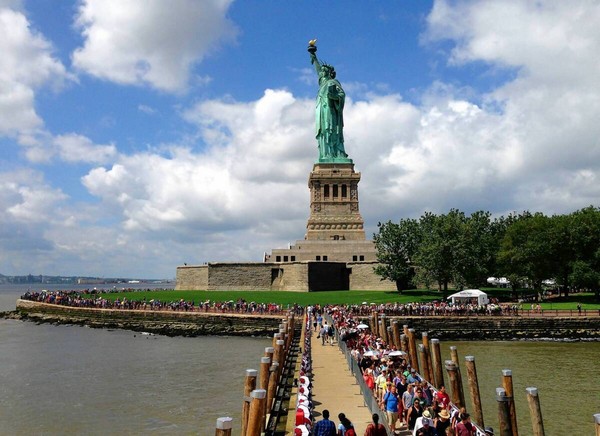
More Than Money
At first glance, cost seems like the obvious culprit. Flights to the U.S. are expensive. Hotels in major cities are costly. Visa fees and processing charges add up quickly.
But insiders say money is only part of the story.
What travelers increasingly cite is friction: long visa waits, confusing rules, unpredictable processing times, and a sense that entering the U.S. has become a bureaucratic obstacle course.
In contrast, other destinations have streamlined entry, digitized processes, and actively courted visitors.
“When people feel unwelcome or uncertain, they go elsewhere,” said one travel strategist. “That’s human nature.”
Cities Feel the Absence First
In New York, hotel managers report softer international bookings than expected. In Las Vegas, shows still run, but audience composition has shifted. In Orlando, international tour groups — once a staple — are thinner.
The effect ripples outward.
Restaurants near attractions see fewer high-spending foreign customers. Retail districts miss international shoppers. Tour guides, drivers, and hospitality workers feel the slowdown before it shows up in official data.
“It’s not empty streets,” said one hotel executive. “It’s missing layers of demand.”
Billions at Stake
International tourists spend more per trip than domestic travelers, stay longer, and fuel local tax revenues. When they disappear, city budgets feel the impact.
Tourism taxes fund public transit, cultural institutions, convention centers, and city services. As international spending drops, officials quietly revise forecasts and delay projects.
Several city leaders now warn that the long-term cost could reach into the tens of billions if the trend continues.
“This isn’t about one bad season,” said one municipal official. “It’s about losing relevance.”
A Status Problem
Perhaps the most alarming shift isn’t economic — it’s symbolic.
For decades, the United States was the world’s default “must-see” destination. Even travelers who disliked American politics still wanted to experience New York, Los Angeles, or the Grand Canyon.
That assumption no longer holds.
For the first time in a generation, the U.S. is being compared — and often losing — in the global tourism marketplace.
“It’s a brand issue,” said one global marketing consultant. “And brands can fade faster than governments realize.”
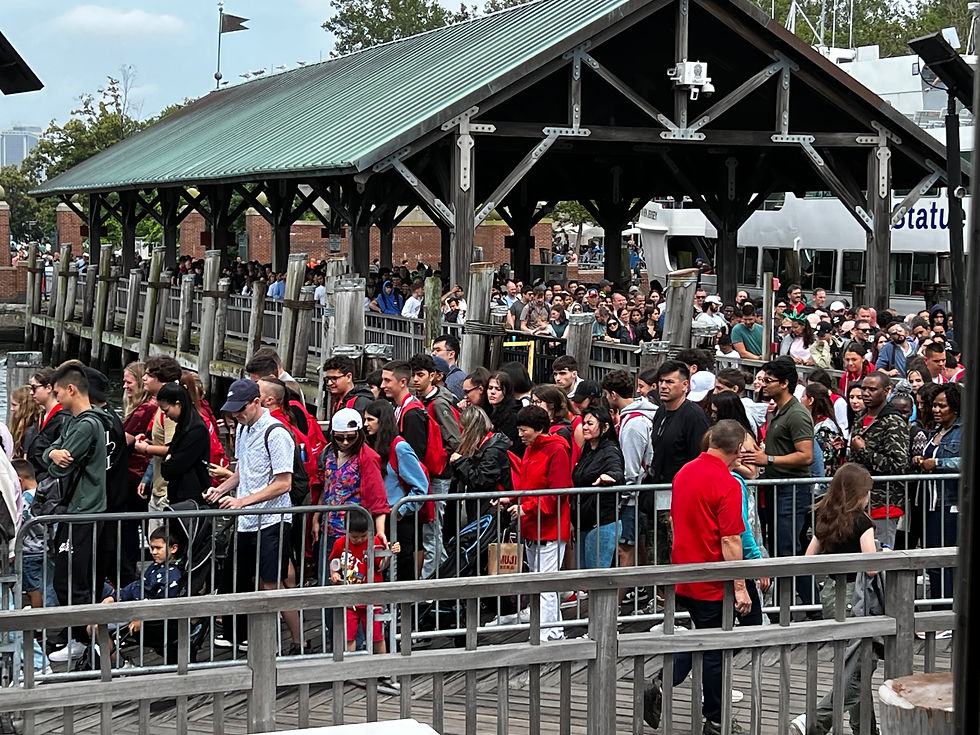
Policy Meets Perception
Visa fees, processing delays, and administrative hurdles have become flashpoints in the debate. Critics argue that even small policy changes can trigger large psychological effects when travelers already feel uncertain.
Supporters counter that security and administrative costs must be funded, and that America remains a premium destination.
But travelers don’t parse policy memos. They react to experience.
And increasingly, the experience of planning a U.S. trip feels complicated, expensive, and unpredictable.
The Unspoken Risk
Tourism experts warn that once habits change, they are hard to reverse. Travelers who build new routines — new favorite destinations, new travel routes — may not return quickly.
Younger travelers, in particular, are forming impressions now that could shape travel patterns for decades.
“If a generation grows up seeing the U.S. as optional instead of essential, that’s a long-term loss,” said one analyst.
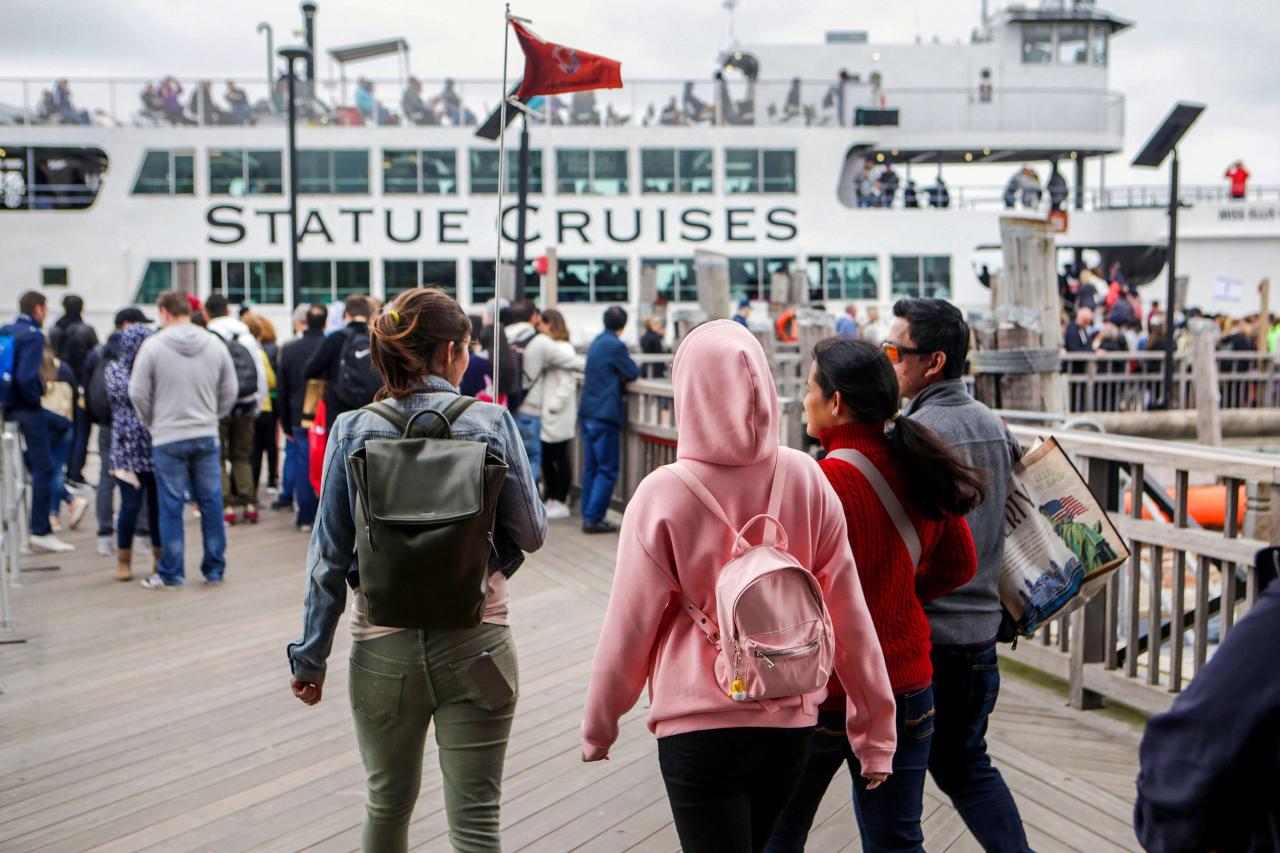
What Comes Next
Airports remain busy. Hotels remain open. The lights still shine.
But beneath the surface, the U.S. tourism engine is running less smoothly than it appears.
Industry leaders are calling for streamlined entry processes, clearer messaging, and a renewed effort to compete — not assume — global demand.
Because in a world where travelers have more choices than ever, prestige alone is no longer enough.
The planes may still be landing. The skyline may still glow.
But unless something changes, the crowds that once defined American tourism may continue choosing somewhere else — quietly, deliberately, and for reasons that go far beyond airfare.