ICE, Minneapolis, and the Question of Federal Power Under Trump
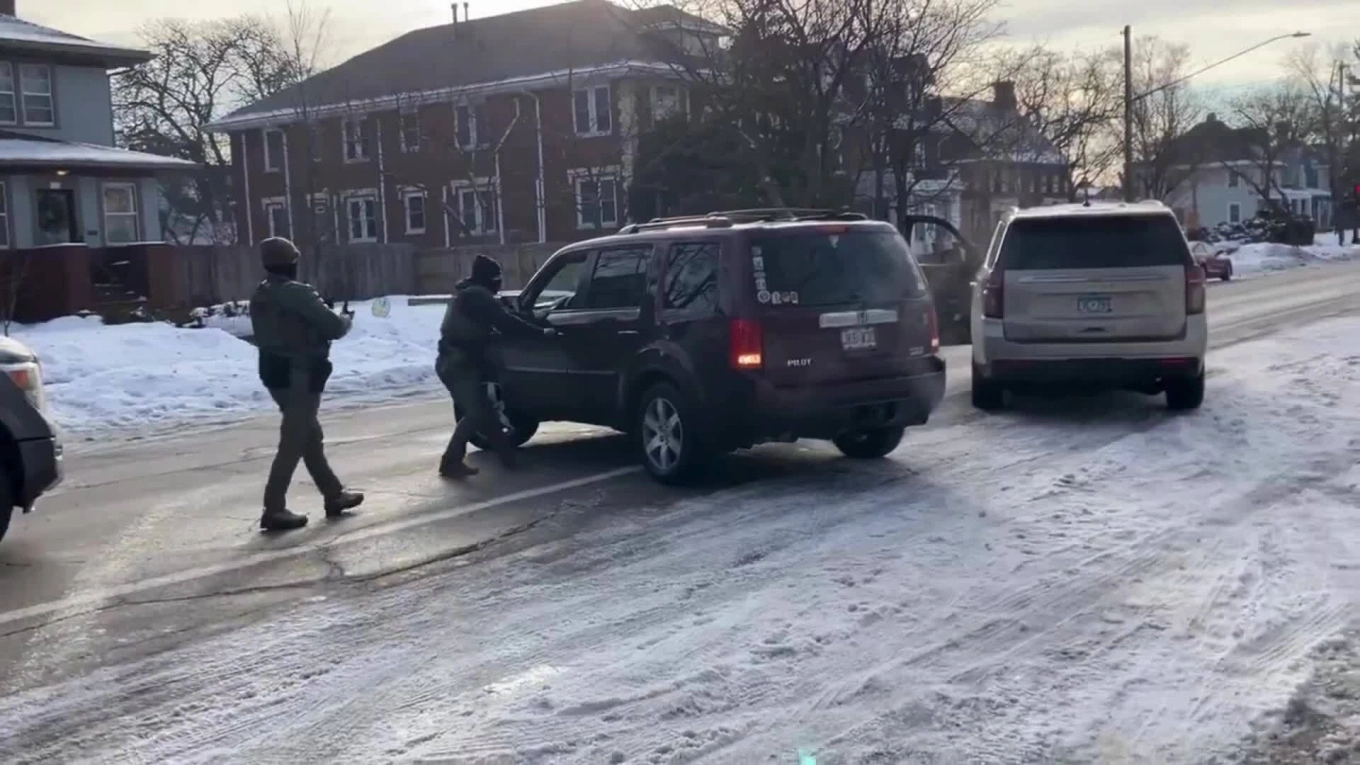
Minneapolis, Minnesota — A video less than two minutes long, circulating widely on American social media within hours, has ignited a far-reaching political and legal debate over the power of federal law-enforcement agencies, the role of ICE in American cities, and the Trump administration’s expansive use of “security” and “terrorism” to justify deadly force.
The footage, first shared on X (formerly Twitter) and later verified by major news organizations including The Associated Press, CNN, and MSNBC, shows a woman sitting in her car in South Minneapolis as ICE agents approach. There is no visible indication that she was armed, participating in a protest, or attempting to attack anyone. Within seconds of a tense encounter, gunshots are fired. The woman is killed at the scene.
The victim’s identity had not been officially released at the time of publication, but local officials confirmed that she was a United States citizen and the mother of a young child. The images captured in the video — the screaming, the confusion, and the desperate cry of “What the hell are you doing?” — have stunned viewers across the country.
A Familiar White House Response
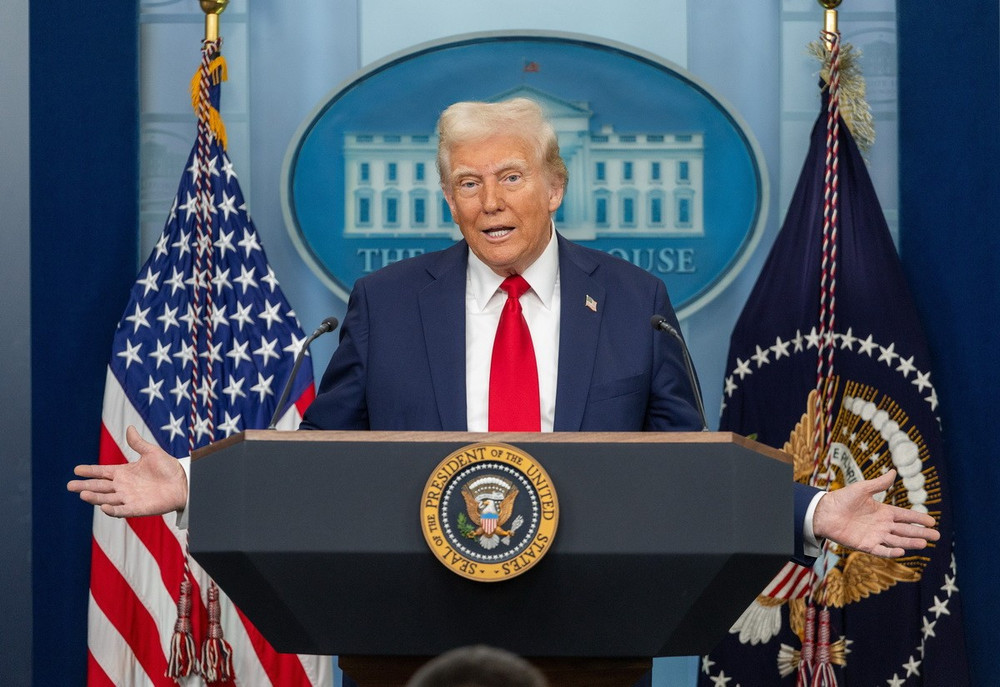
President Donald Trump quickly defended the ICE agents’ actions, asserting that the shooting was justified and suggesting the woman was connected to what he described as “domestic terrorism.” Those claims were swiftly challenged by Minneapolis city officials, Democratic lawmakers, and even some Republicans.
The Department of Homeland Security initially claimed that the woman had attempted to run over an ICE officer and that the officer was seriously injured. But additional videos posted by local residents — and analyzed by major media outlets — appear to show the officer standing and walking normally for several minutes after the shooting, with no visible signs of medical distress.
The contradiction between official statements and publicly available footage has fueled accusations of misrepresentation and cover-up, a pattern that critics say has become increasingly common in law-enforcement controversies during the Trump presidency.
ICE in America’s Cities
Speaking on national television, Senate Democratic Leader Chuck Schumer was blunt: “We should not have ICE agents patrolling the streets of our cities. They are not trained for this. They are not wanted. And they are creating chaos — and even death.”
The mayor of Minneapolis has previously objected to ICE operations in the city, echoing opposition from other local leaders nationwide. Nevertheless, the federal government has repeatedly overridden such objections, citing federal authority and national security concerns.
Over the past year, funding for ICE and the Department of Homeland Security has increased sharply, even as social programs have faced cuts. Civil-rights groups and former law-enforcement officials warn that ICE is increasingly operating as a paramilitary force, with vague rules of engagement and weak oversight.
“Terrorism” as an Elastic Justification
What troubles many analysts is not only the shooting itself, but the administration’s broad and flexible use of the term “terrorism.”
In the same week, the Trump administration invoked counterterrorism to justify:
- military action in Venezuela,
- expanded U.S. involvement in that country’s oil industry,
- and now, lethal force on the streets of Minneapolis.
According to foreign-policy experts, the administration initially described the Venezuela operation as a limited law-enforcement action. It has since escalated its rhetoric, discussing a multi-year presence, billions in expenditures, and direct U.S. control over oil exports — a clear expansion of mission.
“This is not an administration with a coherent strategy,” a former State Department official told the Associated Press. “This is policy driven by social media and the news cycle.”
A Crisis of Trust in Institutions
One of the most serious consequences of the Minneapolis shooting is the erosion of public trust in federal oversight institutions, including the FBI. When asked whether he trusted the FBI to independently oversee the investigation, Senator Schumer answered simply: “No.”
While acknowledging that many career officials remain non-political civil servants, Schumer argued that key agencies have been reshaped into political “attack dogs” for the president. Long-standing norms — upheld by presidents of both parties for decades — are rapidly unraveling, he said.
Political Consequences and a Warning Shot
The incident has quickly become central to debates in Congress over the Department of Homeland Security’s budget. Senator Chris Murphy has urged Democrats to oppose any funding package that does not impose meaningful constraints on what he described as ICE’s growing lawlessness.
More broadly, political strategists see the Minneapolis shooting as a potential turning point. The victim was a white American citizen, a mother of a young child — a profile that makes indifference politically difficult, even for conservative lawmakers.
“This is no longer an abstract immigration debate,” one Democratic strategist said. “This is about state power and the value of American lives.”
A Defining Moment
Against a backdrop of rising living costs, escalating foreign entanglements, and declining faith in democratic institutions, the Minneapolis shooting may come to symbolize a larger national reckoning: What does security mean, and at what cost?
The answer will not be determined solely by investigations or court proceedings, but at the ballot box — where voters will decide whether to accept a politics rooted in fear, or demand accountability, transparency, and clear limits on state power.