New York — A segment on “Jimmy Kimmel Live!” set off a fresh wave of online controversy this week after the host joked about what he described, tongue firmly in cheek, as a “sealed” high school IQ score belonging to former President Donald J. Trump. Within minutes of the broadcast, the clip ricocheted across social media, prompting a mix of laughter, outrage, and confusion over whether the moment was satire, provocation, or something else entirely.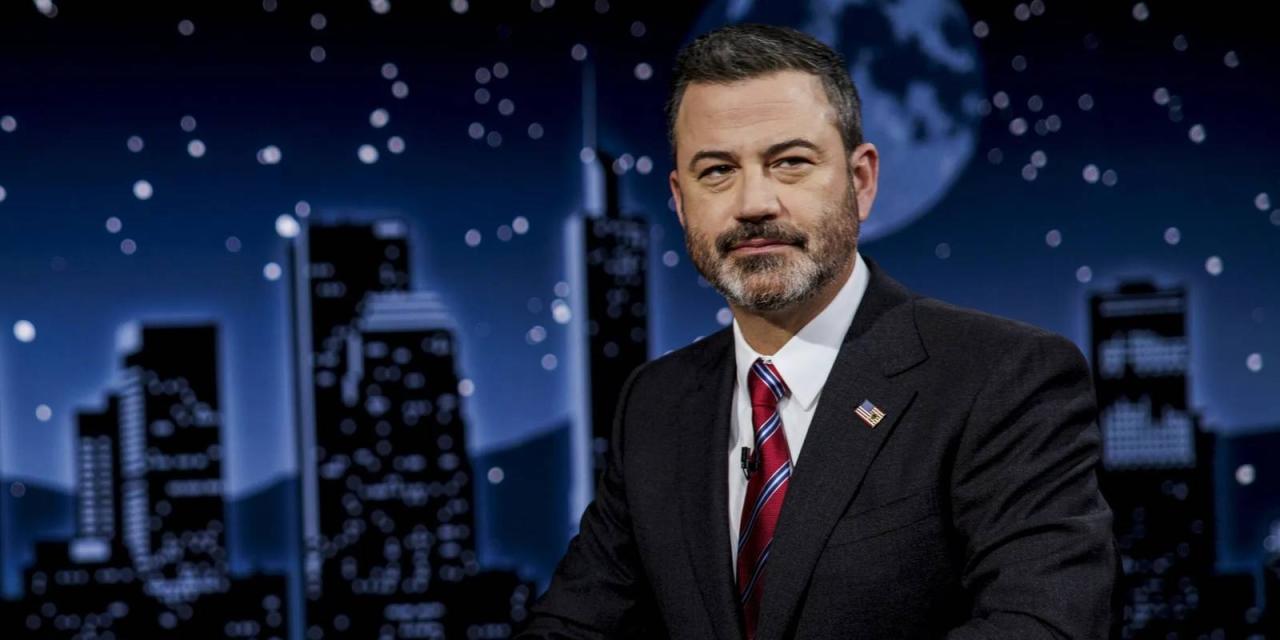
The segment unfolded with deliberate restraint. Mr. Kimmel introduced the bit as a “hypothetical discovery,” then displayed a mock graphic on screen while pausing to let the audience absorb the premise. The studio fell briefly quiet before laughter erupted — a reaction that reflected the familiar late-night formula of deadpan delivery followed by release.
“I didn’t make this up,” Mr. Kimmel said, drawing out the moment before adding a qualifier that suggested the joke’s absurdity. The line drew applause and underscored what the show later described as a comedic riff, not a factual disclosure.
There is no public record of any high school IQ score for Mr. Trump, nor is there evidence that such records exist or were ever “sealed.” Intelligence testing in American high schools has never been standardized in a way that would produce a single, authoritative score comparable across decades, a point noted by psychologists and education historians after the clip went viral.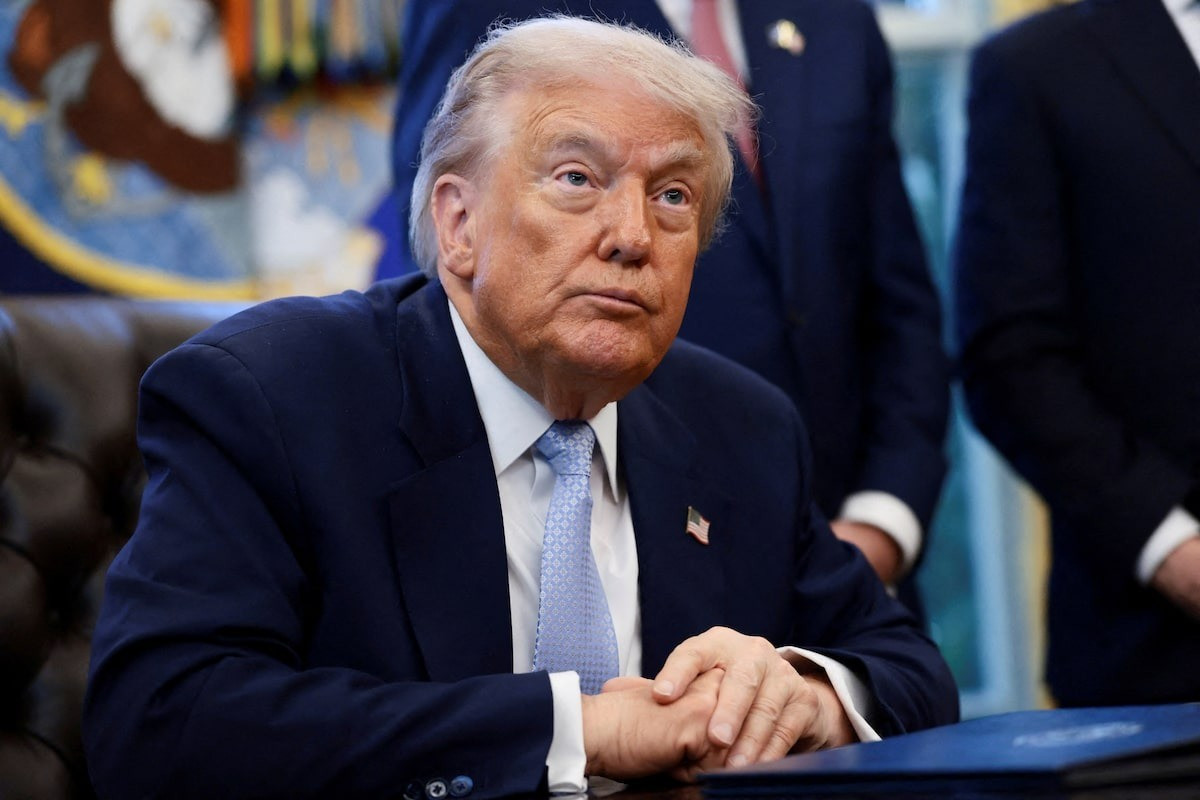
Still, the segment touched a nerve. Mr. Trump, who has long bristled at personal mockery and has repeatedly described himself as “very smart,” has a history of responding forcefully to perceived slights from comedians and television hosts. While he made no immediate public comment about the joke, several people familiar with conversations among his associates said the former president viewed the segment as a personal attack rather than satire.
A spokesman for Mr. Trump did not respond to requests for comment. Representatives for ABC and “Jimmy Kimmel Live!” declined to elaborate, pointing instead to the show’s longstanding use of parody and exaggeration.
Media scholars say the episode illustrates how late-night comedy operates in an era when short clips are often stripped of context and consumed as political content. “The joke itself was clearly constructed as satire,” said Daniel Harper, a professor of media ethics at New York University. “But once it leaves the broadcast and circulates online, the cues that signal ‘this is a joke’ can disappear.”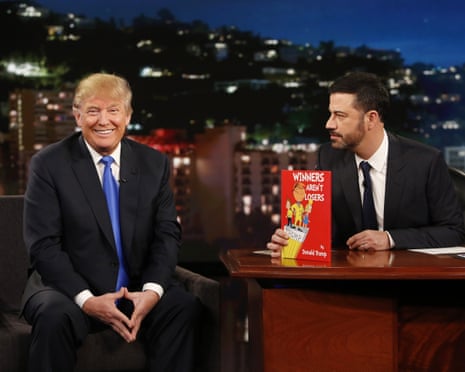
That dynamic has become increasingly common as late-night shows rely on viral reach as much as traditional ratings. A few minutes of television can generate millions of views online, where audiences with sharply divided political loyalties interpret the same material in radically different ways.
Supporters of Mr. Kimmel argued that the segment mocked not intelligence itself but the culture of secrecy and self-aggrandizement that often surrounds powerful figures. Critics countered that joking about cognitive ability, even satirically, risks reinforcing stigmas and blurring ethical lines.
The moment also fits into a longer pattern of friction between Mr. Trump and late-night hosts. During his presidency and after, comedians including Mr. Kimmel, Stephen Colbert, and Seth Meyers made him a central figure in their monologues, while Mr. Trump frequently responded by attacking the media and entertainers he viewed as hostile.
Whether this latest episode will have lasting consequences is unclear. Viral outrage tends to burn hot and fade quickly. But for a brief period, a mock graphic, a carefully timed pause, and a late-night punchline once again demonstrated how comedy, politics, and perception collide — and how easily satire can be mistaken, deliberately or not, for something more literal in a polarized media landscape.






