In the context of intensifying global competition for natural resources, Canada is gradually strengthening oversight and management of several critical minerals — particularly those that play a key role in U.S. industries. This shift is drawing increasing attention in Washington, as long-standing assumptions about easy access to Canadian mineral supplies are beginning to change.
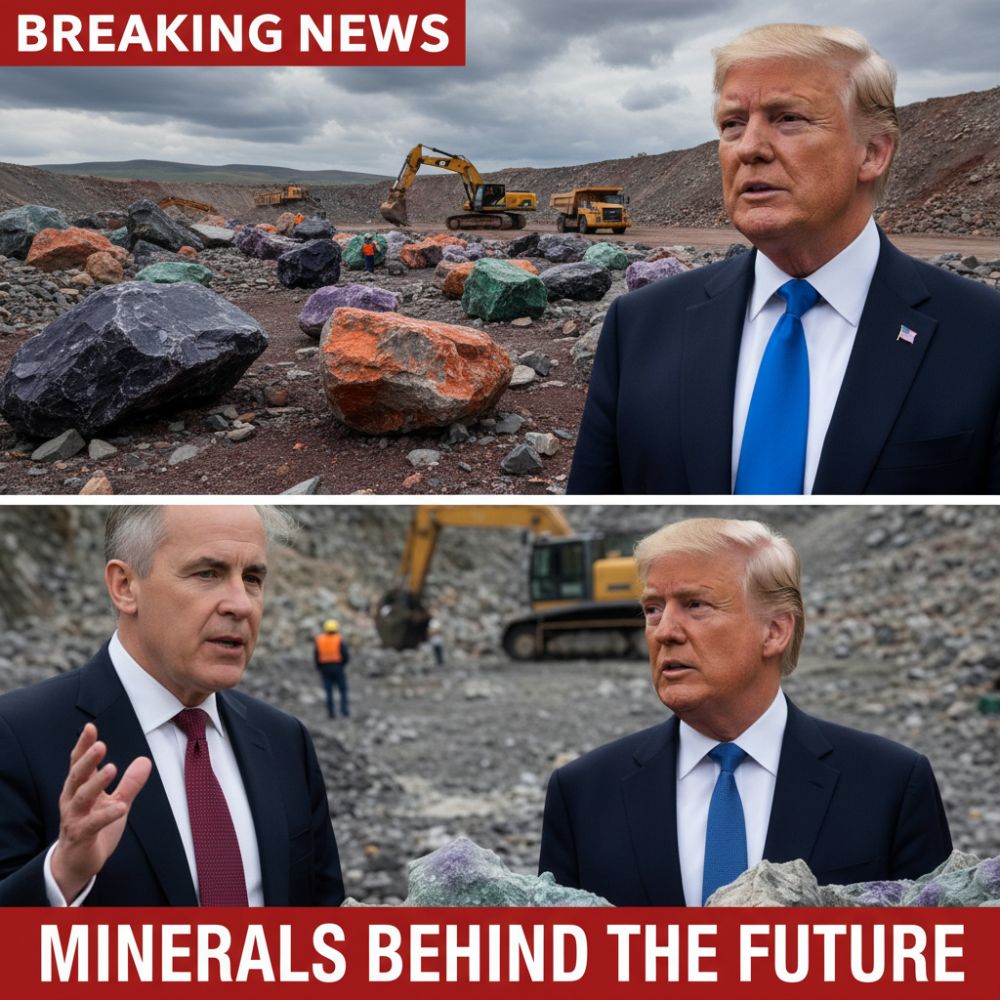
For decades, the economic relationship between the United States and Canada has been built on deep cooperation, especially in natural resources. American companies have long viewed Canada’s lithium, nickel, and rare earth elements as a stable and reliable part of the regional supply chain. However, recent changes in Ottawa’s resource policies suggest that Canada is beginning to approach this sector with a more strategic and long-term perspective.
Lithium, nickel, and rare earth minerals are now central to the global transition toward clean energy and advanced technology. Lithium is a key component in manufacturing batteries for electric vehicles and energy storage systems. Nickel helps improve battery efficiency and durability, while rare earth elements are essential for electronics, defense technologies, and artificial intelligence applications. As global demand for these minerals continues to rise rapidly, many countries are increasingly treating them as strategic assets rather than ordinary trade commodities.
Canada, with its abundant mineral reserves and well-developed mining sector, is leveraging this advantage to shape its role in global supply chains. The Canadian government has introduced policies aimed at strengthening oversight of foreign investment in resource extraction, while also promoting long-term supply agreements with partners in Europe and Asia. These efforts are designed not only to diversify export markets but also to strengthen Canada’s position in rapidly expanding high-technology industries.
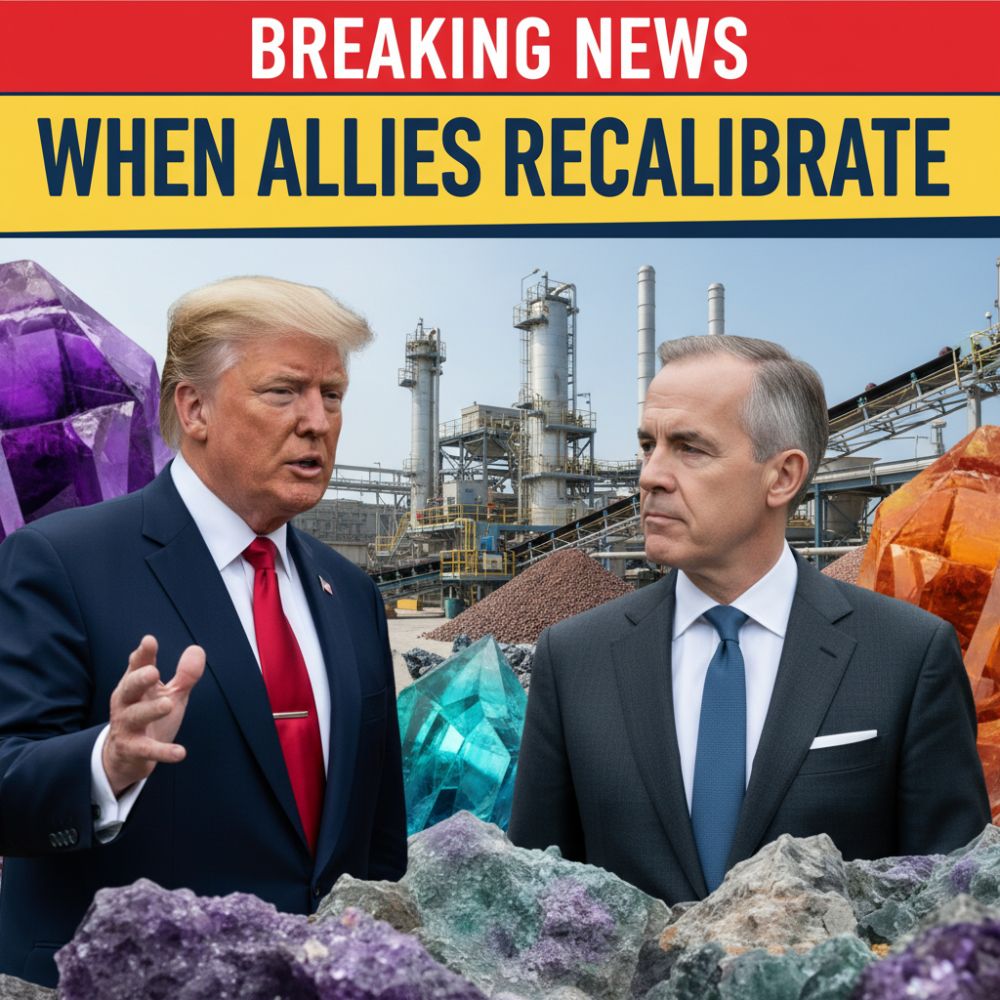
For the United States, this transition presents both opportunities and challenges. On one hand, the long-standing partnership between the two countries remains a critical foundation for maintaining stability in North American supply chains. On the other hand, Canada’s more strategic approach to resource management could require American companies to reassess investment strategies and diversify supply sources over the long term. This is particularly significant as the United States accelerates efforts to expand renewable energy programs, modernize defense capabilities, and strengthen artificial intelligence development.
Experts suggest that this trend reflects a broader global shift in how nations manage strategic resources. Rather than focusing solely on extraction and export, many governments are prioritizing the development of domestic value chains, advancing high-technology manufacturing, and strengthening economic security. Canada is not alone in pursuing this strategy, but its geographic position and close economic relationship with the United States mean that any change in Ottawa’s resource policy carries notable regional and international implications.
Looking ahead, the evolution of strategic mineral supply chains may depend heavily on the level of cooperation among allied nations, as well as their ability to balance economic interests with national security priorities. U.S.–Canada relations have long been considered one of the most stable trade partnerships in the world, and many analysts believe both countries will continue working toward collaborative solutions that support shared economic goals.
At the same time, the global role of natural resources in geopolitics and economic development is rapidly evolving. Canada’s recent actions suggest that natural resources are not only a foundation for economic growth but also an increasingly important pillar of long-term national strategy. The key question is whether this transition will lead to deeper North American cooperation or encourage countries to recalibrate competitive strategies as the world moves into a new era shaped by technological innovation and clean energy transformation.