WAR CRIME OR WARTIME NECESSITY? HEGSETH’S ‘LETHAL’ ORDER ON STRANDED SAILORS IGNITES CONGRESSIONAL FIRESTORM
The very foundations of America’s military code of conduct are being violently shaken by explosive reports concerning an operation ordered by Defense Secretary Pete Hegseth, an event that critics charge constitutes a war crime against defenseless individuals. What began as a series of aggressive military strikes on alleged “narco-terrorist” vessels in the Caribbean has now erupted into a full-blown crisis demanding Congressional intervention, following accounts that a Special Forces team executed a second, decisive airstrike aimed at eliminating two survivors clinging to their sinking ship after the initial missile attack.
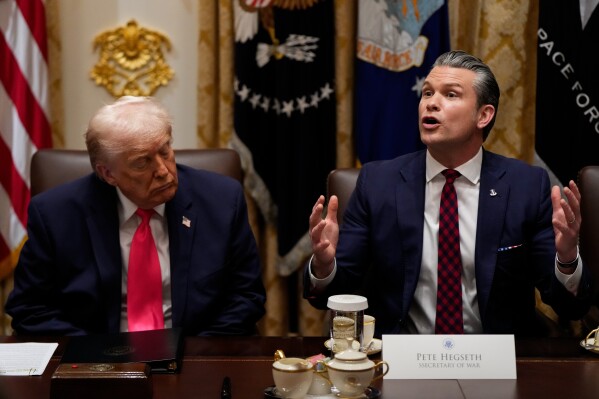
This sensational allegation is not merely fueling a partisan political fight—it is pitting Republican against Republican, and the Senate leadership is demanding immediate, unsparing accountability.
The Bipartisan Hammer Drops
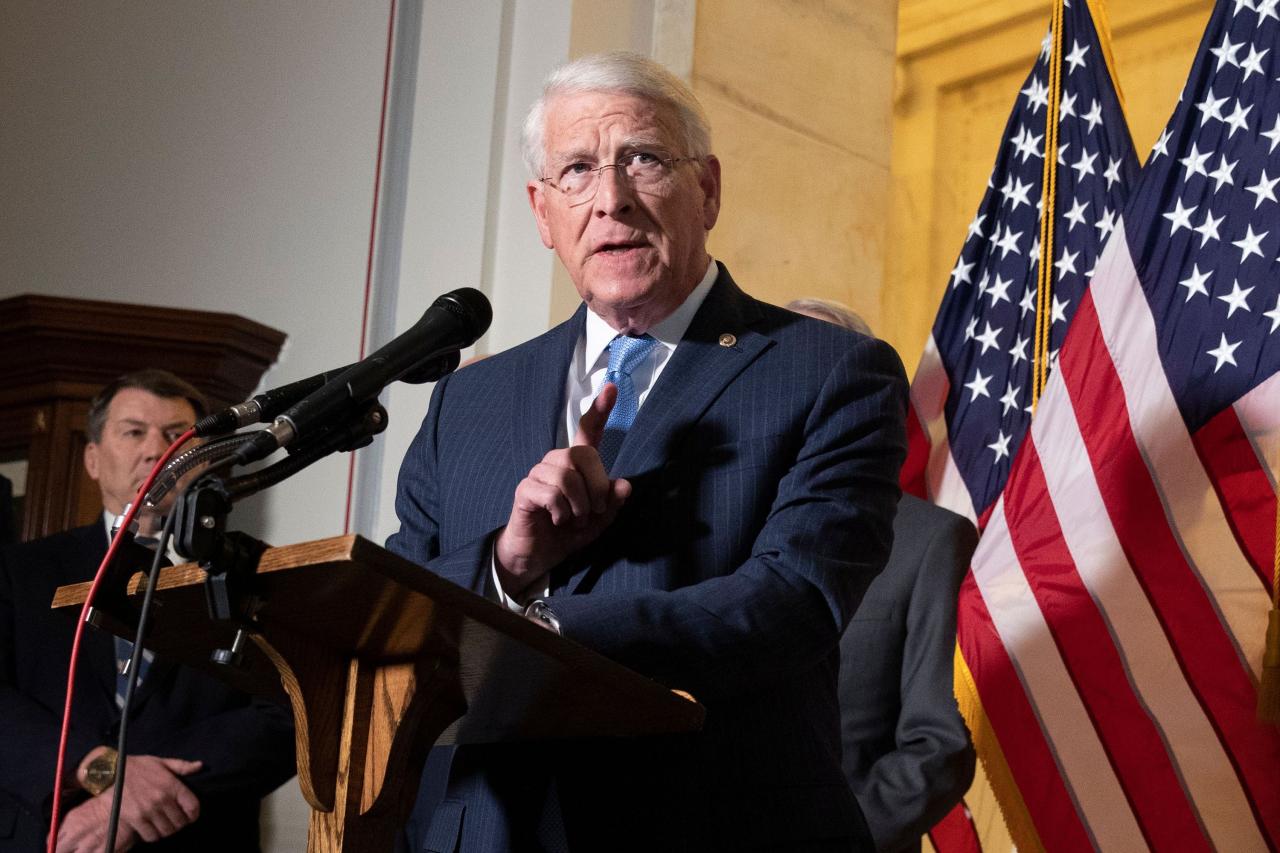
In a powerful, united front that signals the gravity of the charges, the Chairman of the Senate Armed Services Committee (SASC), Republican Senator Roger Wicker of Mississippi, issued a joint declaration with the committee’s ranking Democrat, Senator Jack Reed of Rhode Island. The declaration confirmed that the SASC had directed formal inquiries to the Pentagon and promised “vigorous oversight” of the chilling reports.
The unprecedented move by the powerful committee’s top two members is a direct rebuke to Defense Secretary Hegseth, who has tried to neutralize the story by defiantly dismissing the initial reporting as “fake news.” The formal inquiry shows, unequivocally, that even prominent Senate Republicans do not believe it is fake news – and they are tired of his murderous disrespect for the law.
The central controversy revolves around the principle of protecting persons hors de combat—the military term for those who are “out of combat” or defenseless, such as the shipwrecked. The targeting of such individuals is a clear violation of the international treaties governing armed conflict, specifically the Geneva Convention, and is strictly prohibited under maritime law.
Experts have stated clearly that Killing helpless sailors is a violation of the Geneva Convention and maritime law. What the Trump admin did is 100% illegal, and Hegseth knows it.
A “Murderous Disrespect” for the Law
The accusations against the Defense Secretary suggest a deeply troubling philosophy at the top of the military chain of command—one that favors ruthless, overwhelming lethal force over long-standing legal boundaries. This mindset has drawn ferocious condemnation from both sides of the political aisle.
Senator Chris Murphy (D-CT) weighed in with a devastating critique on social media, linking Hegseth’s defensive posture directly to a consciousness of guilt.
“If you want to know why Hegseth is panicking about reminders that there is accountably for giving or carrying out illegal orders, it’s likely because he knows he has given illegal orders to murder people,” remarked Sen. Chris Murphy on Twitter.
This quote encapsulates the heart of the current crisis: the potential for illegal orders to have been both given and executed in a desperate, uncompromising push to eliminate all threats, real or perceived.
The scrutiny is not limited to the one specific incident. It extends to the entire, highly aggressive series of anti-narcotics strikes carried out in the Caribbean under the Trump administration. Leading the charge on the Republican side against these broad operations is Senator Rand Paul (R-KY), a figure known for his independent, libertarian stance on foreign policy and military intervention.
Senator Paul has expressed his profound anger at Hegseth and Trump’s attacks on alleged “drug running boats” in the Caribbean, calling them “extrajudicial killings” comparable to executions without trial in regimes like China and Iran. The comparison to authoritarian states that bypass the rule of law to summarily execute suspected criminals is a damning indictment, suggesting that the United States military is operating outside the accepted norms of international justice and accountability.
The ‘Lethal, Kinetic’ Mindset
Defense Secretary Hegseth’s past rhetoric and public statements have only intensified the debate, giving critics ammunition to claim that the alleged illegal order is consistent with his own self-professed “warfighter” philosophy. The source material emphasizes that these are very serious accusations against Hegseth that he has all but confessed to in his vehement speeches demanding that the US military be more violent and lethal in its approach.
Hegseth has long championed the idea of “unleashing” American fighting forces, expressing disdain for what he and his allies term “politically correct” or overly restrictive rules of engagement. His public dismissal of the reports as fabricated is coupled with a defense of the overall campaign as necessary to combat “narco-terrorists” and protect the homeland.
However, the Pentagon’s own Law of War Manual appears to contradict the alleged actions. While the administration insists it is operating under a unique set of circumstances—an undeclared, non-international armed conflict against “narco-terrorists”—legal scholars and former military lawyers have argued that the intentional killing of a person who is shipwrecked at sea is a war crime or murder, regardless of the initial context.

The question facing Congress is not just whether the reports are true, but what kind of message such a lethal operation sends to the world—and to the soldiers tasked with carrying out orders. The source material warns that he must be held accountable for every life lost in his despicable efforts to flex his fascist muscles.
As the SASC prepares to conduct its “vigorous oversight,” the nation awaits answers: Did a high-ranking official order the summary execution of defenseless men? And if so, how high up the chain of command does the ultimate, catastrophic accountability truly reach? The coming hearings promise an explosive, high-stakes battle over military ethics, the laws of war, and the very character of the Trump administration’s foreign and domestic policy.






