A sweeping wave of layoffs has crashed across American industrial towns, with more than 100,000 manufacturing jobs vanishing in the wake of a drastic tariff increase on aluminum imports, a policy designed to protect U.S. workers now triggering its own economic disaster. The decision to raise tariffs from 25% to 50% on foreign aluminum, including from key ally Canada, has backfired catastrophically, silencing factory floors and shattering communities that had placed their faith in the protectionist measure. This immediate fallout signals a profound policy failure and raises urgent questions about the future of U.S. industrial strategy in a globally connected market.
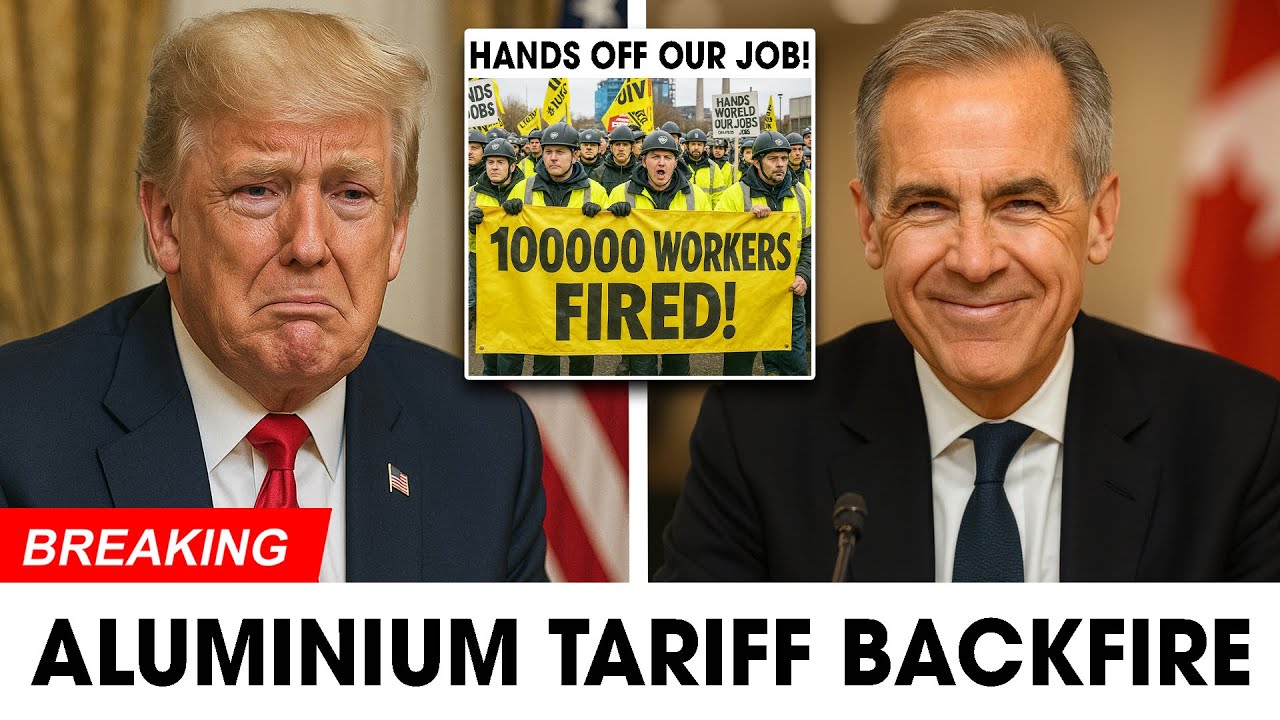
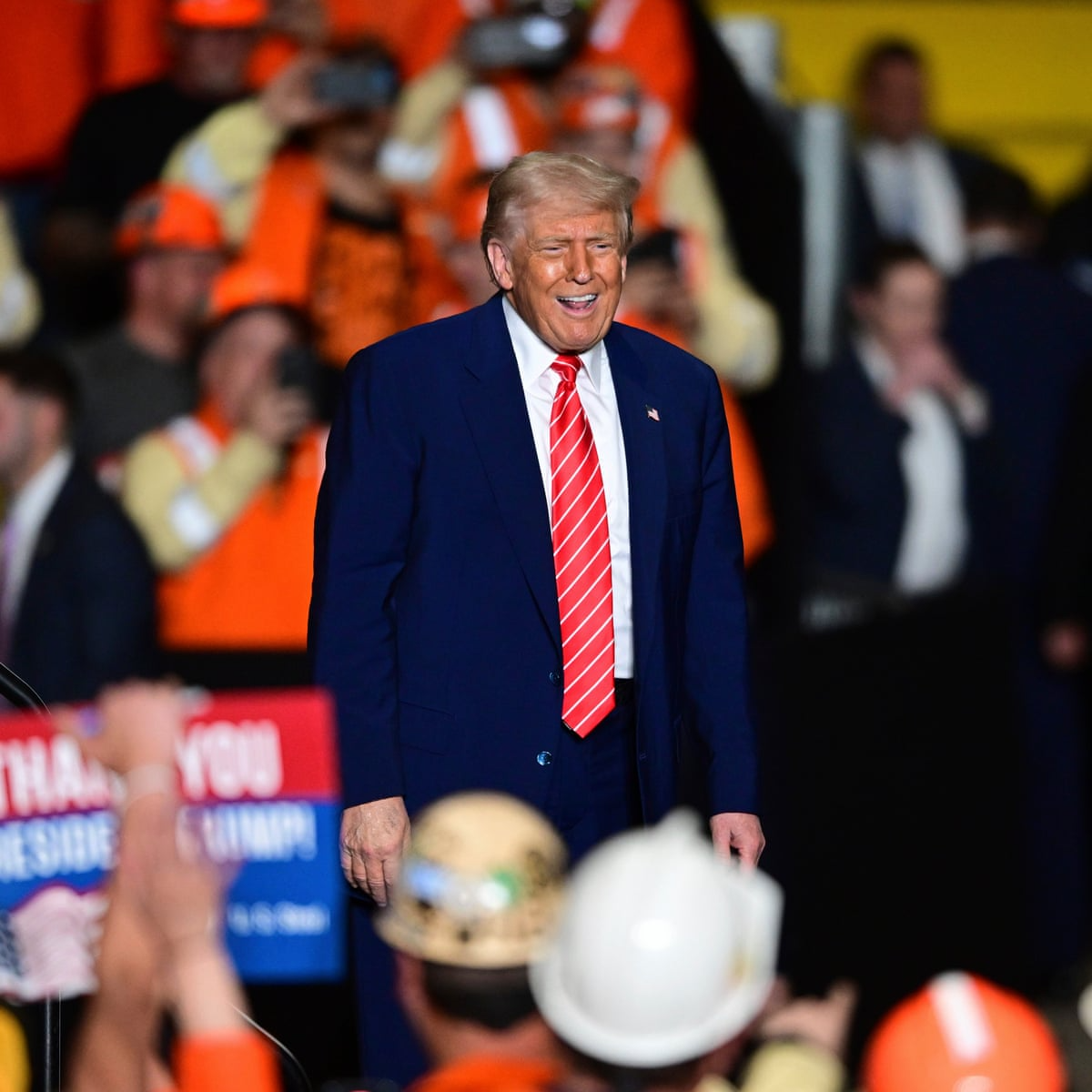
The crisis stems directly from an executive action that dramatically escalated a years-long trade policy. Initially set at 10% in 2018 with the goals of bolstering national security and reviving domestic smelting, the aluminum tariff was progressively hiked, reaching a crushing 50% earlier this year. The latest increase, announced by the former president in a Pennsylvania speech pledging a stronger-than-ever industry, has produced the opposite result. Instead of a renaissance, it has accelerated a collapse, with layoff notices arriving en masse and production lines grinding to a halt. Canadian officials and industry leaders immediately labeled the new tariffs unjustified and illegal, warning they would be devastating for workers on both sides of the border. Those warnings have materialized with stunning speed. The fundamental flaw lies not in the intent but in a fatal disregard for the economics of aluminum production, an industry so energy-intensive that smelting one ton consumes enough electricity to power a home for half a year.
While the U.S. erected higher trade barriers, it provided no solution for the crippling cost of industrial power that plagues domestic smelters. In states like Ohio and Kentucky, electricity rates are often double those in Canadian provinces like Quebec, which benefits from abundant and stable hydroelectric power. This cost chasm rendered the 50% tariff ineffective as a protective measure, as U.S. producers still could not compete. Alcoa, a U.S. industry giant, stated plainly that without a supportive energy policy, restarting production was impossible. The consequences rippled through the supply chain with predictable force. U.S. manufacturers reliant on aluminum, from automakers to aerospace firms, faced soaring material costs. To survive, companies scaled back production, reduced shifts, cut staff, and in some cases, began relocating entire operations abroad. The policy designed to create jobs became a blunt instrument of mass unemployment, described by critics as a fatal blow and a job killer striking directly at the heart of American industry.

In stark contrast, Canada has quietly capitalized on the U.S. misstep, leveraging its competitive advantages without resorting to retaliatory tariffs or fiery rhetoric. Smelters in Quebec, powered by affordable hydroelectricity, have continued steady operations and even expanded. Canada has deepened international partnerships, securing new orders from Europe and Asia as those markets seek reliable alternatives to turbulent U.S. supply chains.
This strategic, calm approach has yielded tangible results. In the first quarter of 2025, as U.S. layoffs mounted, Canada recorded a 12% increase in aluminum output. The country is now reinforcing its position as a global hub for clean, sustainably produced aluminum, actively hiring engineers and technicians while American workers clear out their lockers. The reversal of fortunes is both stark and symbolic. The human cost is immense. An estimated 20,000 of the lost U.S. jobs were high-skilled, high-value positions in the smelting sector itself, roles that anchored families and supported entire communities. The remaining job losses permeate downstream industries, creating a vortex of economic despair in towns that once thrived on manufacturing. This is not a statistical abstraction but a unfolding social catastrophe.
Analysts now warn that the aluminum crisis is a dire preview of potential broader economic damage. The automotive, aerospace, and construction sectors, all heavily dependent on global metal supplies and intricate supply chains, could be the next casualties if this protectionist cycle continues unchecked. The situation eerily mirrors past failures in steel tariffs, where similar policies failed to address underlying competitive weaknesses. The fundamental lesson is becoming painfully clear: tariffs alone cannot salvage an industry struggling with systemic disadvantages. Without parallel investments in energy infrastructure, workforce development, and comprehensive industrial policy, protectionist measures act merely as a temporary shield in a permanent storm, ultimately harming the very people they promise to protect.
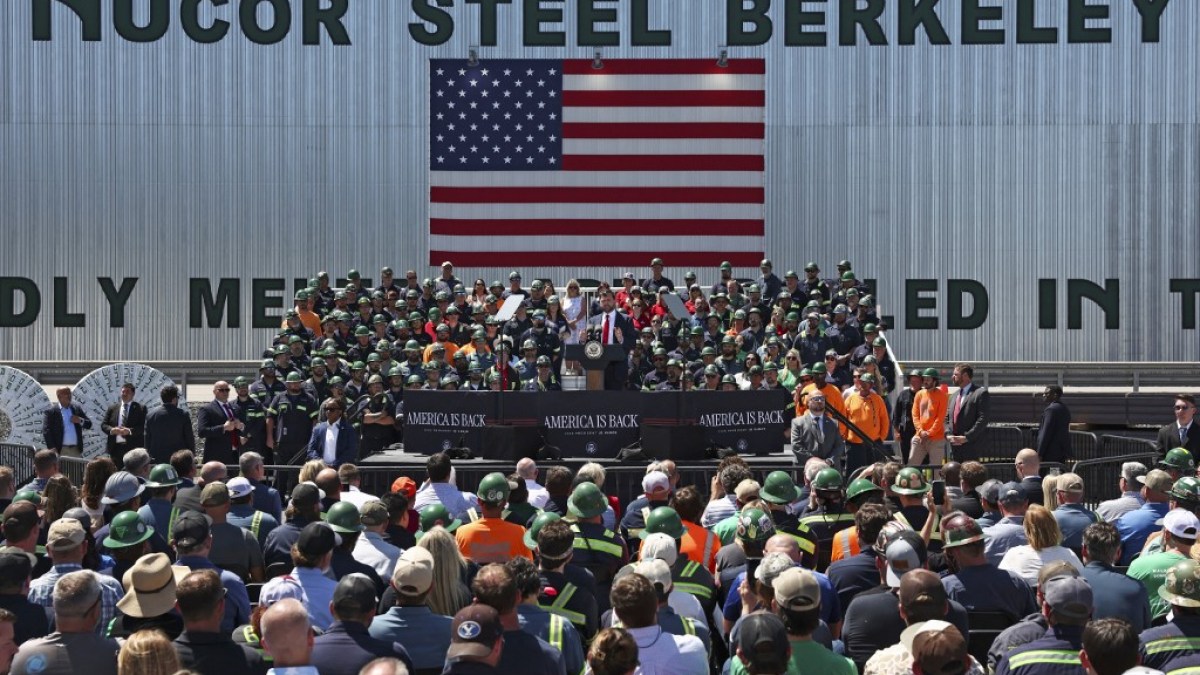
As disillusionment spreads among former supporters of the tariff hike, the focus shifts to whethera course correction is still possible. The damage, however, may be deep and lasting, with supply chains permanently redirected and industrial capacity eroded. The quiet success of Canada’s model—prioritizing stable energy and open trade—now stands as a pointed contrast to the self-inflicted turmoil in the United States. This developing story is more than a trade dispute; it is a critical test of economic strategy and a sobering reminder that policies crafted in political rallies must withstand the unforgiving realities of the global market. The silence in American factories speaks volumes, while the hum of production in Canada offers a different answer to the question of how nations compete in the modern world. The coming months will determine if the U.S. can stem the bleeding or if this policy failure will trigger the larger economic earthquake many now fear.