A seismic political shift is underway in Canada as a concrete, coordinated plan for Western independence, long dismissed as a fringe movement, has materialized with a force that has sent shockwaves through the federal government in Ottawa. Multiple provincial governments are now actively preparing legal frameworks, referendums, and economic structures for a potential exit from Confederation, moving beyond rhetoric into actionable strategy.
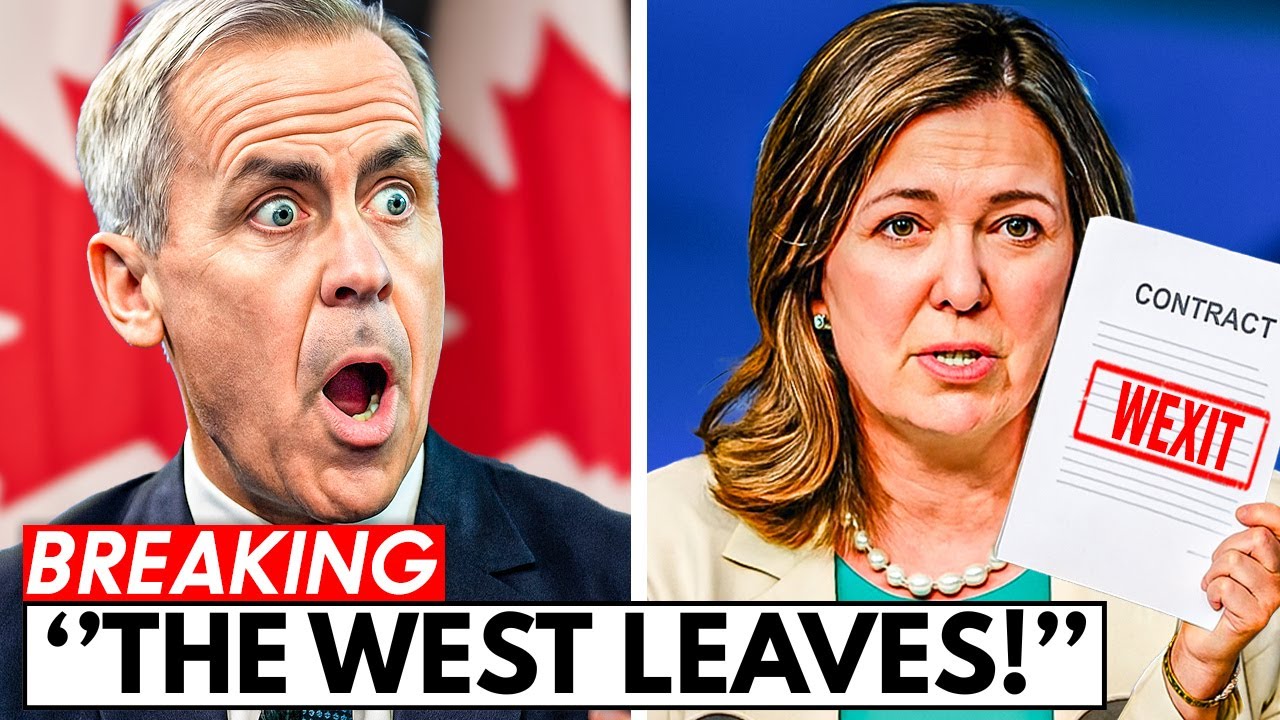
The catalyst is Alberta, whose decades of economic grievances have crystallized into a formalized push for sovereignty. The province’s Citizens Initiative Act has been triggered, with organizers securing over 240,000 signatures—far surpassing the 177,000 required to compel a provincial referendum on independence. The question is blunt: “Should Alberta become a sovereign country?”
This is not an isolated protest. Saskatchewan is moving in lockstep, with its premier publicly refusing to block a similar referendum, which requires only 125,000 signatures to initiate. Manitoba is strategically positioning itself as the essential transportation corridor, while communities in Interior British Columbia, alienated by federal policies they see as hostile to resource industries, are forming quiet alliances with the prairie provinces.
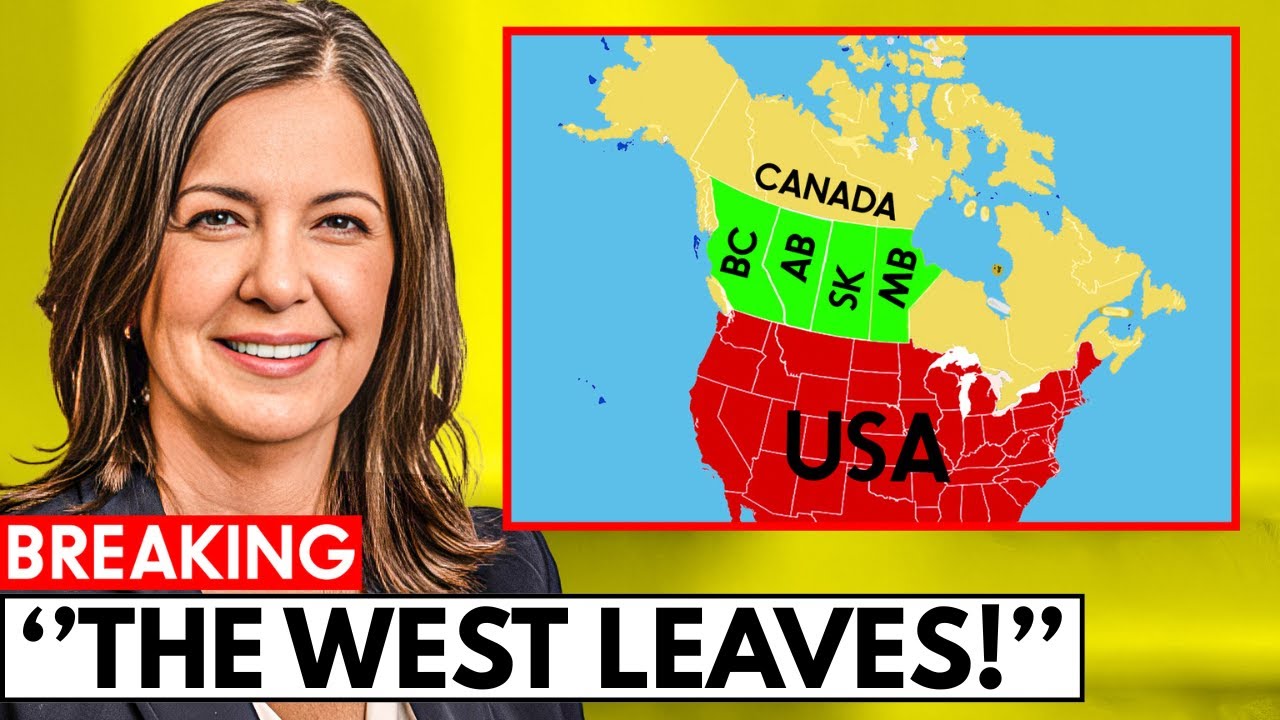
The coalition’s strength lies in its integrated economy. Alberta, with a GDP exceeding $340 billion and daily oil production rivaling some OPEC nations, is the financial engine. Saskatchewan contributes vast volumes of potash, uranium, and agricultural products. Together, they form a resource bloc that analysts suggest could function independently from its first day. The realization that their combined economic output is bankrolling federal transfer payments to other regions has fueled a powerful drive for fiscal sovereignty.
Provincial governments are not merely campaigning. They are actively modeling their own pension plans, drafting legislation for provincial police forces to replace the RCMP, and sketching new trade corridors directly with U.S. states. The strategy explicitly bypasses Ottawa, shifting from pleading for federal permission to unilaterally building new institutions.

The implications for Canada are existential. The equalization payment system, which redistributes wealth from so-called “have” provinces to others, would collapse without Alberta’s contributions. Political observers note that Saskatchewan and Manitoba would have no incentive to become the federation’s new net payers, creating an irreversible domino effect should Alberta depart.
In Ottawa, the response has been characterized by sources as one of stunned paralysis. The federal playbook of litigation, delay, and political negotiation appears ill-suited to counter a movement that is building parallel state infrastructure. Every attempt to stall, proponents argue, only hardens resolve in the West, where frustration over stalled pipeline projects and federal environmental regulations has reached a boiling point.
The movement also presents a stark contingency that alters all strategic calculations: potential accession to the United States. While not the stated goal, the possibility of Western provinces seeking U.S. statehood looms as a credible alternative, offering immediate market access and political leverage that Ottawa cannot easily dismiss.
Timelines are accelerating. With signature thresholds met and legal mechanisms engaged, the path to independence referendums in Alberta and Saskatchewan could unfold within 12 to 18 months. This provides a shockingly short window for a national unity crisis that many in the political establishment believed was a generation away.
The “Wexit” concept has transformed from a protest slogan into a documented political and economic blueprint. It represents the most severe threat to Canadian Confederation in modern history, driven by a profound belief in the West that its future prosperity lies not in reforming the federation, but in leaving it. The country now watches, waiting to see if the federal government can muster a response to a challenge that is no longer theoretical, but terrifyingly real.