One sentence.
That’s all it took.
“I’ll take a pickax to it if I have to.”
When Kerry Kennedy — daughter of Robert F. Kennedy and niece of John F. Kennedy — delivered those words, Washington felt the aftershock almost instantly.
What followed wasn’t just outrage or applause. It was something deeper and more combustible: a renewed national argument about power, memory, and who gets to define the Kennedy legacy in modern America.
A Cultural Landmark at the Center of a Political Storm
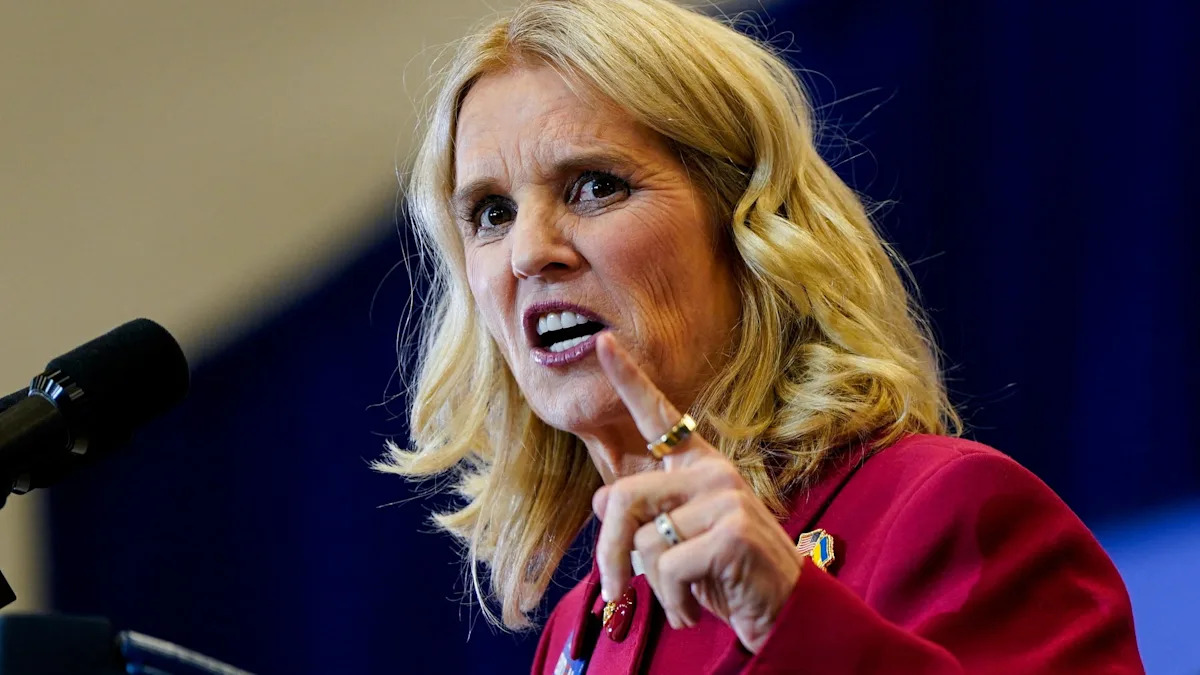
The John F. Kennedy Center for the Performing Arts has long been treated as sacred ground — a space meant to celebrate art, creativity, and unity beyond ideology. Named in honor of JFK, the Center has traditionally stood apart from the partisan battles that consume Washington.
That’s why recent controversy surrounding the use — and interpretation — of the Kennedy name at the institution has struck such a nerve.
Critics argue that decisions involving the Kennedy Center risk politicizing a national cultural landmark and diluting the legacy of a family whose name is inseparable from American history. Supporters counter that silence is no longer neutral — and that defending the Kennedy legacy requires confrontation, not quiet reverence.
Into that tension stepped Kerry Kennedy.
Why Her Words Hit So Hard
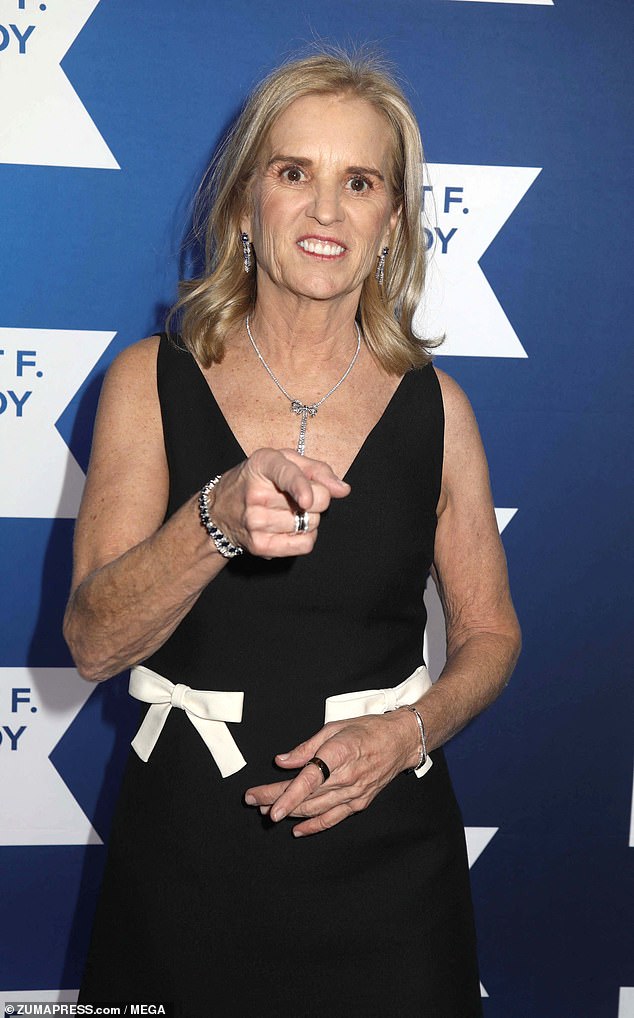
This wasn’t an offhand comment from a pundit or protester. Kerry Kennedy carries a surname that still echoes with ideals of service, sacrifice, and unfinished promise. Her work as a human rights advocate has often placed her in the center of moral and political debates — but this time, the conflict was personal.
Her statement was read by many as a line in the sand:
a declaration that the Kennedy name cannot be invoked without accountability.
Supporters praised her bluntness, calling it long overdue — a refusal to allow the family legacy to be used in ways they believe betray its values.
Opponents accused her of inflaming division, arguing that such rhetoric risks turning shared national heritage into a partisan weapon.
Either way, the reaction was immediate — and intense.
The Kennedy Legacy: Still Powerful, Still Contested
More than half a century after JFK’s assassination, the Kennedy name still carries extraordinary weight. It represents hope to some. Hypocrisy to others. And to many, it remains a mirror reflecting America’s unresolved struggles over power, justice, and identity.
What this moment has made clear is that the legacy is not settled history. It is living, disputed, and emotionally charged.
And when a Kennedy herself suggests tearing something down — even symbolically — it forces the country to ask uncomfortable questions:
Who owns history?
Who decides what a name stands for?
And when does preservation become distortion?
Why This Fight Isn’t Ending Anytime Soon
This isn’t just about a building or a plaque. It’s about authority — moral, cultural, and historical. It’s about whether national institutions can ever truly stand above politics, or whether they inevitably become battlegrounds for meaning.
Insiders say the debate has only begun.
Cultural leaders are weighing in.
Political figures are choosing sides.
And the Kennedy family’s internal divisions are once again playing out on a public stage.
One thing is certain: the argument Kerry Kennedy reignited isn’t going away quietly.
A Name That Still Has the Power to Shake the Nation
Love it or loathe it, the Kennedy legacy still has the rare ability to stop the country mid-sentence and force a reckoning.
And with emotions rising, language sharpening, and history itself on trial, this latest showdown may become one of the most defining cultural clashes in years.






