Christmas Gets Canceled on Late Night — Stephen Colbert’s Animated Holiday Roast Went Somewhere No One Expected
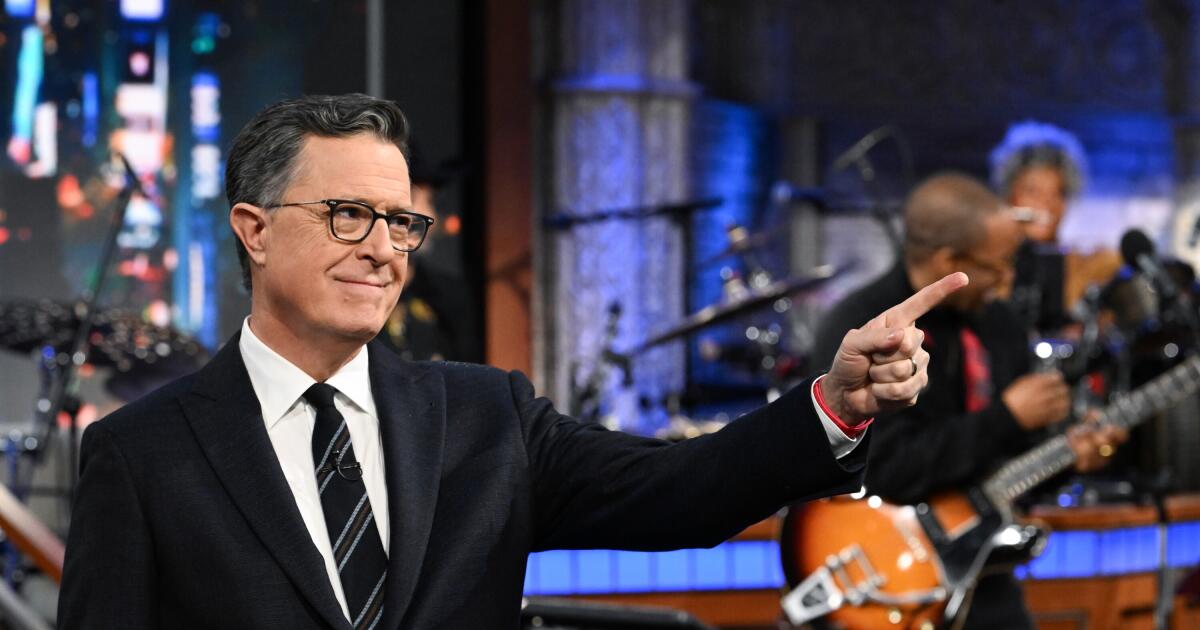
Viewers tuned in expecting a familiar late-night tradition: a few holiday jokes, some gentle satire, maybe a wink at the chaos of the year.
What they got instead felt like Christmas run through a blender.
On The Late Show with Stephen Colbert, Stephen Colbert unveiled an animated Christmas segment so bold, strange, and deliberately unsettling that it immediately set off a firestorm online. This wasn’t festive parody. It was a full-scale satire of power, politics, and how quickly even the safest traditions can be torn apart.
When Christmas Became the Target
The segment imagined Christmas itself under siege, ruled over by a cartoon authoritarian figure known as “King Jag Bag” — a thinly veiled caricature unmistakably modeled after Donald Trump. From the opening moments, it was clear this wouldn’t pull its punches.
ICE agents stationed at the North Pole.
Santa’s workshop flattened.
Elves scattered.
And Santa himself exiled to a fictional prison dubbed “Alligator Elfcatraz.”
It was absurd. It was shocking. And it was intentionally uncomfortable.
Nick Offerman’s Voice Made It Chilling
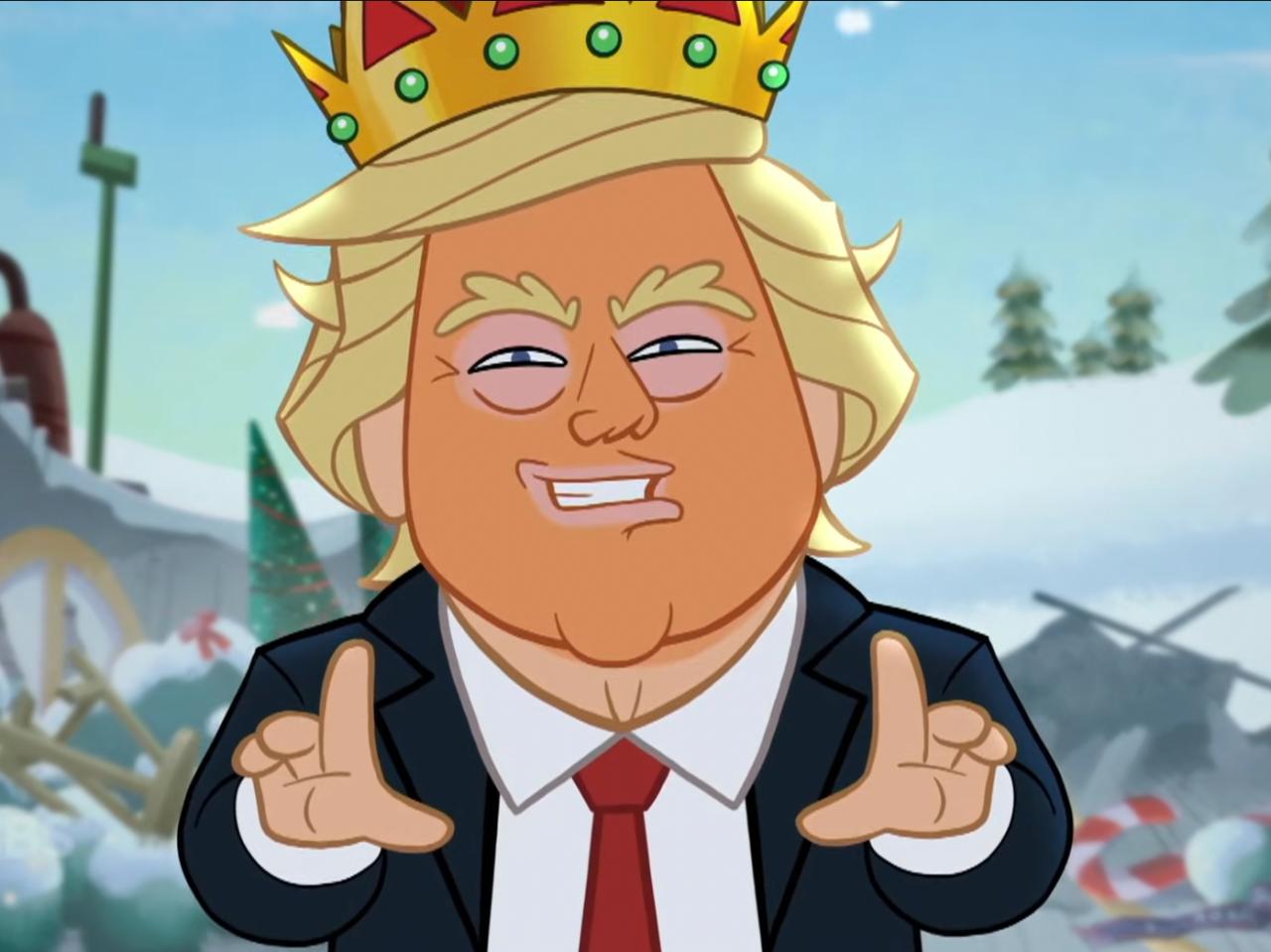
What pushed the segment from wild satire into something genuinely eerie was the narration. Delivered in a calm, almost soothing tone by Nick Offerman, the voiceover felt like a bedtime story describing the slow dismantling of joy.
That contrast — chaos on screen paired with serenity in delivery — is what made viewers stop laughing mid-chuckle. The humor didn’t disappear. It mutated into something darker, forcing audiences to sit with what they were watching instead of breezing past it.
Why This One Hit So Hard
Late-night television has mocked presidents, holidays, and cultural symbols for decades. But combining all three — and doing it through animation that leaned into destruction, exile, and institutional force — crossed a boundary many viewers didn’t realize existed.
Some praised the segment as fearless satire.
Others called it disturbing, excessive, or “too far.”
Almost everyone agreed on one thing: it was impossible to ignore.
Social feeds lit up with clips, reactions, and debates within minutes of airing. That split reaction wasn’t an accident — it was the point.
A Sign of Where Late Night Is Headed
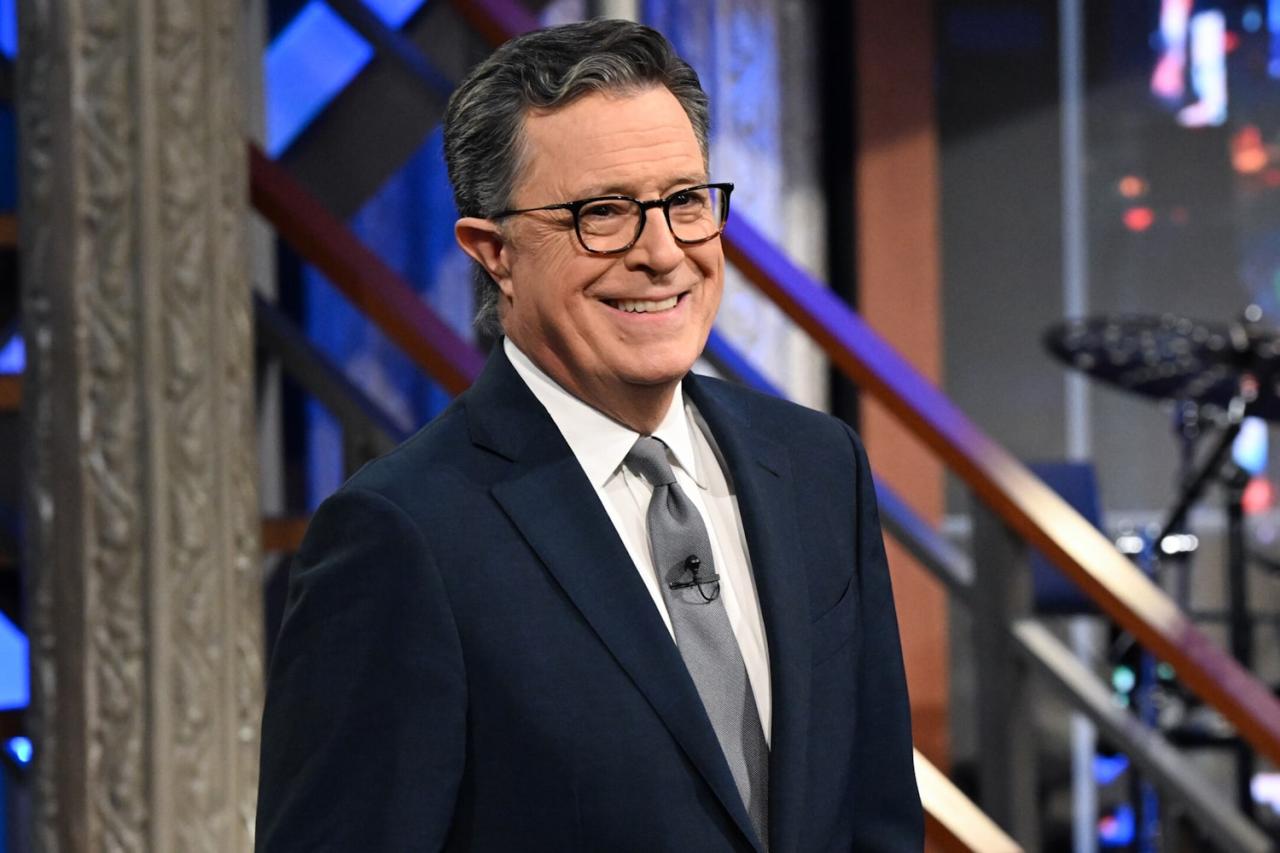
This wasn’t just a holiday bit. It was a statement about what late-night comedy is willing to risk in an era where attention is fractured and outrage is constant. Safe jokes don’t travel far anymore. Shock does. Provocation does.
Colbert’s animated special didn’t try to comfort viewers. It challenged them — asking how power operates, how traditions can be weaponized, and whether anything is truly protected from satire anymore.
Late night didn’t “cancel” Christmas.
It used Christmas as a test case.
Is Anything Still Off-Limits?
That’s the question lingering after the final frame. If even Christmas — arguably the safest, most commercialized tradition on television — can be dismantled for satire, then nothing is sacred. For some viewers, that’s exhilarating. For others, it’s exhausting.
But for late night, it’s a reminder of why the format still exists: to provoke, to unsettle, and to spark conversation long after the laughter fades.
Love it or hate it, this animated Christmas special didn’t just entertain.
It forced a reaction.