The American housing market is in freefall, with a catastrophic collapse now unfolding in the wake of a bitter trade war with Canada. A policy stance once dismissed as bluster has triggered a chain reaction, crippling construction, eviscerating affordability, and threatening a downturn experts warn could surpass the 2008 financial crisis. The direct link between punitive tariffs on Canadian imports and the disintegration of the nation’s real estate sector is now undeniable.
In February, the Trum
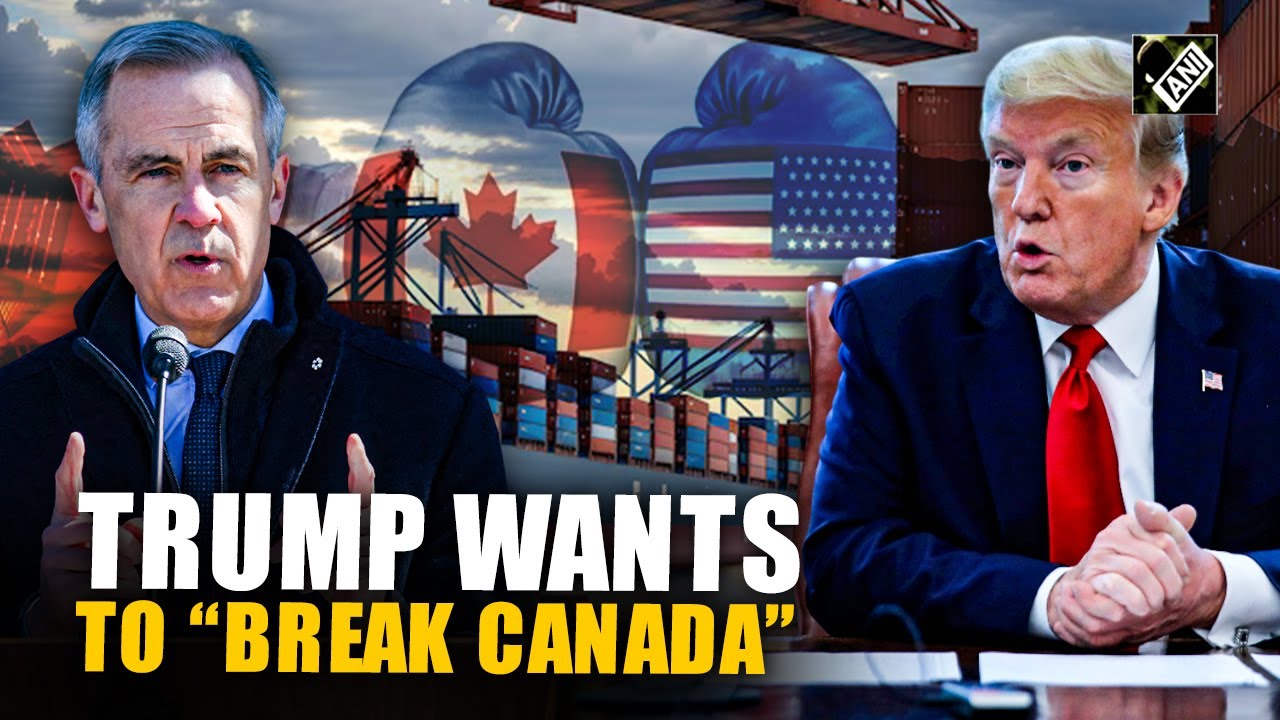
p administration declared “Liberation Day,” imposing sweeping 25% tariffs on Canadian steel, aluminum, and lumber. The move, framed as economic nationalism, has proven disastrous for homebuilding. Canada supplies approximately 70% of U.S. softwood lumber imports, a foundational material for residential construction valued at $8.5 billion annually.
The immediate effect was a massive cost shock. Tariffs have inflated lumber costs by 20 to 30 percent, sending builder margins into a tailspin. The National Association of Home Builders reports new home prices have already surged 10-15% this year as a direct result. Simultaneously, housing starts have plummeted 12% year-over-year, a clear signal of a market seizing up.
The damage extends far beyond the construction site. Key Sun Belt markets, long reliant on Canadian “snowbird” buyers, are witnessing a devastating demand drought. Buyer traffic from Canada into states like Florida and Arizona has cratered by 26% since May, leaving a glut of unsold condos and depressing local economies. This secondary blow compounds the primary crisis of supply.
Financial markets, spooked by the persistent trade chaos and inflationary pressure from tariffs, have reacted severely. Mortgage rates remain stubbornly high, stuck near 6.7%, as uncertainty paralyzes the Federal Reserve. The combination of soaring material costs and expensive financing has created a perfect storm of unaffordability, sidelining a generation of first-time buyers.
Data reveals a market in rapid retreat. According to real estate analysts, 53% of U.S. homes have now lost value from their peak in the previous year. Inventories are piling up as sales stall, but price corrections are not attracting buyers because the fundamental cost to build and borrow remains prohibitively high. The equity millions counted on is evaporating.
Economic forecaster Melody Wright has issued a stark warning, suggesting the current trajectory could lead to a 50% punge in housing values by 2026. This projection is not seen as hyperbole but as a mathematical inevitability if the trade policies remain unchanged. The collapse is systemic, moving from a slowdown to a potential national emergency.

The administration’s broader immigration and labor policies have exacerbated the crisis. Aggressive deportations and visa restrictions have frozen segments of the construction labor force, further delaying projects and increasing costs. The domestic workforce Trump promised to protect cannot materialize overnight to fill these critical roles.Canada’s retaliatory measures have tightened the vise, targeting U.S. exports and snarling integrated supply chains for appliances, fixtures, and other housing components. What was billed as a show of strength has revealed profound interdependence. The “punching bag” is fighting back, and American industries are feeling the pain.
Foreclosure rates, a lagging indicator, have begun a troubling upward tick. As adjustable-rate mortgages reset and households strained by inflation struggle, the human cost of the housing collapse is moving from spreadsheet to street. The American Dream is not deferred; it is being actively dismantled.
Prominent economic commentator Richard D. Wolff summarized the sentiment growing among experts: “Diplomacy isn’t a reality show. It’s the glue holding our economy together.” He argued that treating a major trading partner and ally with contempt has unleashed predictable and devastating consequences on Main Street.The call from industry leaders, economists, and affected citizens is now a roar: drop the tariffs and restart good-faith negotiations with Ottawa. The alternative is a full-scale meltdown. Walls, as Wolff noted, do not build houses; they merely ensure the wrecking ball of recession swings unimpeded.
This crisis is a direct test of political will. Will the administration acknowledge the causal link and execute a course correction, or will ideological stubbornness prevail as the market crumbles? The stability of the world’s largest economy may hinge on the answer. Millions of American families are awaiting it, their financial futures hanging in the balance.
The story of this collapse will be written in foreclosure notices, abandoned construction sites, and depleted retirement savings. It is a stark lesson in global economics, demonstrating that in an interconnected world, no nation is an island—not even one that believes it doesn’t need its neighbors. The bill for that illusion has now come due.