Washington D.C. – What seemed like a routine legal matter quickly escalated into a tense, public showdown between President Donald Trump and Representative Joyce Beatty, capturing the attention of both political insiders and the general public. The controversy revolves around Trump’s contentious plan to rename the Kennedy Center, one of the nation’s premier cultural and artistic landmarks, after himself—a move far from as simple as the president had imagined.
The dispute began when Joyce Beatty, a Democratic congresswoman from Ohio, filed a lawsuit against President Trump to block the renaming of the Kennedy Center. Beatty argued that the action was not only an abuse of power but also a disrespect to the legacy of one of America’s most important cultural institutions. According to Beatty, the Kennedy Center was established to honor President John F. Kennedy and his commitment to arts and education, and renaming it after a sitting president was an excessive politicization that disrespected history.
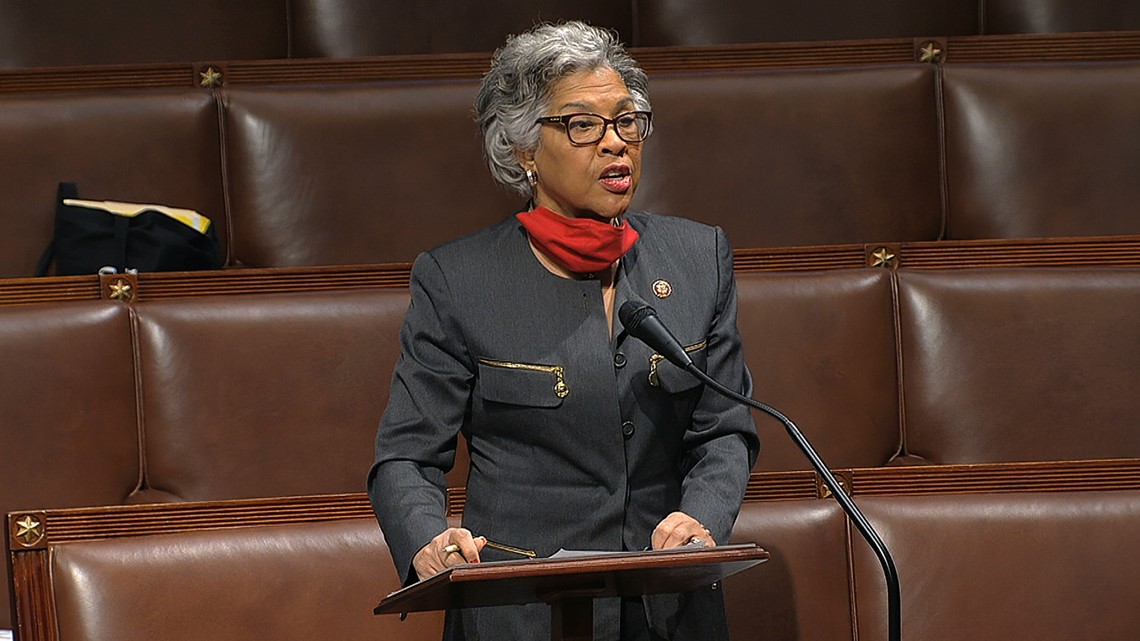
As news of the lawsuit spread, President Trump responded with a forceful public statement. He criticized Beatty openly on various media platforms, asserting, “I don’t need Congress to name a building.” The statement quickly became a hot topic in Washington political circles and on social media. Trump emphasized that presidential authority allows him to make decisions regarding federal buildings, especially iconic ones, and that Beatty’s challenge was unreasonable.
Yet Joyce Beatty remained unflinching. In interviews and official legal filings, she stressed that Trump’s unilateral attempt to rename the Kennedy Center was unconstitutional and bypassed established legal procedures. Beatty highlighted that any changes to the names of federal buildings, particularly national symbols, must be approved by Congress, and the president alone does not have the authority to decide.
The legal battle drew attention not only from politicians but also from arts leaders, scholars, and the broader public. Many critics and artists voiced strong support for Beatty, seeing her action as a defense of cultural values against arbitrary political decisions. Some prominent figures in the arts even joined media campaigns, calling on the public to protect the Kennedy Center and honor the legacy it represents.
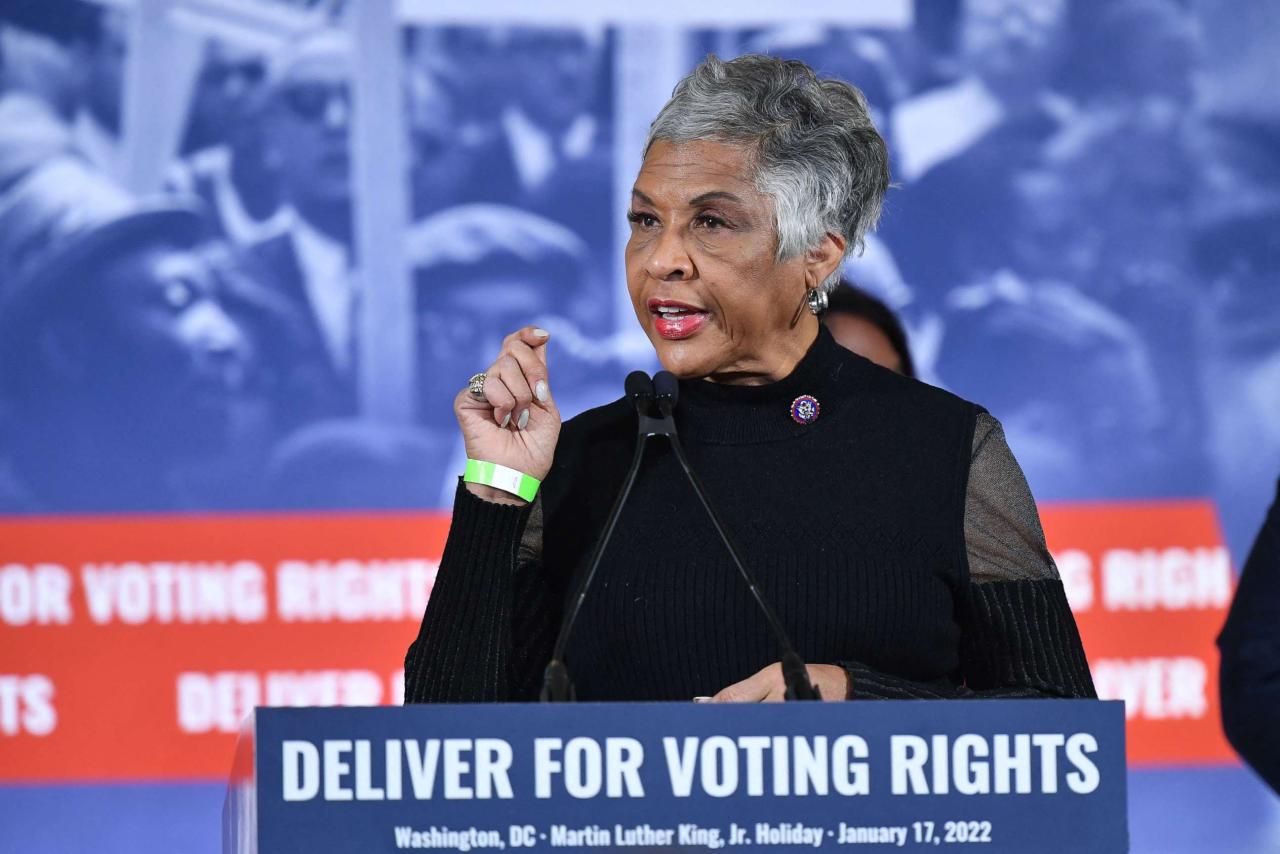
Within the White House, Beatty’s swift and firm challenge caught advisors by surprise. Sources reveal that Trump was reportedly furious, repeatedly asking why Beatty could “stand up” to him without hesitation. Insiders admit that her immediate and assertive response left Trump momentarily speechless and disrupted his broader agenda at the time, creating a media storm he had not anticipated.
Meanwhile, Joyce Beatty maintained her firm stance. She leveraged both legal avenues and media channels to raise public awareness about the importance of the Kennedy Center and why renaming it was unacceptable. Beatty held press conferences, penned op-eds in major publications, and appeared on television programs to explain the significance of the Kennedy Center and the legal and cultural reasons to oppose its renaming. She emphasized that this was not a personal political battle but an effort to safeguard the nation’s cultural heritage and government accountability.
Legally, Beatty’s lawsuit raised critical questions about the scope of presidential authority in naming federal buildings. Her attorneys argued that any action bypassing Congress could be deemed invalid and unconstitutional. Should the court rule in Beatty’s favor, it would represent a significant legal setback for the president and establish a precedent limiting similar unilateral powers in the future.
Beyond the legal dimension, this confrontation has become a symbol of resilience against unchecked power. Beatty, calm yet resolute, demonstrated that an individual can confront a sitting president without fear, relying on the law and public support. Her actions not only frustrated Trump but also galvanized widespread backing from both political and artistic communities.
As the case continues to unfold, observers and the public alike are watching closely to see whether Trump will persist with his renaming plan or retreat under legal and political pressure. Some experts predict that the president will have to reconsider, as maintaining the confrontation could damage his public image and political credibility.
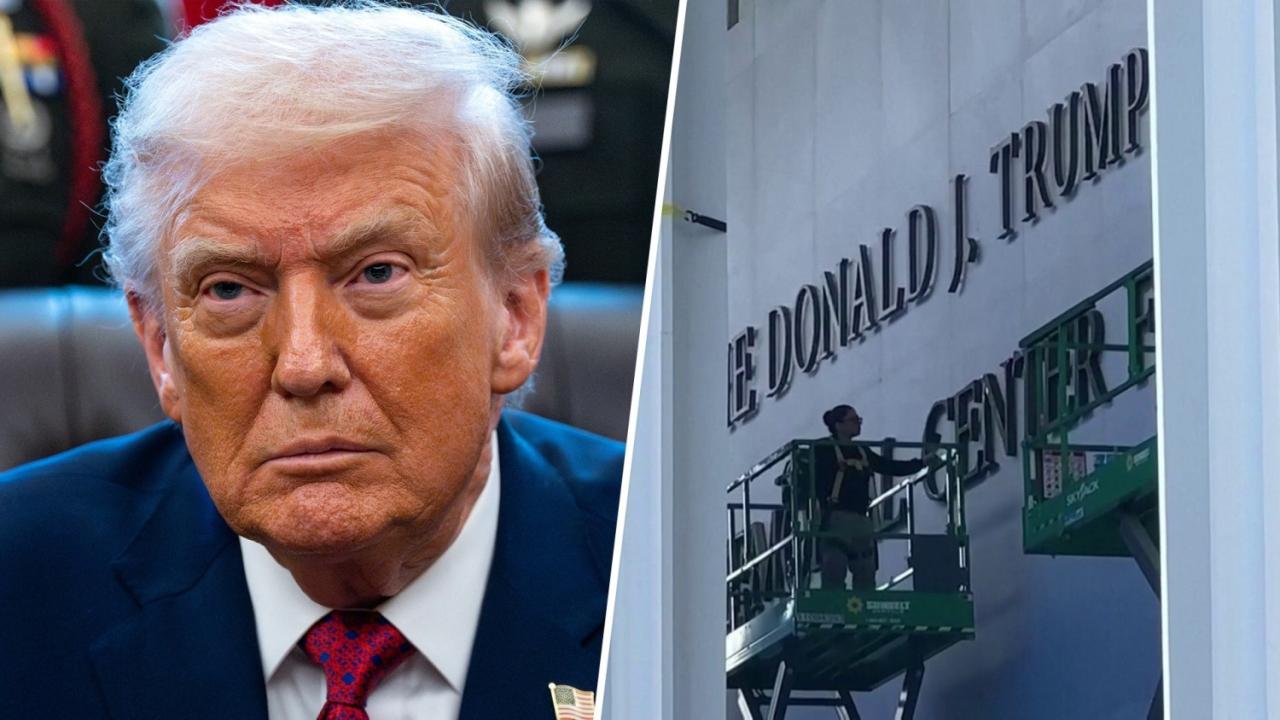
The fight over the Kennedy Center illustrates that in American politics, authority does not always rest solely with the highest office. The power of law, steadfastness, and public support can challenge even a sitting president in ways that are unexpected. Joyce Beatty, with her determination and sharp arguments, turned what might have been a routine lawsuit into a defining moment of cultural and political significance.
In today’s highly polarized political climate, the story of the Kennedy Center and Joyce Beatty is more than just a legal case—it is a symbol of resistance against overreach and the defense of core national values. It reminds the nation that authority cannot supersede the law or cultural heritage, and that a single determined individual can indeed make a substantial difference.