Jack Smith, Legal Bills, and the Moment When Law Confronts American Power
WASHINGTON — As a judge in Georgia weighs whether Fulton County should be required to reimburse millions of dollars in legal fees to attorneys representing President Donald Trump, a far more consequential development is unfolding in Washington — one that may reshape the legal and political future of the United States.
On Wednesday, eight law firms representing Mr. Trump submitted legal bills totaling more than $6.2 million, seeking reimbursement under a newly enacted Georgia law that allows defendants to recover “reasonable” legal costs when prosecutions are deemed unlawful. The request stems from the election interference case originally brought by the Fulton County District Attorney’s Office.
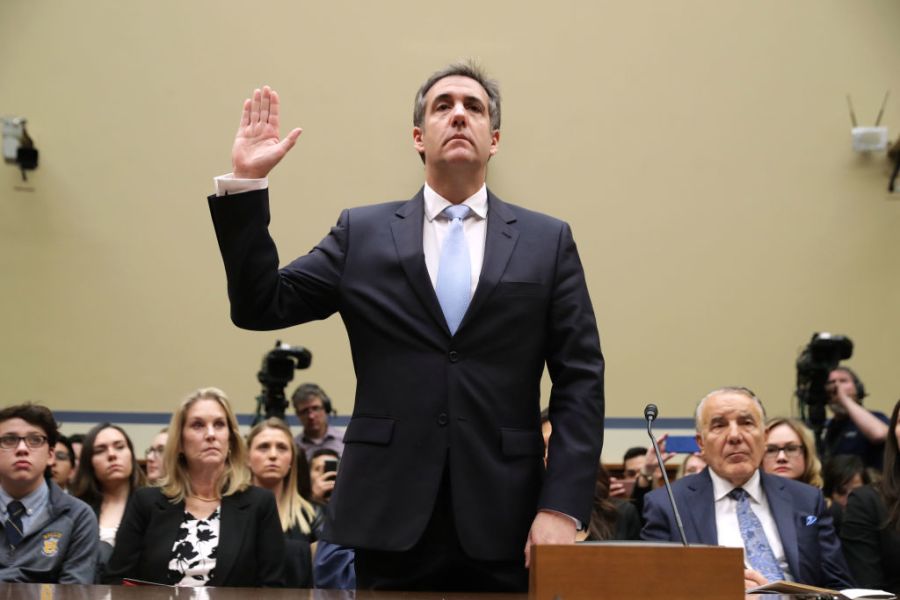
According to attorney Daryl Cohen, a longtime Georgia legal analyst not directly involved in the case, the ultimate decision rests with Judge Scott McAfee, who must determine what qualifies as “reasonable” — a standard that is both subjective and often contentious in politically sensitive cases.
“It depends on the attorney’s experience, expertise, and what comparable representation would cost on the open market,” Mr. Cohen said. “There is no fixed number.”
One of the largest claims comes from Steve Sadow, Mr. Trump’s lead defense attorney in Georgia, who is seeking nearly $1.5 million in reimbursement. If attorneys for other defendants in the same case file similar motions, the total amount could approach $10 million — nearly a quarter of the Fulton County District Attorney’s annual budget.
But those figures, significant as they are, may ultimately prove secondary to a far more consequential reckoning.
A Closed-Door Testimony and a Central Witness
At the same time the legal bills were filed, Special Counsel Jack Smith appeared for a closed-door session before the House Judiciary Committee — a development that immediately reverberated across Washington and dominated political discussion on American media and social platforms.
According to lawmakers and individuals familiar with the testimony, Mr. Smith presented extensive evidence related to two core investigations involving Mr. Trump: efforts to overturn the 2020 presidential election and the improper retention of classified documents after leaving office.
What made Mr. Smith’s testimony particularly consequential, according to reporting and commentary from outlets such as Axios, Politico, and prominent legal analysts on Substack, was not merely the description of conduct — but the emphasis on criminal intent.
Under U.S. law, intent is decisive. A president acting under a sincere but mistaken belief may not meet the threshold for criminal liability. A president who knows the truth and proceeds anyway, however, crosses a far different legal line.
Mr. Smith reportedly told lawmakers that evidence demonstrates Mr. Trump was repeatedly informed there was no widespread election fraud, including by then–Attorney General William Barr, White House counsel, campaign lawyers, and senior Justice Department officials. Despite this, Mr. Trump continued to promote false claims and pursue strategies aimed at retaining power.
Fake Electors and Pressure on the Justice Department
A central portion of the testimony focused on the fake electors scheme — an effort to assemble illegitimate slates of electors in states Mr. Trump had lost, with the goal of creating confusion during the January 6, 2021 certification and providing a pretext for rejecting lawful electoral votes.
According to sources briefed on the testimony, Mr. Smith presented meeting notes, communications, and sworn statements showing Mr. Trump was aware the plan was unlawful, yet approved and encouraged it.
In parallel, Mr. Trump sought to pressure the Justice Department to publicly declare the election corrupt, despite a lack of evidence. He considered replacing senior department officials with individuals willing to advance those claims. Multiple Justice Department leaders testified they threatened to resign en masse to prevent such actions.
The Classified Documents Case: A Clearer Legal Path
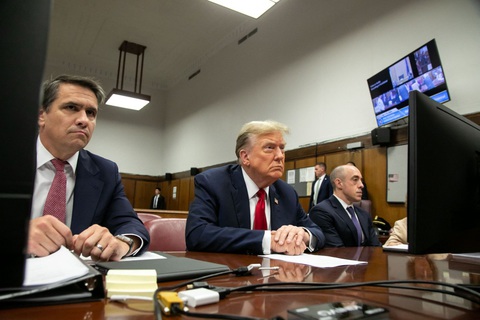
While the election-related allegations are politically complex, many legal experts describe the classified documents case as more straightforward.
Mr. Smith reportedly detailed how Mr. Trump removed thousands of government documents upon leaving office, including materials marked at the highest classification levels involving Iran’s nuclear program and U.S. military operations. When the National Archives requested their return, Mr. Trump resisted. When subpoenas followed, documents were concealed, moved, and stored in unsecured locations at Mar-a-Lago.
Witnesses, including close aides, testified they were instructed to move boxes and provide misleading statements to investigators. Legal analysts cited by MSNBC and other outlets note that such actions may constitute obstruction of justice and violations of the Espionage Act.
Political and Legal Consequences
Mr. Trump and his allies have dismissed the investigations as politically motivated, but discussions on Capitol Hill have grown increasingly serious regarding the possibility of impeachment and conviction.
According to reporting and widely circulated commentary on X (formerly Twitter), some Republican lawmakers are privately reassessing their positions as evidence increasingly comes from former Trump administration officials and longtime allies.
If removed from office, Mr. Trump would lose any remaining institutional protections of the presidency, opening the door to federal criminal prosecutions.
A Pivotal Moment
No American president has ever been convicted through impeachment and subsequently prosecuted for crimes committed while in office. Yet constitutional scholars and historians cited by CNN and academic forums note that the U.S. legal system was explicitly designed to confront such scenarios — however rare.
In the coming weeks, decisions by Georgia courts, actions by Congress, and federal prosecutorial steps may converge into one of the most consequential periods in modern American political history.
The question is no longer whether the system will be tested — but whether it will withstand the test.






