U.S. Retreats From the Global Order as Trump Pulls Out of Dozens of International Bodies
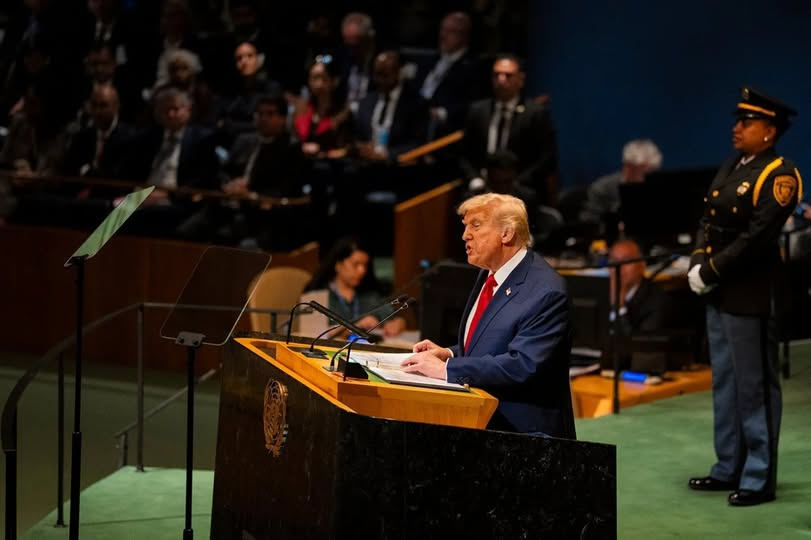
WASHINGTON — In a sweeping move that has stunned allies and international institutions alike, President Donald Trump on Wednesday signed an executive order withdrawing the United States from 66 international organizations, agencies, and commissions, including the United Nations Population Fund and the treaty framework underpinning global climate negotiations. The decision represents the most dramatic U.S. withdrawal from multilateral cooperation since Washington helped construct the post–World War II international system.
The White House said the order followed a comprehensive review of U.S. participation in and funding for international organizations, particularly those affiliated with the United Nations. Administration officials argued that many of the bodies no longer serve American interests and instead constrain U.S. sovereignty.
International reaction was swift. The United Nations secretary general expressed “deep regret” over Washington’s decision, emphasizing that assessed contributions to the U.N. regular and peacekeeping budgets are legal obligations under the U.N. Charter, binding on all member states, including the United States.
A World Viewed Through Personal Power
The withdrawals come just days after President Trump concluded a more than two-hour interview with four New York Times reporters, in which he laid out a starkly personal vision of global order.
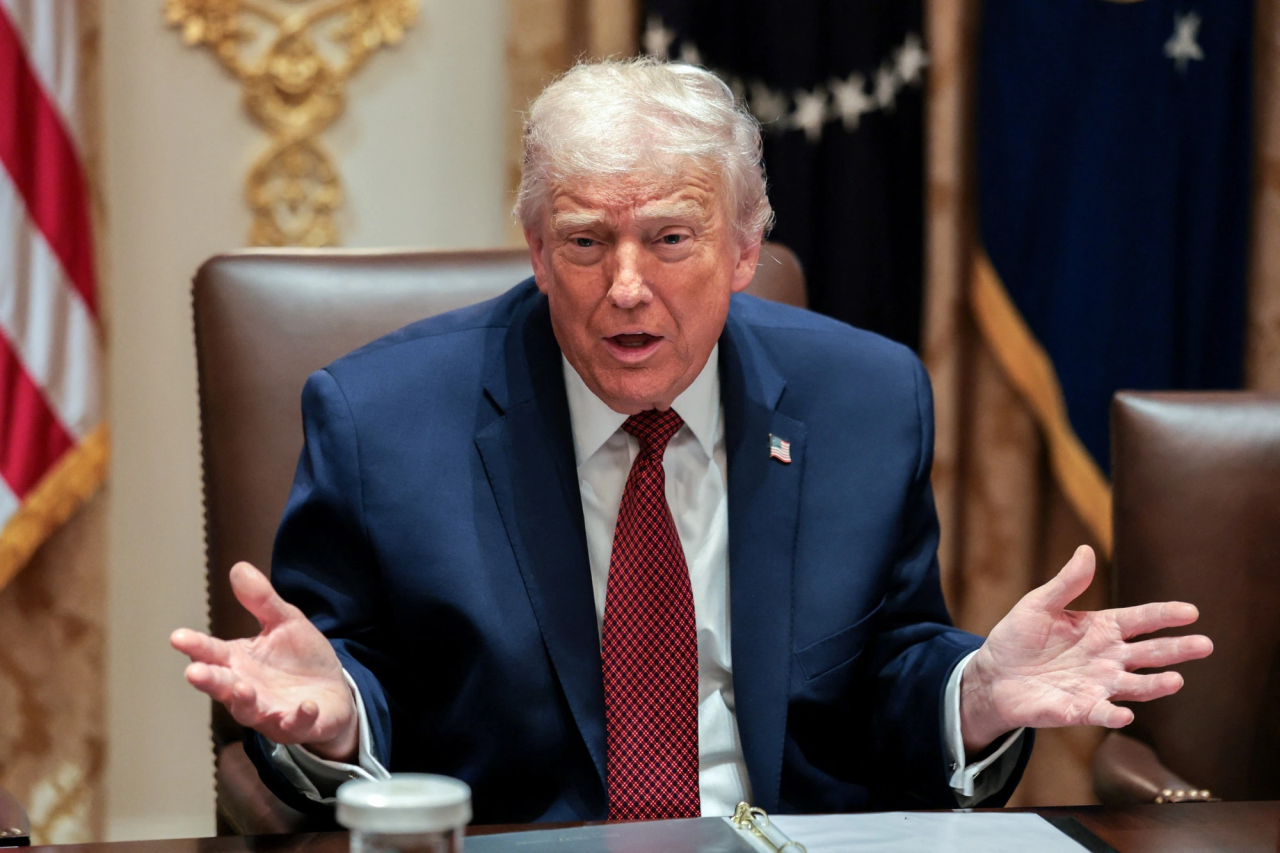
According to those present, Mr. Trump described the international system as one governed by raw power: might makes right, and because the United States is the most powerful nation, he believes the American president — specifically himself — should determine how the world functions. Asked about limits on his authority, he replied that those limits rest on his own morality, not Congress, international law, or multilateral institutions.
For foreign policy experts, those remarks were not merely rhetorical. They now appear to be the philosophical foundation for concrete policy actions.
From Architect to Outsider
For nearly eight decades, the United States has been the central architect and guarantor of the postwar international system. Washington played a decisive role in creating the United Nations, the World Health Organization, arms control agreements, global development institutions, human rights frameworks, and scientific cooperation bodies.
These institutions did not eliminate conflict. But they provided mechanisms for managing crises — tracking pandemics before they spiraled globally, curbing nuclear proliferation, stabilizing economies, documenting human rights abuses, and enabling diplomacy in place of war.
With a single executive order, the United States is now stepping away from many of the very structures it once championed. Analysts at institutions such as the Brookings Institution and the Council on Foreign Relations describe the move as the most aggressive dismantling of a U.S.-led international system since 1945.
A Leadership Vacuum — and Who Fills It
America’s retreat does not occur in isolation. In recent months, China has increased both its financial contributions and diplomatic engagement within international institutions that the United States is abandoning. European policymakers are increasingly debating whether long-term reliance on Washington remains viable, or whether deeper economic and strategic engagement with Beijing is becoming unavoidable.
President Trump’s repeated public attacks on NATO and the European Union have amplified these concerns. Across American political media and social platforms, commentators have noted that Mr. Trump’s rhetoric toward U.S. allies often echoes language used by the Kremlin, a comparison that many foreign policy veterans find deeply unsettling.
Human Rights and Aid Left Behind
Among the organizations the United States is leaving are bodies focused on gender equity, human rights monitoring, and refugee assistance. The move follows the Trump administration’s earlier decision to effectively dismantle USAID, the primary vehicle for U.S. humanitarian aid, global health programs, and famine prevention.
Former diplomats warn that the consequences are not merely moral but strategic. Foreign aid has long served as a pillar of American soft power, helping to stabilize fragile regions and prevent conflicts before they erupt into security crises.
Eroding Credibility, Lasting Consequences
For voters who supported President Trump’s “America First” agenda, these actions may represent the fulfillment of a campaign promise. But economists and national security experts caution that a more isolated, less trusted, and less influential United States will ultimately bear higher costs — economically, diplomatically, and militarily.
Allies that once relied on American leadership are now reassessing contingency plans once considered unthinkable, from boosting independent defense capabilities to managing territorial disputes without Washington’s backing.
The End of an “American Century”?
The 20th century came to be known as the “American Century” because of a unique combination of military strength, economic power, and institutional leadership. Many historians and political analysts now argue that the 21st century may tell a very different story — one of a superpower choosing withdrawal, dismantling shared rules, and placing personal authority above collective responsibility.
As one former U.S. ambassador wrote recently on social media, “True power is not just what you are able to do, but what you choose not to do — for the sake of everyone else.”
Whether the United States can reclaim its role as a global leader in the future remains uncertain. What is clear is that this decision by the Trump administration marks a historic turning point, with consequences that will reverberate far beyond Washington — reshaping the global order for years to come.