Donald Trump, Political Fury, and a World Slipping Out of Order
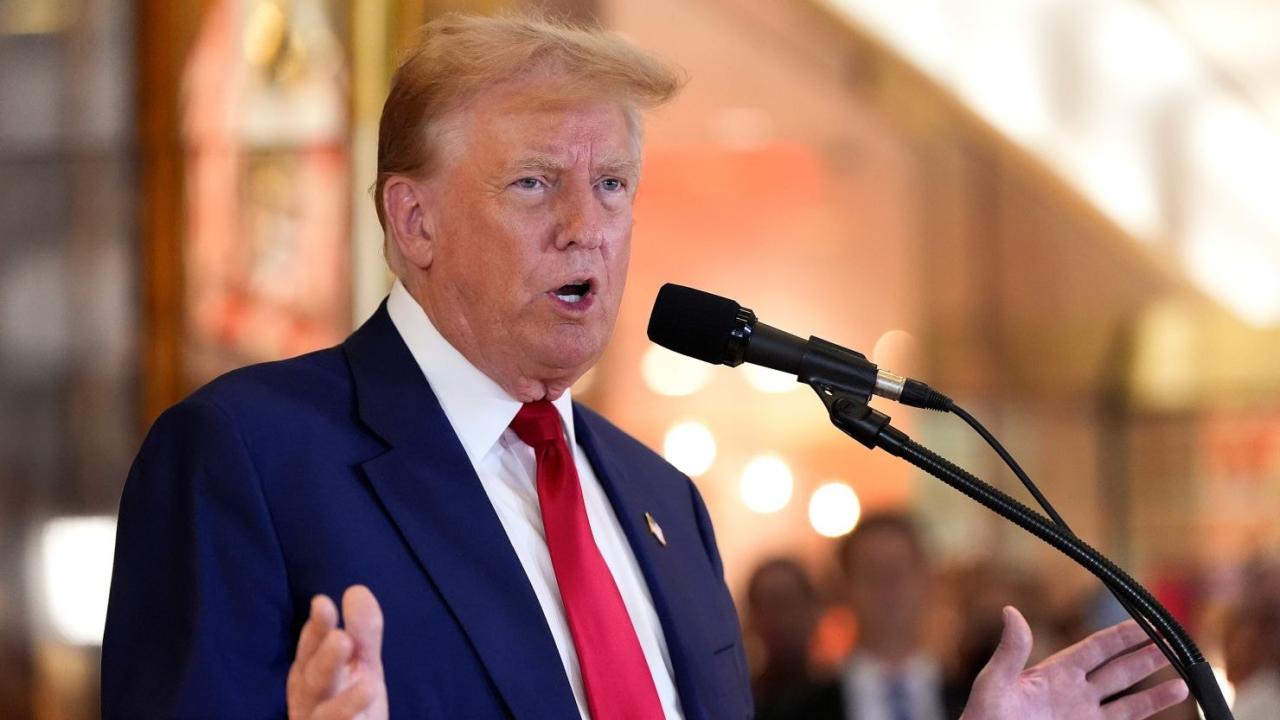
WASHINGTON — As bloody protests erupt in Iran, Russian missiles strike Ukraine, and tensions ripple across the Western Hemisphere, President Donald Trump has spent much of his days and nights posting unverifiable charts, issuing incendiary claims, and appearing in highly sympathetic interviews on Fox News.
The contrast between the gravity of global crises and the White House’s response has alarmed observers both inside and outside the United States, raising fears that the country is entering a period of instability not seen since the Cold War.
Numbers Without Reality
In a series of social media posts, Mr. Trump claimed that since he “took office,” 100 percent of new jobs in the United States have gone to native-born workers, accompanied by charts lacking any verifiable sourcing and inconsistent with official Labor Department data.
The White House Council of Economic Advisers amplified the message, asserting that states won by Mr. Trump have created eleven times more jobs than so-called “left-wing” states. Independent economists quickly challenged the claim, noting that it ignores population size, industry concentration, and the reality that states such as California, New York, Massachusetts, and Illinois remain the primary engines of the U.S. economy.
“This isn’t an academic dispute,” said a former Treasury official. “It’s the use of economic data as propaganda at a moment of global crisis.”
Iran: Massacre or “Stampede”?
Meanwhile, in Iran, the largest protests in years are unfolding. Witnesses and regional media report that Iranian security forces have used heavy weapons against demonstrators, resulting in dozens—possibly hundreds—of deaths.
Just a week earlier, Mr. Trump had warned that if Iran violently crushed peaceful protests, the United States was ‘locked and loaded.’ Yet during an appearance on Fox News with Sean Hannity, the president offered a starkly different explanation: the deaths, he said, were largely caused by “stampedes” within massive crowds.
The remarks drew outrage from Iranian diaspora communities and human rights groups. “This is not merely distortion,” said one activist. “It is a moral abdication.”
Venezuela: Oil, Power, and a Nobel Prize
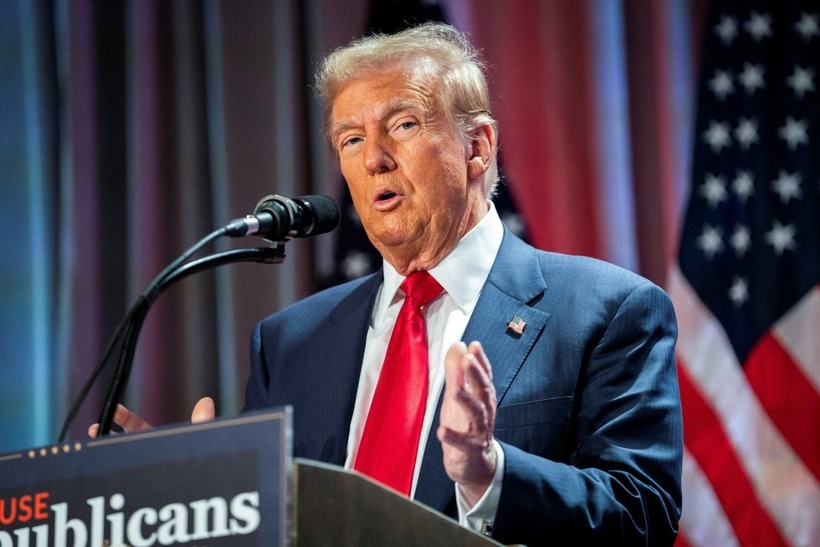
In Venezuela, the rise of Delcy Rodríguez—a figure closely tied to the Maduro regime—has intensified questions about Washington’s true strategy. While the Trump administration has labeled her a “puppet,” images and statements from Russia, Iran, and China suggest she retains substantial international backing.
In one of the most striking moments of the week, Mr. Trump said he would welcome opposition leader María Corina Machado to Mar-a-Lago—if she presented him with the Nobel Peace Prize.
“This is a humiliation for American diplomacy,” said a former U.S. ambassador. “It turns foreign policy into a personal transaction.”
Threats Against Mexico, Cuba, and Regional Order
Mr. Trump also threatened military action in Mexico, claiming drug cartels are “running the country,” and raised the prospect of confrontation with Cuba.
These statements came as the U.S. Senate passed a war powers resolution aimed at limiting the president’s authority to escalate military involvement in Venezuela, with several Republican senators joining Democrats—an unusually public sign of resistance within his own party.
Domestic Violence and a Crisis of Trust
At home, protests erupted in Minneapolis, Portland, and other cities following Immigration and Customs Enforcement operations. Allegations that civilians were killed during encounters with federal agents have further eroded trust in the federal government.
“The most dangerous development,” said Oregon’s governor, “is that people no longer believe what the federal government tells them.”
A White House Remade
Even the physical symbol of American power has become a source of controversy. Plans to renovate the White House—including expanding the West Wing and adding a massive ballroom—have drawn criticism from historians and architects who argue that the changes undermine the building’s historic character.
At the same time, U.S. senators reaffirmed bipartisan support for the sovereignty of Denmark and Greenland, as Mr. Trump continues to hint at acquiring the territory.
A World Reacts to America
From Kyiv to Tehran, Caracas to Copenhagen, governments are recalibrating their policies around a new reality: an America under Donald Trump that is increasingly unpredictable and overtly unilateral.
“The issue is no longer just Donald Trump,” a Financial Times columnist wrote, “but how the global order is being reshaped in reaction to him.”
The central question, then, is not whether the world is changing—but what role the United States will play in that change: a stabilizing force, or a prolonged source of uncertainty.