WASHINGTON, D.C. — In the corridors of power where whispers often carry more weight than shouts, the word “impeachment” has ceased to be a quiet murmur on the political fringes.
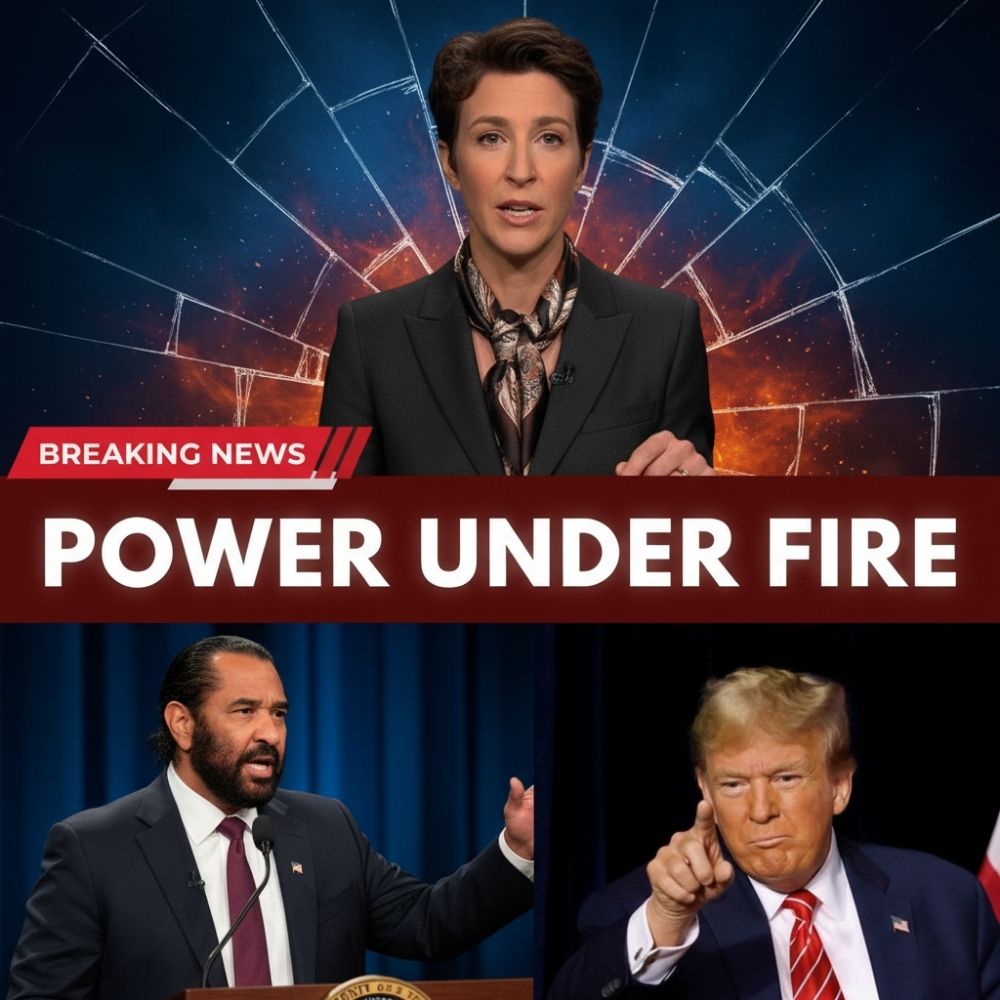
As of January 2026, it has transformed into a deafening roar, a legislative tidal wave that is crashing against the gates of the White House and threatening to reshape the American democratic landscape forever.
Washington is not just heating up; it is reaching a boiling point that few insiders believe the current administration can cool down.
The Surge of the 140: A Legislative Siege
What began as a localized effort by a handful of steadfast critics has evolved into a formidable movement.
The numbers alone tell a story of rapid escalation: 140 members of Congress have now officially and publicly signaled their intent to push for a formal impeachment vote against President Donald Trump.
This is no longer a symbolic gesture or a partisan performance; it is a calculated, high-stakes institutional showdown.
Political analysts suggest that the “140” represent a critical mass.
Unlike previous attempts that struggled to gain traction beyond a small base, this coalition includes lawmakers who were once hesitant, those from swing districts, and veteran politicians who typically avoid high-risk maneuvers.
Their unity signals a fundamental shift in the wind.
For these 140 individuals, the political risk of inaction has finally outweighed the risk of a full-scale constitutional confrontation.
Al Green and the “Red Line”
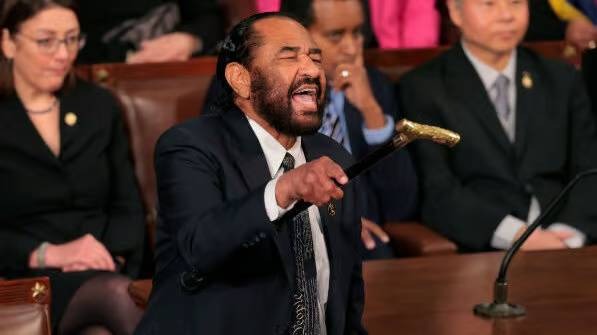
At the forefront of this movement stands Texas Congressman Al Green, a figure who has long sounded the alarm regarding executive overreach.
However, Green’s current rhetoric has taken on a sharper, more urgent edge.
He argues that a “fundamental red line” has been crossed—not just once, but repeatedly.
According to Green and his allies, the administration has moved beyond mere policy disagreements into the dangerous territory of “normalized political violence.”
The core of the accusation rests on the President’s use of social media platforms—specifically Truth Social—to foster an atmosphere of fear.
Lawmakers point to specific posts that they claim encourage harassment and direct threats against elected officials, judges, and democratic institutions.
To Green, this isn’t just “tough talk”; it is a systemic dismantling of the safety and norms that allow a democracy to function.
A Climate of Fear and Institutional Erosion
The charges driving the current impeachment push are as broad as they are severe.
Beyond the immediate concerns of political violence, the 140 lawmakers are citing a “sinister pattern” of behavior.
This includes allegations of coordinated cover-ups, the weaponization of federal agencies for personal grievances, and a blatant disregard for the co-equal status of the legislative branch.
The atmosphere in Washington is described by many as “volatile.”
Lawmakers who were previously content to watch from the sidelines now describe a Capitol Hill that feels like a powder keg.
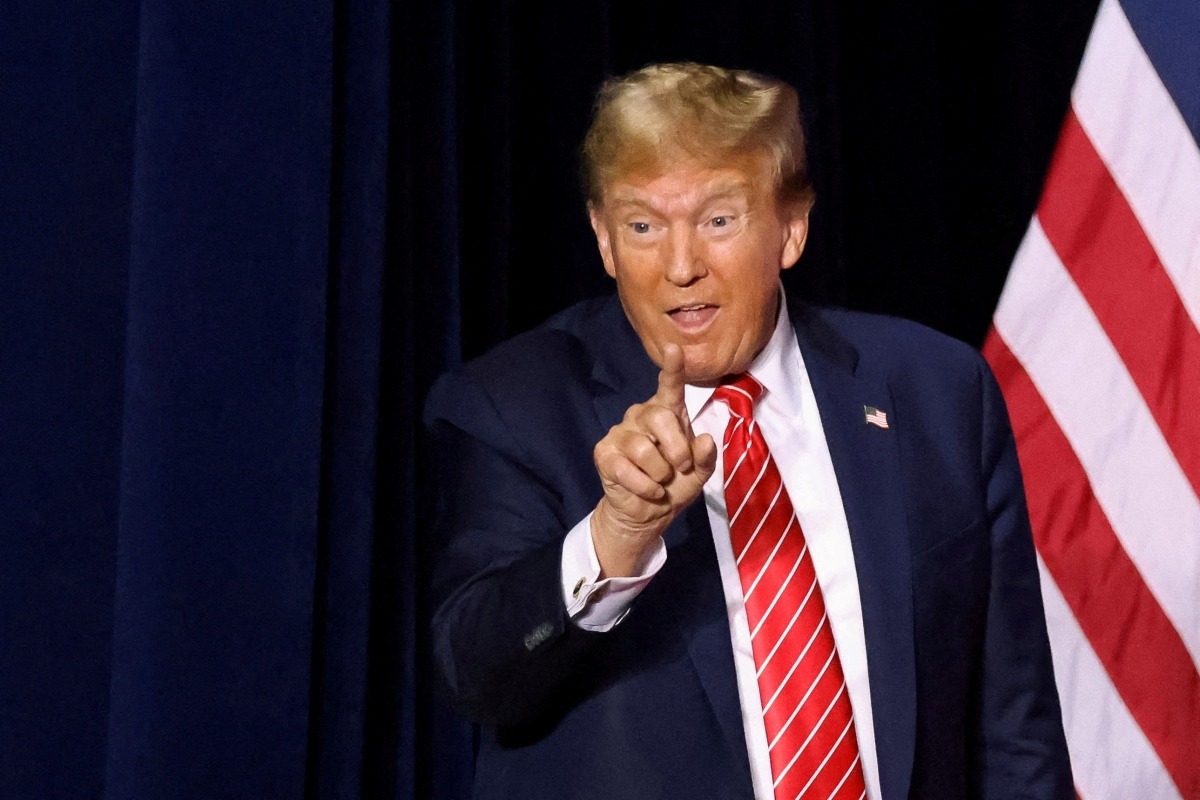
“There is a sense that the guardrails are gone,” one senior aide remarked on the condition of anonymity.
“The controversies are compounding so quickly that there isn’t time to breathe between one scandal and the next.
It creates a feeling of permanent crisis.”
The Senate’s Inevitable Reckoning
If the House of Representatives successfully moves forward with articles of impeachment, the focus will shift to the Senate, where a trial would become an unavoidable national spectacle.
For the Senate, there are no “safe” options.
A full trial would freeze all other legislative priorities—from economic reforms to foreign policy initiatives—plunging the government into a state of suspended animation.
Senators find themselves in an impossible position.
To vote for conviction would be to invite the wrath of a still-loyal base; to vote for acquittal, or to dismiss the trial entirely, would open them to charges of “institutional cowardice” and “political protectionism.”
In the lead-up to the 2026 midterm elections, every word spoken on the Senate floor will be scrutinized by a polarized electorate.
More Than One Man: A Test of the System
While the headlines focus on Donald Trump, the deeper story is about the survival of the American system itself.
This impeachment push is, at its heart, a test of whether the U.S. Congress still functions as a co-equal branch of government.
It asks a profound question: Can the legislature still act as a check on executive power when it believes the President has moved beyond the law?
For many in the “140,” this is about the precedent being set for future generations.
If the behavior currently being witnessed is allowed to go unchecked, they argue, it becomes the new standard for all future presidents.
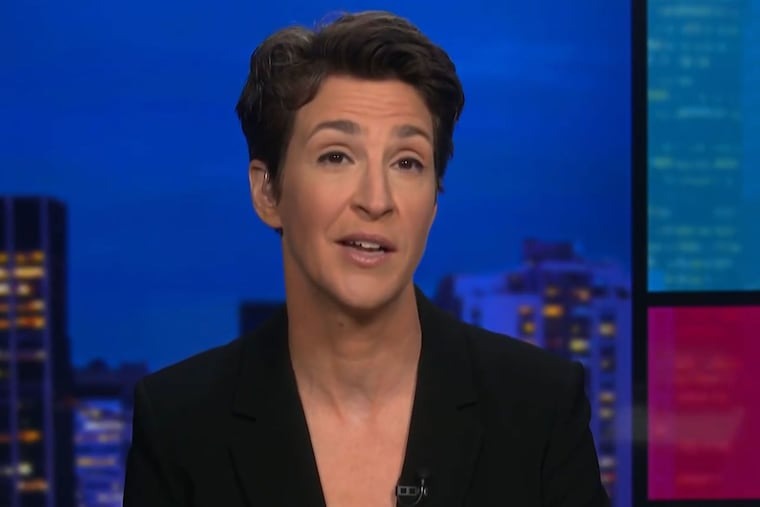
“This isn’t about the man,” Al Green recently stated.
“It’s about the office, and the fragile democracy that office is sworn to protect.”
The Road Ahead: 2026 and Beyond
As Washington enters this period of intense heat, the consequences will echo far beyond the Beltway.
The international community is watching with bated breath, wondering if the world’s leading democracy is headed for a collapse or a renewal.
Domestic voters are equally divided, with some seeing the impeachment as a necessary “cleansing” of the system and others seeing it as a “political witch hunt” designed to subvert the will of the people.
The fuse has been lit.
The sides are formed.
The political temperature is rising with every passing hour.
Whether this leads to a formal removal of the President or a bitter, inconclusive stalemate, one thing is certain: Washington will never be the same.
The “2026 Chaos” is no longer a prediction; it is the current reality.
Buckle up—this story is only beginning, and the fallout will likely define American politics for the next decade.






