Washington — Donald J. Trump appeared at a federal courthouse on short notice on Tuesday, only hours after testimony by Special Counsel Jack Smith that reverberated through Washington and set off a flurry of speculation among legal observers about the former president’s next move.
According to people familiar with the matter, Mr. Trump’s arrival was not on the public schedule and appeared to catch even some of his advisers off guard. Within minutes, lawyers associated with his defense team were seen fielding urgent phone calls and conferring in hushed groups, as court staff prepared for filings that were submitted under seal.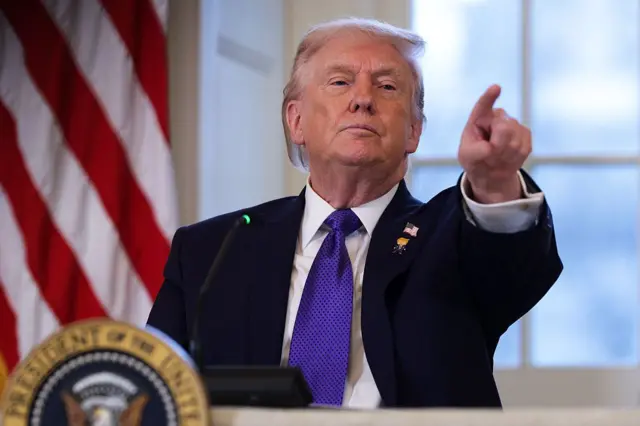
The testimony by Mr. Smith, delivered earlier in the day as part of ongoing proceedings related to the federal investigation into Mr. Trump, was described by several legal analysts as unusually pointed. While much of the substance remains confidential, the testimony reportedly addressed procedural and evidentiary issues that could narrow Mr. Trump’s legal options in the months ahead.
“This was not routine,” said one former federal prosecutor who reviewed portions of the public record and spoke on the condition of anonymity to discuss an active legal matter. “When a defendant responds this quickly and personally, it usually suggests they believe something has shifted in a meaningful way.”
Mr. Trump has long sought to project confidence in the face of multiple investigations, often portraying them as politically motivated and legally weak. In public statements, he has dismissed the special counsel’s work as a “witch hunt” and insisted that his legal team has matters well in hand. Tuesday’s sudden court appearance, however, appeared to complicate that narrative.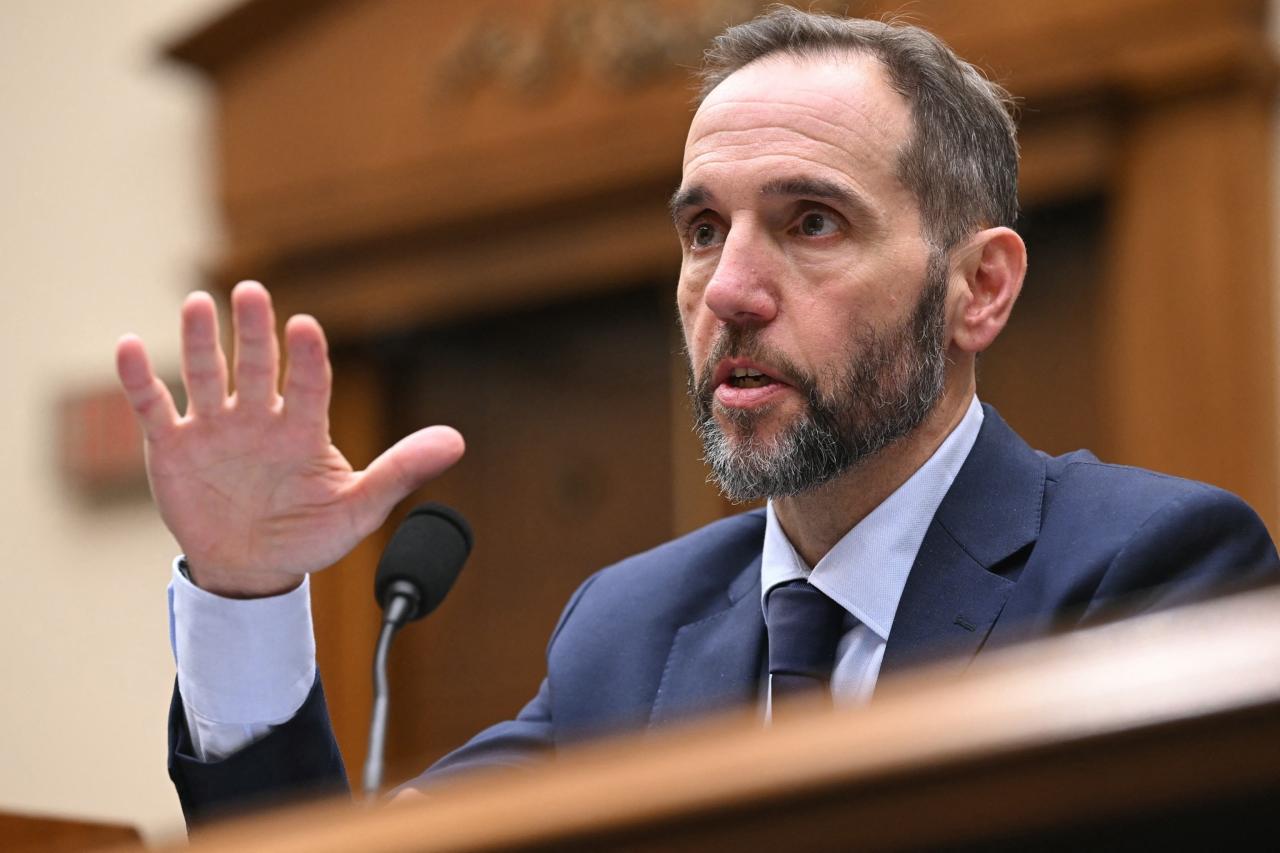
Several people briefed on internal discussions said the defense was focused on what one adviser described as “damage containment,” including assessing whether immediate action was needed to preserve certain arguments for appeal or to challenge aspects of the special counsel’s approach. Emergency filings, though not publicly available, were believed to involve objections to the scope or interpretation of testimony introduced by prosecutors.
Mr. Smith’s office declined to comment, citing longstanding policy against discussing ongoing investigations. A spokesman for Mr. Trump did not respond to requests for comment, though the former president later posted on social media that he was “fighting back, as always,” without elaborating.
The episode underscores the precarious legal position Mr. Trump occupies as he balances campaign ambitions with mounting legal exposure. Unlike previous moments in which court appearances were planned well in advance and accompanied by carefully choreographed messaging, Tuesday’s events unfolded rapidly and with little apparent preparation.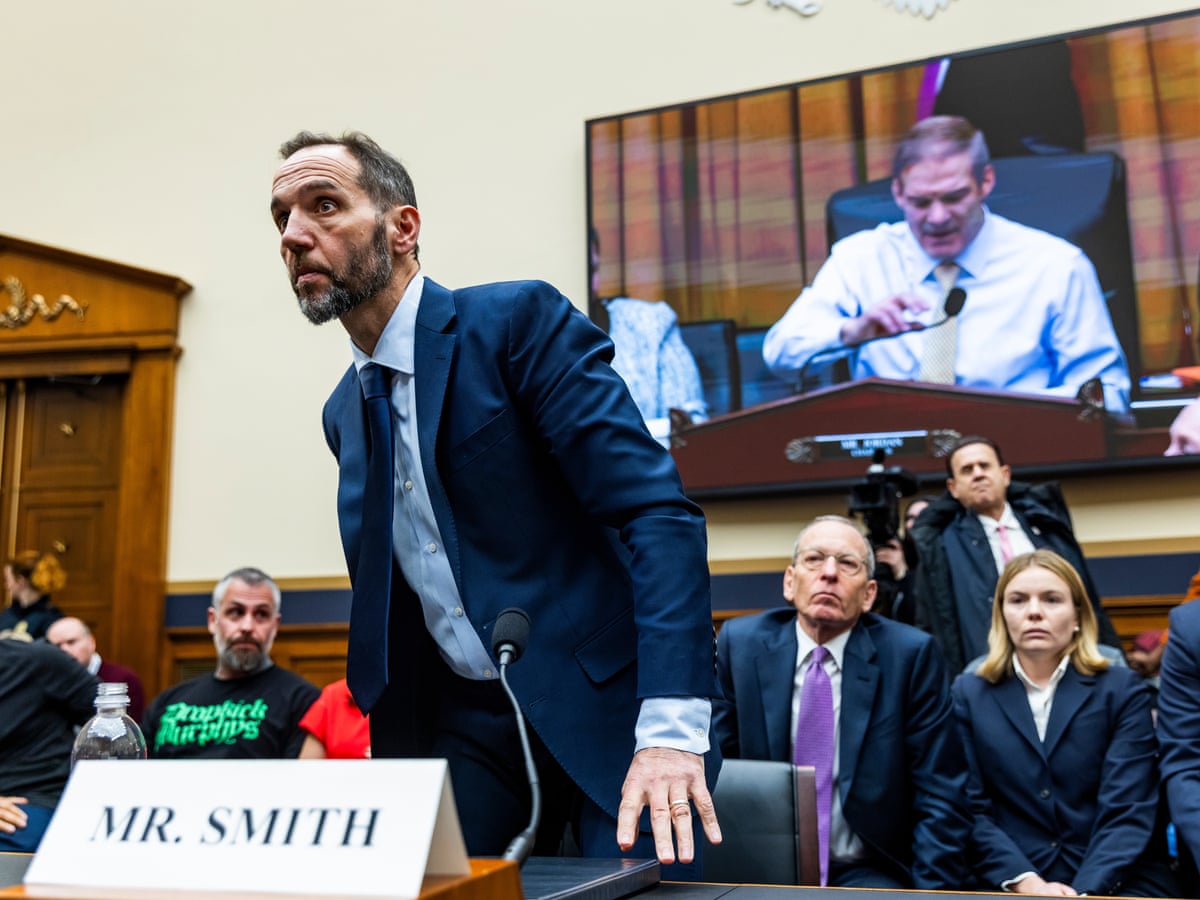
“This looked reactive, not strategic,” said Rebecca Ellis, a professor of criminal procedure at Georgetown University. “Even if there is a perfectly rational legal explanation, the optics are difficult. It suggests that the defense felt pressure to respond immediately.”
For Mr. Trump’s supporters, the moment has already become fodder for competing interpretations: some see it as evidence of prosecutorial overreach, others as proof that the investigations are closing in. For prosecutors, it highlights the degree to which each procedural step can have outsized political and legal consequences.
What Mr. Smith said — and what exactly prompted Mr. Trump’s swift move — may not become clear for some time. Court records related to the appearance are expected to remain sealed, at least temporarily, and further hearings could be scheduled without public notice.
Still, one thing was evident to those watching closely: the former president’s dash to court was not the posture of a man content to wait out the process. It was, instead, a reminder that in a case defined by uncertainty and escalation, even small shifts can provoke sudden and consequential reactions.