A packed auditorium filled with presidents, prime ministers, CEOs, and central bankers falls silent as Mark Carney steps to the podium.
Then he says the line that detonates everything.
“We are in the midst of a rupture, not a transition.”
Not reform. Not adjustment. A rupture.
Carney doesn’t hedge. He doesn’t flatter. He lays out a blunt diagnosis of the global order: finance weaponized, supply chains turned into choke points, tariffs used as coercion.
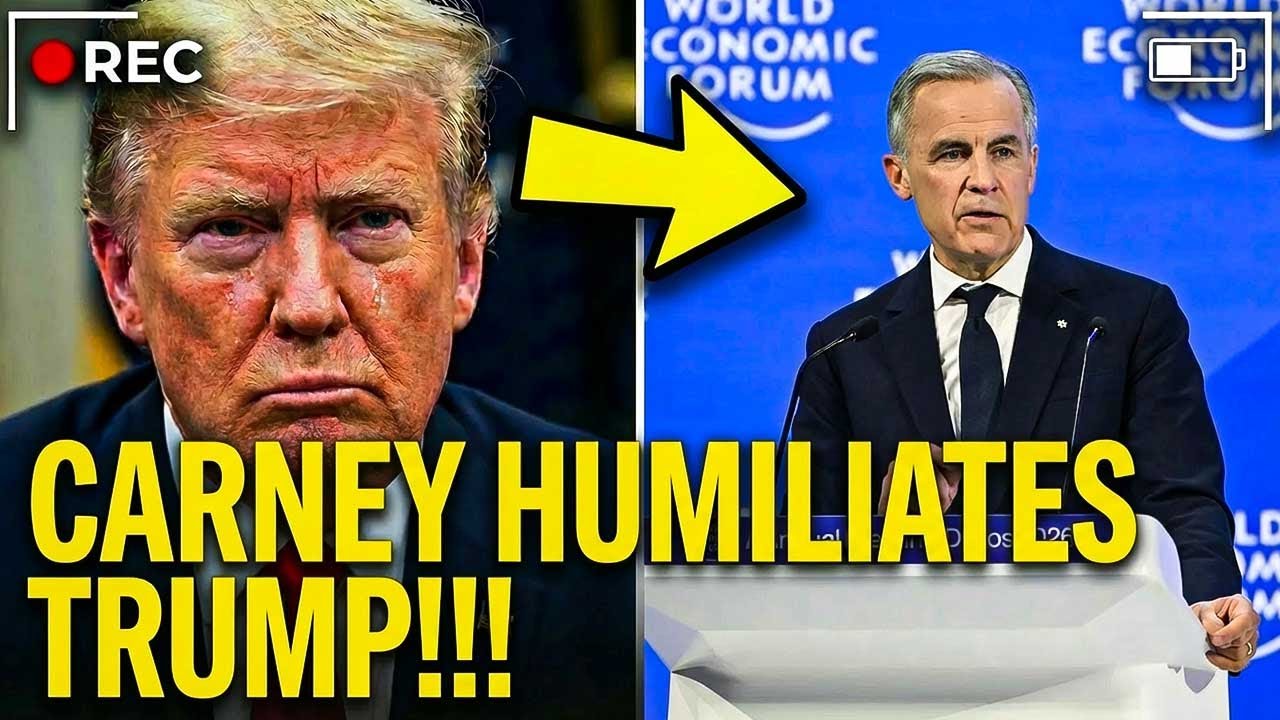
Integration, he warns, has become the mechanism of subordination. And then he delivers the sentence that instantly goes viral:
“If you are not at the table, you are on the menu.”
The room erupts. A standing ovation at Davos — rare, unmistakable, electric. World leaders praise the speech as historic.
Commentators call it a manifesto for middle powers. And somewhere across the Atlantic, Donald Trump is watching… furious.
Within hours, the response comes. Trump lashes out on social media, threatens 100% tariffs on Canadian goods, calls Carney “Governor,” and claims Canada only exists because of the United States.
The shift is whiplash-inducing. Just days earlier, Trump had praised Canada’s new trade deal with China, calling it “a good thing.”
Now? Economic annihilation.
And that’s where the lies begin.
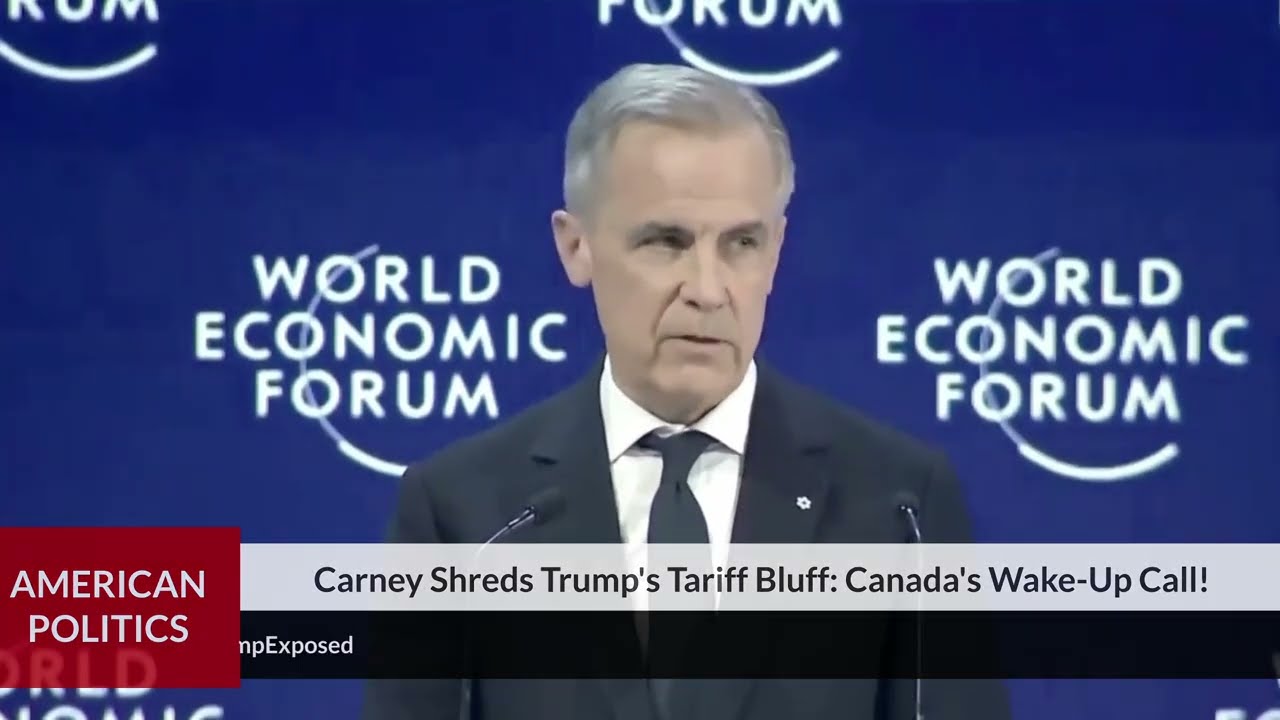
Treasury Secretary Scott Bessent goes on television claiming Carney panicked after Davos — that he called Trump to apologize, to grovel, to walk everything back. Except it never happened. When asked directly, Carney doesn’t hedge. He rolls his eyes.
“To be absolutely clear,” he says, “I meant what I said in Davos.”
Either America’s Treasury Secretary fabricated a diplomatic conversation — or the White House is now inventing reality on the fly. Either way, credibility takes another hit.
So what really scared Trump?
Not tariffs. Not trade deficits. Independence.
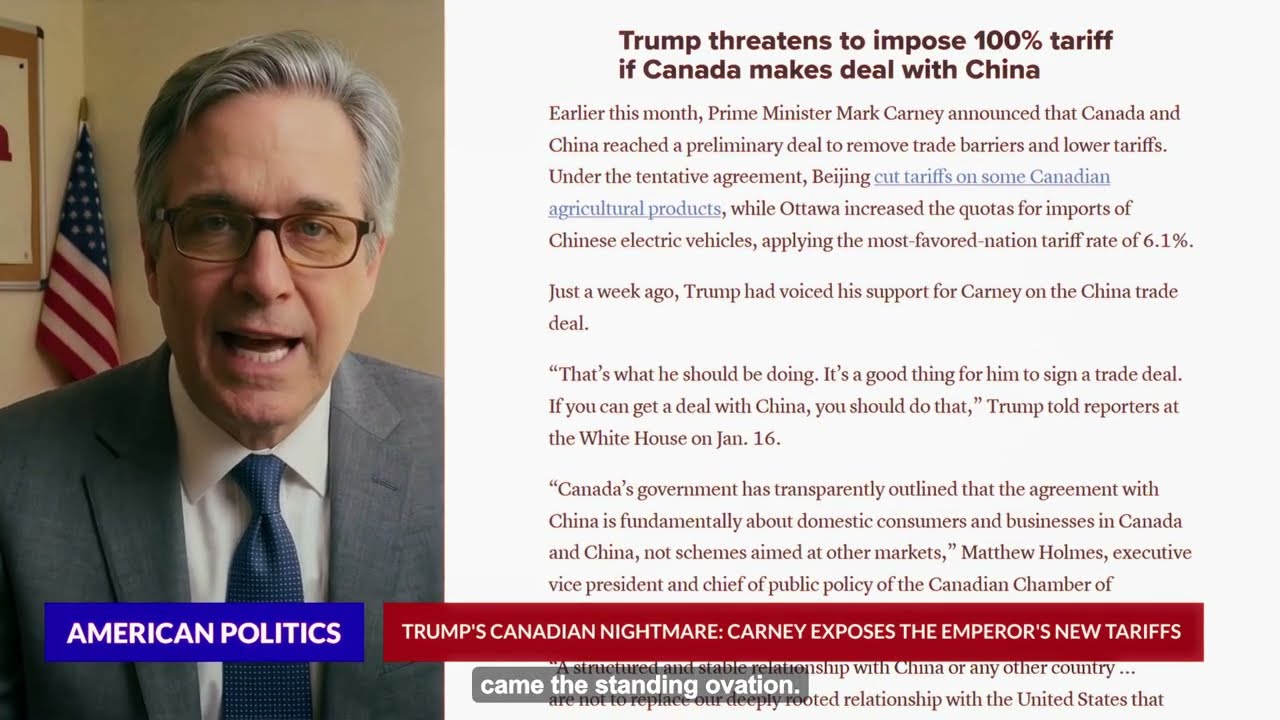
On January 16, Canada announced a strategic agreement with China: reduced tariffs on Canadian agriculture in exchange for limited access for Chinese electric vehicles. Trump’s initial response? Approval. Encouragement. “That’s what he should be doing.”
Then came Davos. Then came the applause. Then came headlines framing Carney as a new voice of global leadership.
Eight days later, the same deal became grounds for punishment.
Nothing changed — except who got the spotlight.
Trump’s narrative collapses the moment numbers enter the room. U.S.–Canada trade totals over $760 billion a year, roughly $2.7 billion every single day. Canada is the top export destination for 36 U.S. states.
Remove energy, and the U.S. actually runs a trade surplus. Add energy back in, and the reality gets even more uncomfortable: Canada supplies the majority of U.S. crude oil imports, most electricity imports, and is the largest foreign source of steel, aluminum, and uranium.
Threaten Canada, and you don’t weaken an ally — you detonate your own supply chains.
That’s why Trump’s tariff threats look less like strategy and more like panic.
Meanwhile, Canada isn’t just talking. It’s hitting back — quietly, effectively, and without government mandates. A nationwide consumer boycott of American goods is accelerating. Major U.S. brands report sales collapses in Canada.
American liquor pulled from shelves. Canadian travel to the U.S. down sharply. Tourism losses mounting. This isn’t policy — it’s people voting with their wallets.
And Carney? He’s doing the one thing Trump can’t stop.
He’s building alternatives.
In six months, Canada has signed 12 trade and security agreements across four continents. Deeper ties with Europe. New channels in Asia. A growing coalition of what Carney calls “middle powers” — nations too large to bully, too connected to isolate.
At Davos, Carney didn’t even say Trump’s name. He didn’t need to. Everyone knew exactly who he meant when he warned about great powers using tariffs, finance, and infrastructure as weapons.
The global reaction said everything.
Trump’s reaction said even more.
Insults. Nicknames. Hockey jokes. Claims that China will somehow ban Canada from playing the sport it literally invented. This is how the leader of the world’s largest economy responds to being intellectually outpaced.
And here’s the most dangerous part for Washington: Canada is no longer afraid.
When asked about Trump’s threats, Carney smiles and calmly translates them as positioning. Bluster. Noise. The spell is broken. Once intimidation stops working, leverage evaporates.
A mandatory review of the USMCA looms later this year. Trump now calls the deal he once bragged about “irrelevant.” Canada is already preparing for a future where Washington’s approval is optional.
Carney said the old order is dead. Not dying — dead.
And Trump’s response proves the point.
This isn’t strength. It’s insecurity. A president who can’t tolerate being upstaged. A superpower discovering that allies can walk away. A tantrum masquerading as policy.
Canada didn’t shout. It didn’t threaten. It stood up, told the truth, and kept moving.
And that’s what scared Donald Trump the most.