A calculated diplomatic maneuver has dramatically shifted the geopolitical landscape, turning a high-stakes trade confrontation into a moment of profound strategic defiance. President Trump’s enforcement of new tariffs against Canada, effective August 1st, has been met not with submission but with a masterstroke of foreign policy that has left Washington reeling.

The administration’s long-anticipated deadline arrived with characteristic bombast, framed as a decisive victory for American economic interests. “It’s always been August 1st,” President Trump stated, positioning the tariffs as an unyielding enforcement of his agenda. The move was designed as a classic pressure play, aiming to force Ottawa into immediate concessions under the weight of potential economic disruption. Instead of the expected scramble, Canada responded with a silence that was profoundly strategic. While Washington awaited a reactive counter on trade, Canadian officials were meticulously planning a move that would reframe the entire confrontation on a global stage. That plan culminated in Prime Minister Mark Carney’s announcement of Canada’s formal recognition of Palestinian statehood. This single decision instantly transformed the bilateral trade dispute into a multilateral diplomatic issue. By taking a principled stand on a deeply sensitive international matter, Canada seized the moral high ground and fundamentally altered the optics. The United States was suddenly positioned to potentially retaliate against a ally for a stance on human rights and self-determination.
The immediate reaction from the White House was a stunned, one-word post on social media: “Wow.” This visceral, off-script response signaled a clear disruption of Washington’s game plan. The administration’s leverage, predicated on controlling a narrow economic narrative, evaporated as the conversation expanded to encompass global statecraft and principle. Beneath this diplomatic gambit lay a foundation of meticulous economic preparation. Canadian analysis revealed the new tariffs would affect only approximately five percent of goods exported to the United States. The overwhelming majority of trade remained protected under the existing USMCA framework, a shield built through years of careful export structuring.
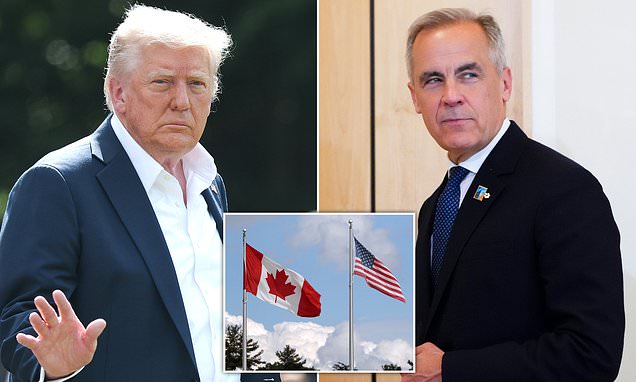
This insulation allowed Canada to absorb the intended blow without panic. The government’s calm was not an act of desperation but a reflection of confidence. The loud, public tariff announcement from Washington landed as a symbolic gesture against a partner that had already secured its defenses. The Canadian strategy extended beyond mere defense. Ontario’s premier announced a pivotal shift in industrial policy, declaring that raw aluminum would now be processed into finished products domestically rather than shipped to American factories. This move directly reclaims billions in value and high-skilled jobs, signaling a historic turn toward economic self-reliance.
Simultaneously, Canadian leaders began explicitly highlighting the nation’s immense economic weight. Canada purchases more American goods than Japan, Korea, China, the United Kingdom, and France combined. This purchasing power supports millions of U.S. jobs, a reality that underscores the mutual and potentially precarious nature of the leverage Washington sought to wield. A quiet but sweeping reorientation of procurement and supply chains is now underway. Government contracts are shifting away from American suppliers, provincial liquor boards are removing U.S. products, and energy projects are prioritizing domestic partners. These are not temporary negotiating tactics but structural changes to build a more resilient, independent economy.
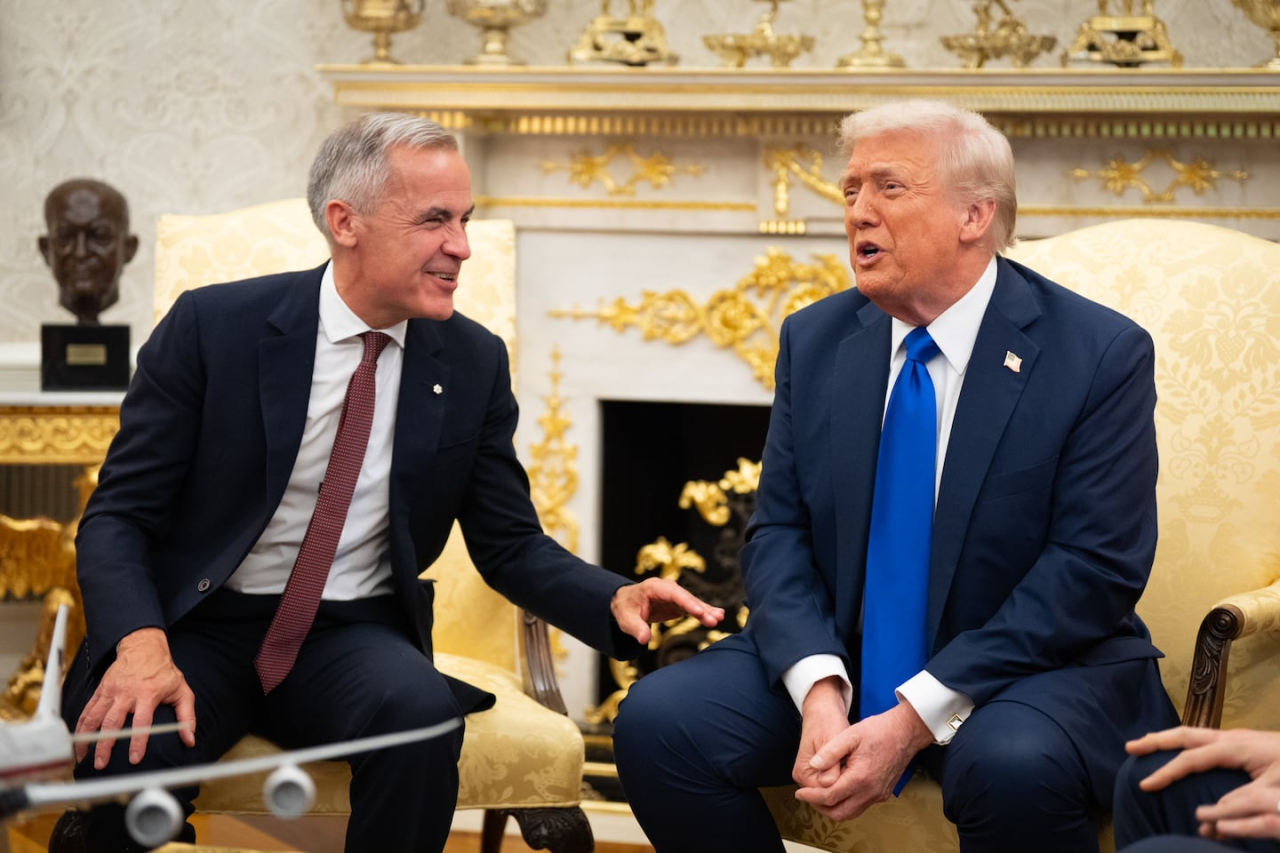
The backlash within the United States is amplifying Canada’s position. Senator Tim Kaine noted a growing consumer aversion to American goods in Canada, while U.S. farmers and manufacturers are questioning the cost of the confrontation. As economic pain filters down to voters, the political calculus in Washington becomes increasingly fraught.
Prime Minister Carney’s move on Palestine was the catalyst, but the outcome was forged in Canada’s strategic patience and detailed preparation. The nation refused to enter the reactive, volatile arena preferred by the Trump administration, choosing instead to operate on a longer timeline and a broader field. The result is a fundamental redefinition of the bilateral relationship. The image of a compliant neighbor has been shattered, replaced by a unified and assertive nation demonstrating that economic strength and political principle can be wielded together. The attempt to force submission through public pressure has instead galvanized a concerted drive toward sovereignty.
This episode reveals a stark contrast in governing philosophies. One side relies on dramatic, unpredictable actions aimed at immediate headlines. The other employs quiet calculation, legal preparedness, and strategic timing to secure long-term interests. The latter approach has, in this instance, proven decisively more effective. Canada emerges from this confrontation not weakened but strengthened, with a clearer path to industrial independence and a more influential voice on the world stage. The tariffs meant to blow up in Ottawa’s face have detonated at their point of origin, leaving a confident Canada walking away on its own terms. The balance of power has subtly, yet unmistakably, shifted.