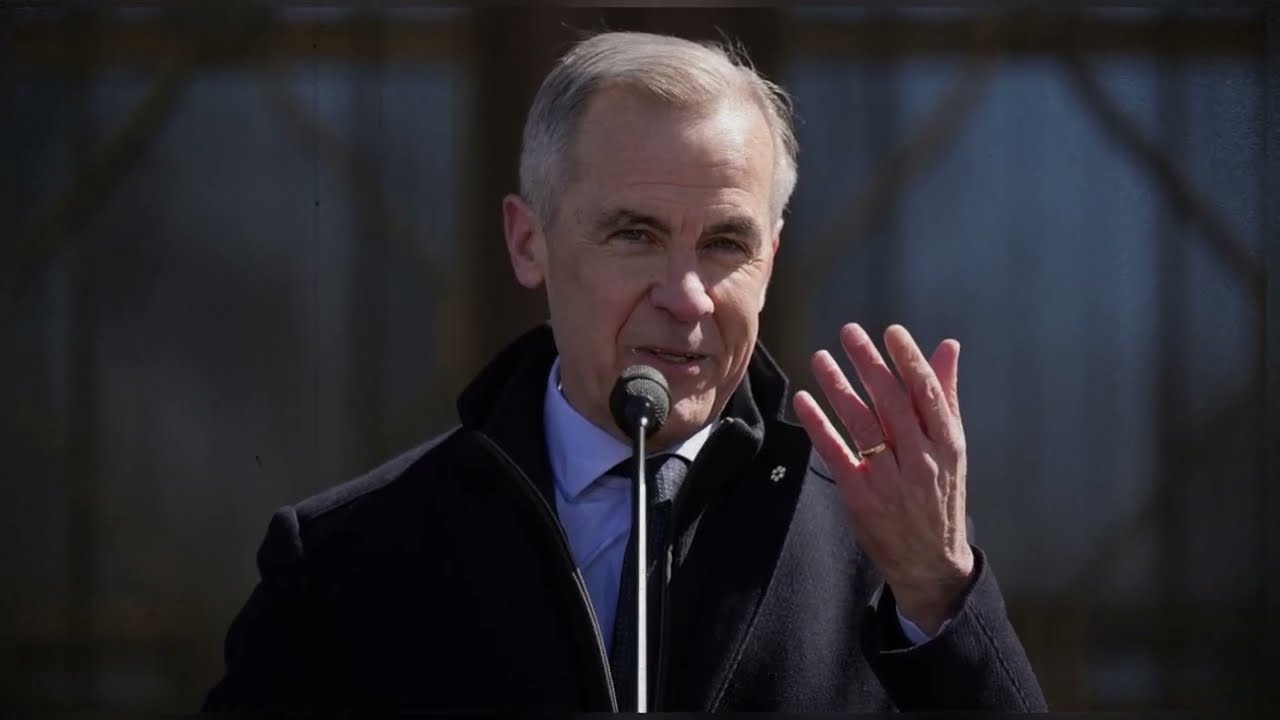
Canada just delivered a trade message so blunt it reportedly stunned Washington: hands off our dairy system. And Prime Minister Mark Carney didn’t soften it, spin it, or dress it up as “ongoing discussions.” He drew a line — and then acted like the line had always been there
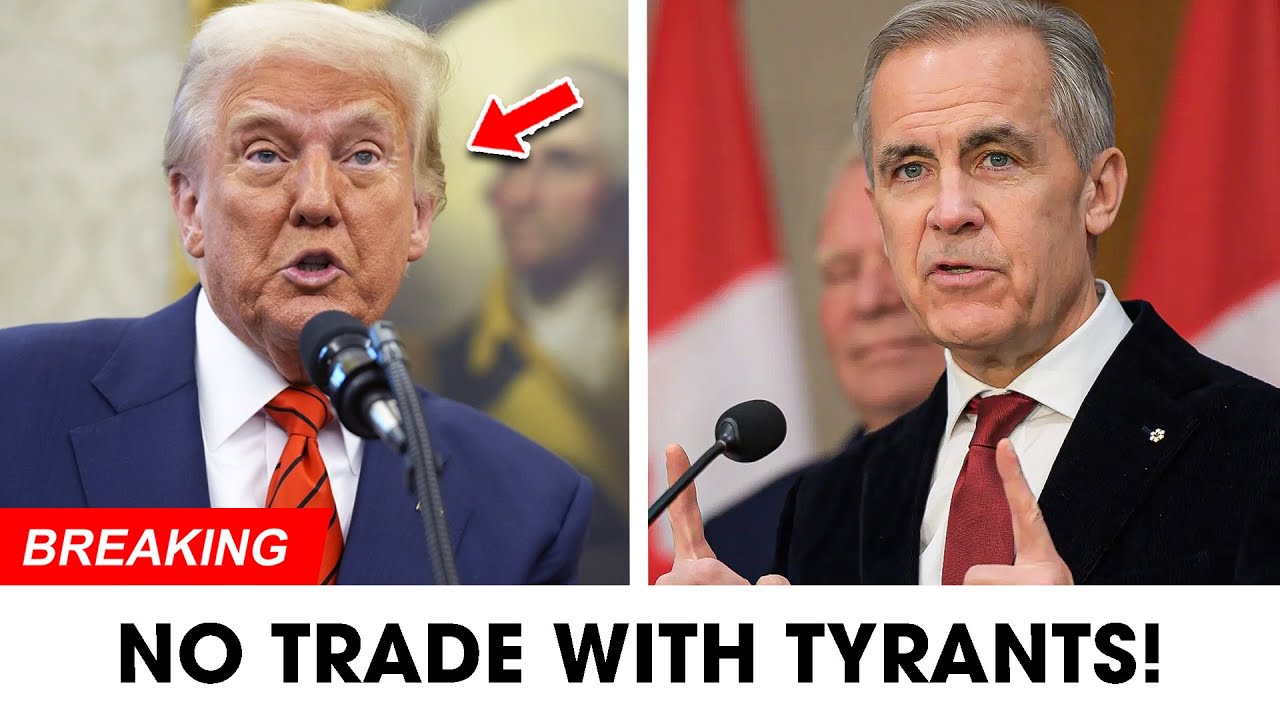
For months, conventional wisdom said Canada would eventually cave. The argument was simple: Canada is smaller, and the U.S. buys the bulk of Canadian exports. Under enough pressure, analysts expected Ottawa to offer symbolic concessions — something to keep the relationship stable and prevent the next wave of trade turbulence.
Then the U.S. made its move.
According to recent reporting, U.S. Trade Representative Jamieson Greer laid out Washington’s priorities as the countries head toward the USMCA/CUSMA review: complaints about Canada’s dairy policies, rules affecting digital platforms like streaming and social video, and provincial decisions tied to U.S. alcohol products. But the center of gravity wasn’t subtle — dairy was framed as the core condition for a successful negotiation.
In other words: this wasn’t “a concern.” It was a pressure point.
And it comes with history. During Trump’s first term, the U.S. secured limited, tariff-free access to a portion of Canada’s dairy market through the USMCA/CUSMA framework — but U.S. dairy interests have been signaling that they want more.
Carney’s response, however, was not a negotiation posture. It was a sovereignty posture.
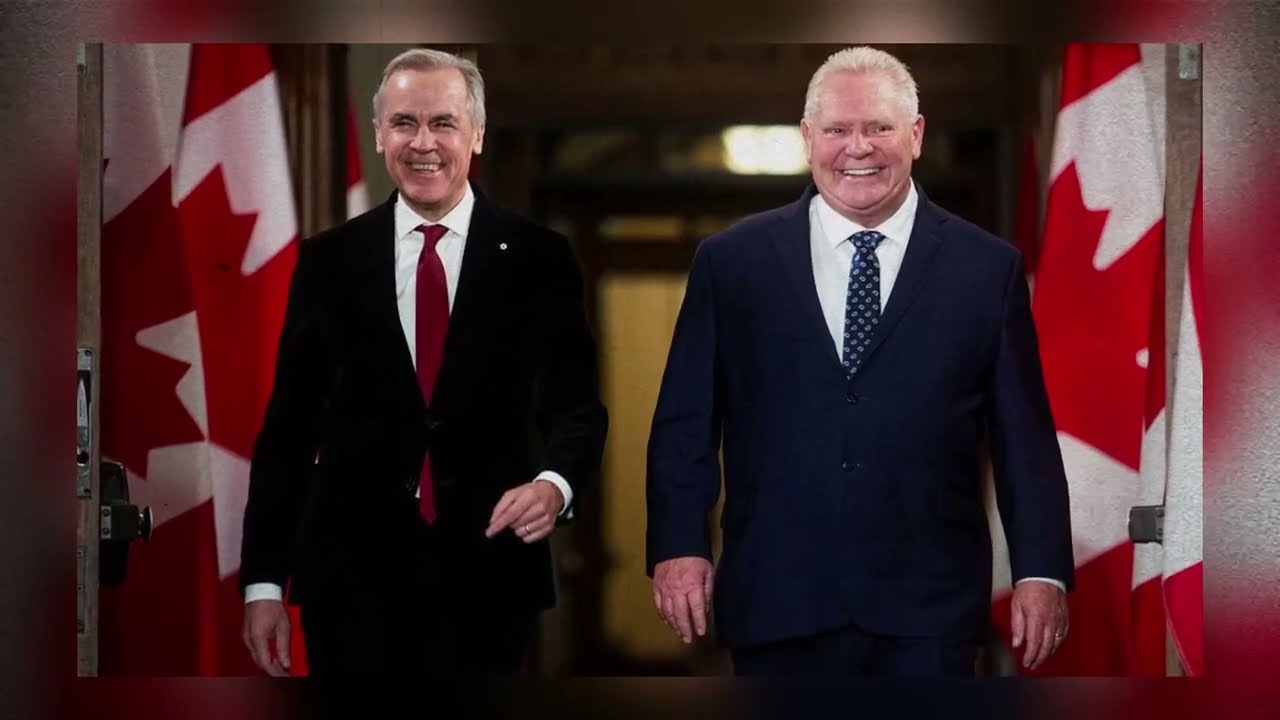
Recent Canadian coverage has described Carney reiterating that supply management is not up for negotiation even as the U.S. pushes to change dairy rules. And here’s the part that felt deliberate to many watching: Carney’s government didn’t treat Washington’s framing as something Canada had to justify. The message wasn’t “let’s debate the mechanics.” The message was: this system exists because Canada chose it — and Canada is keeping it.
That matters because supply management isn’t some dusty technical policy. It’s the architecture behind price stability and farmer income in dairy (and often poultry/eggs), and it’s politically charged — especially in provinces where it’s tied to rural economic survival and identity.
But the real drama is what happens next.
The formal CUSMA review process is expected to begin July 1, 2026, and it ties directly to the agreement’s long-term “extension or annual review” pathway through 2036, depending on whether the parties agree to extend. That timeline turns every “precondition” into a high-stakes ultimatum: either the U.S. accepts Canada’s boundary and negotiates around it — or it escalates and risks a broader rupture.
And there’s already proof of how fragile things can get.
Late October 2025 saw trade tensions flare after Ontario ran an anti-tariff advertisement quoting Ronald Reagan, and reporting indicates the episode contributed to talks being abruptly halted before Ontario later suspended the ad amid the dispute. If negotiations can be derailed by an ad campaign, what happens when Washington insists on dismantling a decades-old Canadian farm system?
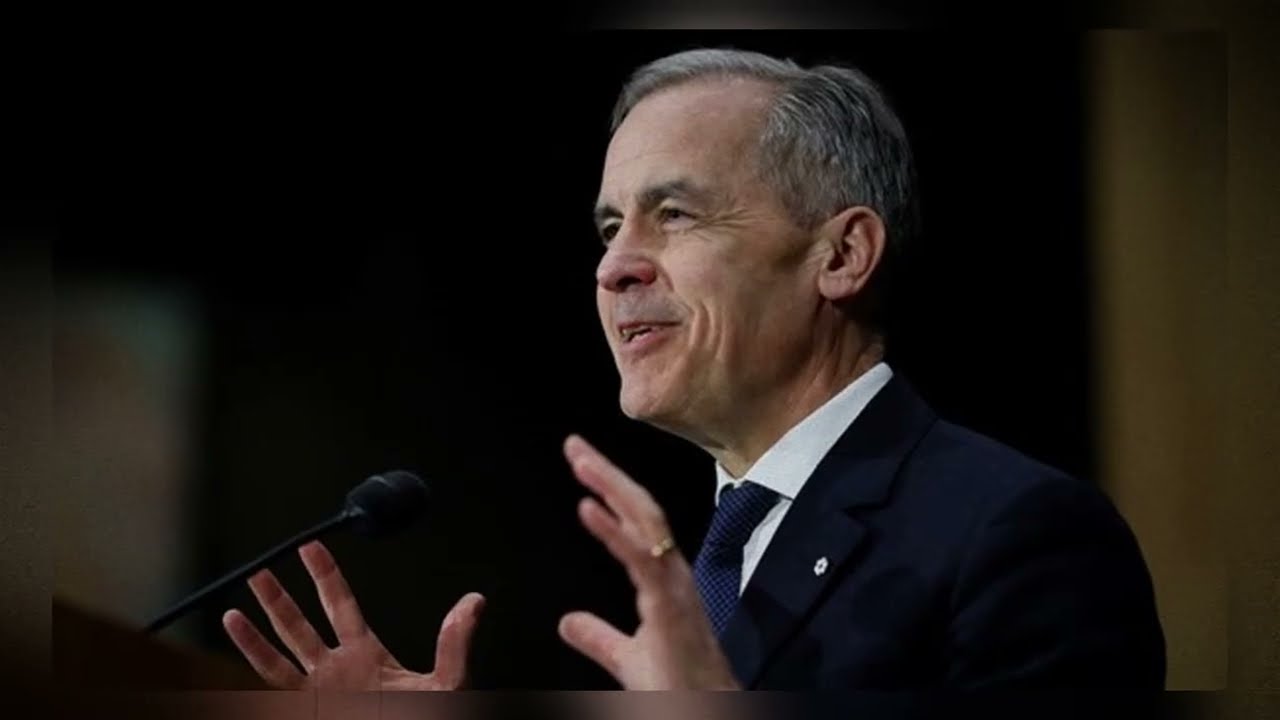
Carney’s camp is also signaling it’s preparing for the long game. Canada has been positioning its U.S. team for the coming review, including naming Mark Wiseman as ambassador to Washington starting February 15, 2026, explicitly as the USMCA/CUSMA review approaches.
So what happens next?
If Washington doubles down, the dispute stops being “about dairy access” and becomes a test of whether the U.S. can treat Canadian domestic policy as negotiable on demand. If Washington backs off, it tacitly admits there are limits to its leverage — even over a deeply intertwined partner.
Either way, Carney’s “no” just changed the temperature of every corridor in North American trade. And the closer the 2026 review gets, the more every side will be forced to decide: is this a negotiation — or a dare?