A single week in March 2026 has laid bare a dramatic split in global leadership, with one president facing outright rejection from longtime partners while Canada’s prime minister quietly builds a web of independent relationships.
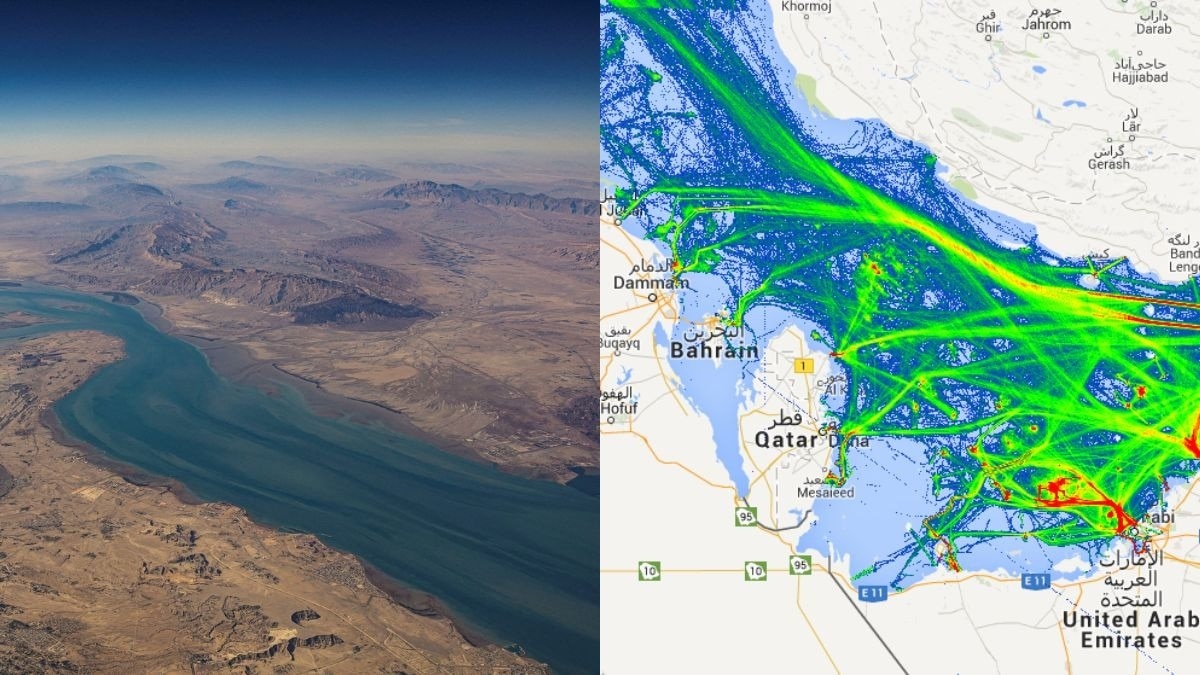
The crisis began on February 28 when U.S. and Israeli strikes on Iran killed Supreme Leader Ali Khamenei. Iran retaliated by closing the Strait of Hormuz, the vital 21-mile waterway that normally carries one-fifth of the world’s oil and LNG.
Oil prices spiked sharply, driving up costs for heating and fuel across North America.
Donald Trump responded by demanding help. On March 14 he posted on Truth Social that China, France, Japan, South Korea, the United Kingdom and others had agreed to send warships to reopen the strait. He presented the coalition as already formed.
The allies disagreed. Germany’s Chancellor Friedrich Merz stated flatly that “this war has nothing to do with NATO.” France’s President Emmanuel Macron ruled out participation. Japan cited legal issues, while Australia and Norway offered no commitment. Italy and Greece also declined.
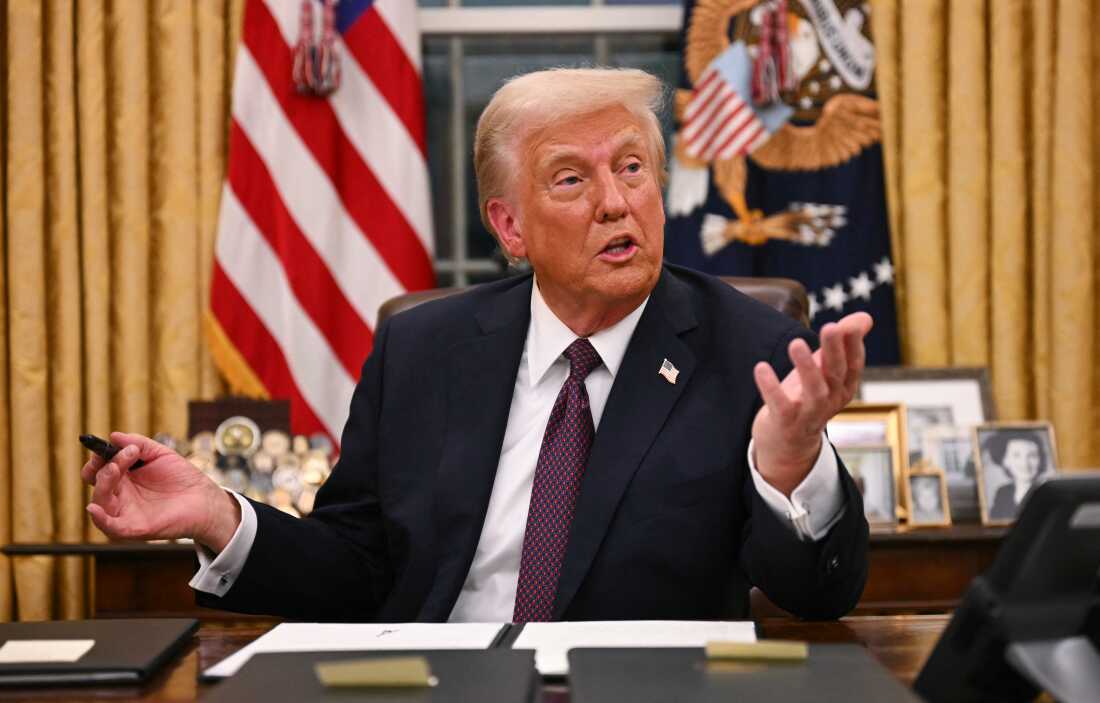
Just one day later, Donald Trump stood in the Oval Office beside Ireland’s prime minister and reversed himself. “We don’t need any help, actually,” he declared. Reports described private fury, with Senator Lindsey Graham warning of “repercussions wide and deep.”
While Washington scrambled, Mark Carney was executing a very different playbook.
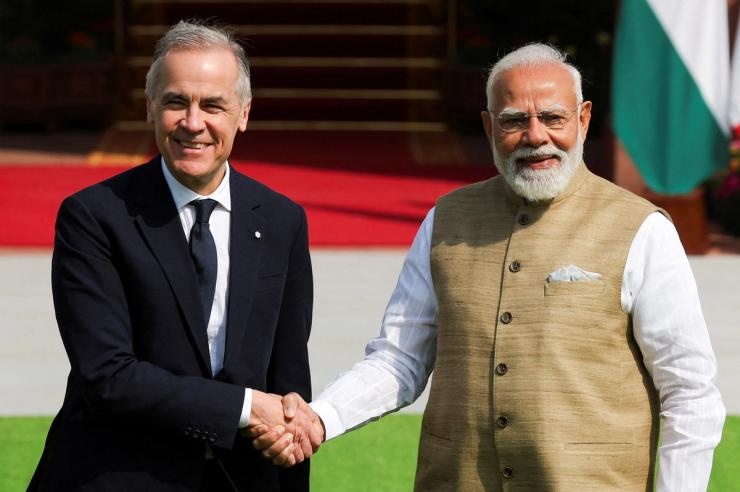
The Canadian prime minister, who has led the country since March 2025, spent the same period on a 68-day international tour. In India he signed multibillion-dollar agreements with Prime Minister Narendra Modi covering nuclear cooperation, critical minerals, and renewable energy, with talks underway for a full trade pact by year’s end.
He addressed Australia’s parliament, stressing new alliances not centered on Washington.
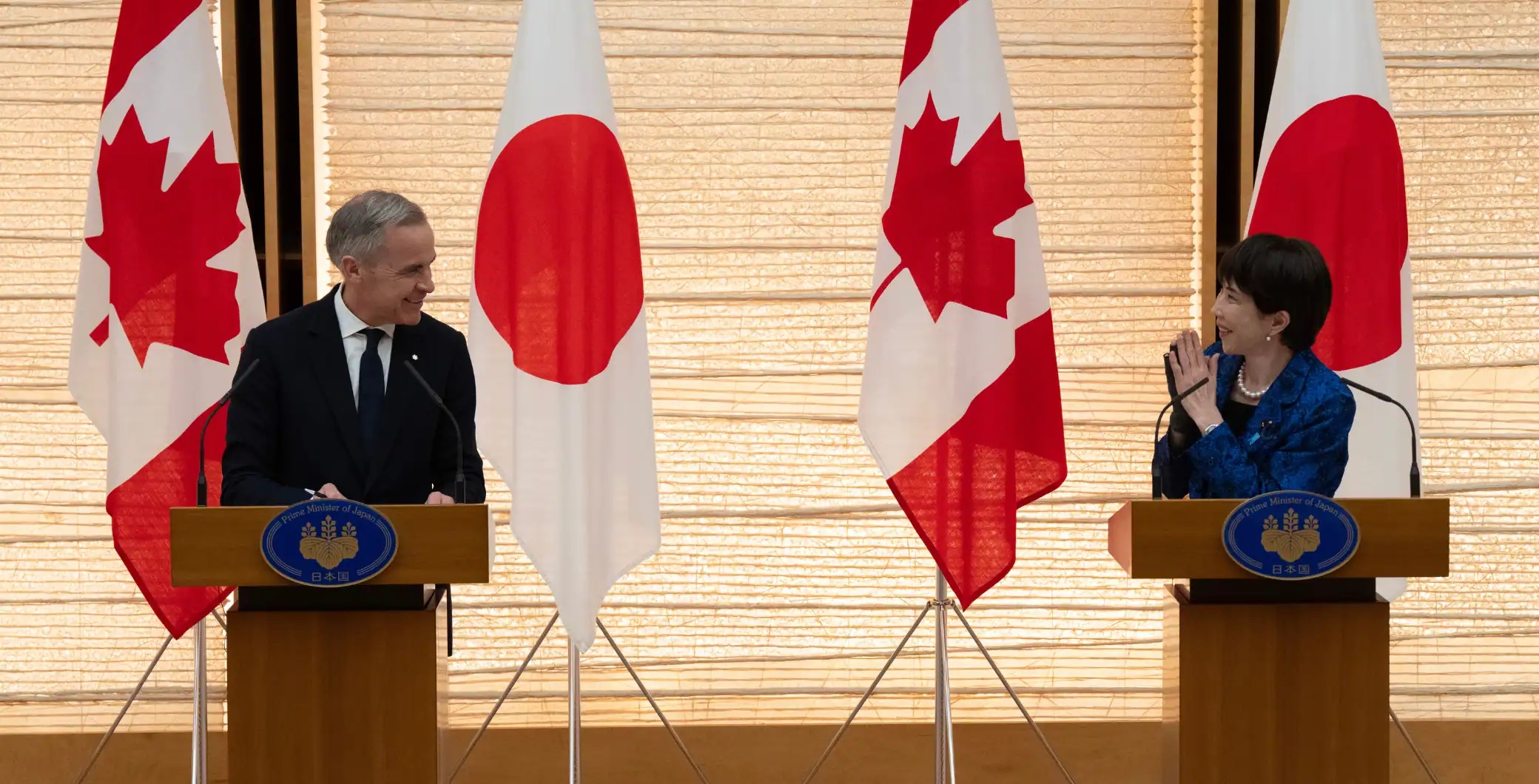
In Tokyo, Mark Carney signed a landmark strategic partnership with Prime Minister Sanae Takaichi. The deal covers defense, energy security, AI, and decarbonization; Carney delivered part of his remarks in Japanese.
At the Arctic Circle in Norway, he joined Prime Minister Jonas Gahr Støre and German Chancellor Friedrich Merz for major NATO exercises involving 25,000 troops from 14 nations. The three leaders issued a joint statement on energy stability.
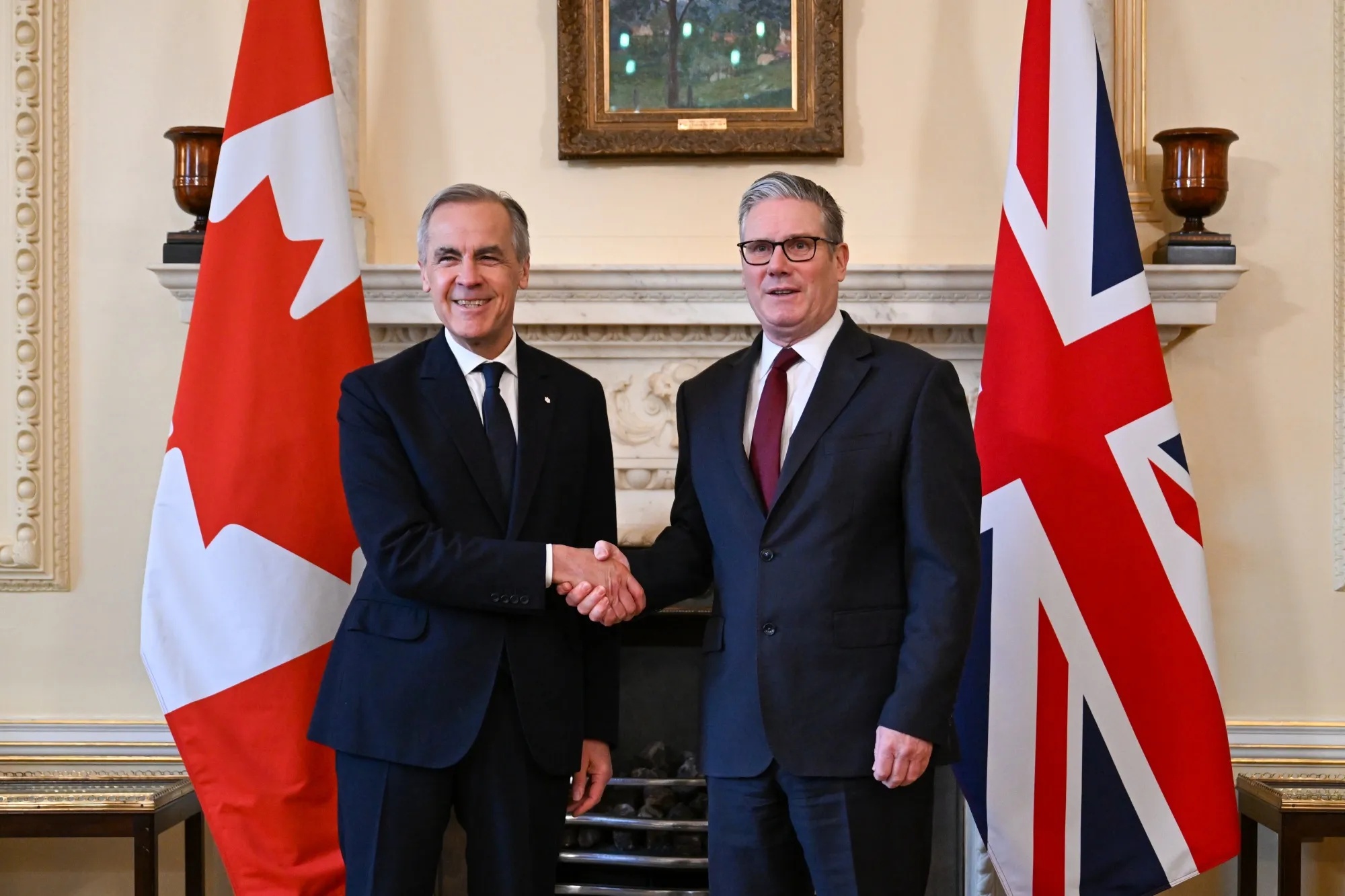
In London on March 16, Carney met UK Prime Minister Keir Starmer at 10 Downing Street, marking Carney’s 61st birthday. They discussed the Middle East crisis and shipping protection, with both countries agreeing to stay out of offensive operations.
Mark Carney stated Canada’s position clearly: “Canada will never participate in the United States and Israeli offensive. Never.” He added that Canada supports efforts to prevent Iran from obtaining nuclear weapons “but with regret because… acted without engaging the UN or consulting allies.”
The strategy reflects years of preparation. At Davos in January, Carney warned, “We are in the midst of a rupture… great powers using economic integration as weapons.” He has focused on building “optionality” so Canada is not dependent on any single partner.
With the CUSMA trade agreement facing its formal six-year review on July 1, 2026, these moves take on added weight.
Mark Carney’s measured diplomacy stands in sharp contrast to the impulsive demands and quick retreat seen in Washington.
Recent polling shows 75 percent of Canadians oppose military involvement. As energy markets remain tense and the July review deadline looms, Ottawa’s approach of patient relationship-building has left Canada better positioned than many expected. The events of the past week raise a pointed question: in today’s fractured world, which model of power actually delivers results?