The room was dressed for football and unity—but what unfolded looked more like a geopolitical turning point.
On December 5, 2025, at the Kennedy Center in Washington, three leaders stood shoulder to shoulder for the FIFA World Cup draw. Cameras expected smiles and symbolism. Instead, the moment exposed a widening fault line in North American politics. Mark Carney and Donald Trump shared a stage—but not a strategy. And while Trump postured, Carney arrived with leverage Washington didn’t see coming.
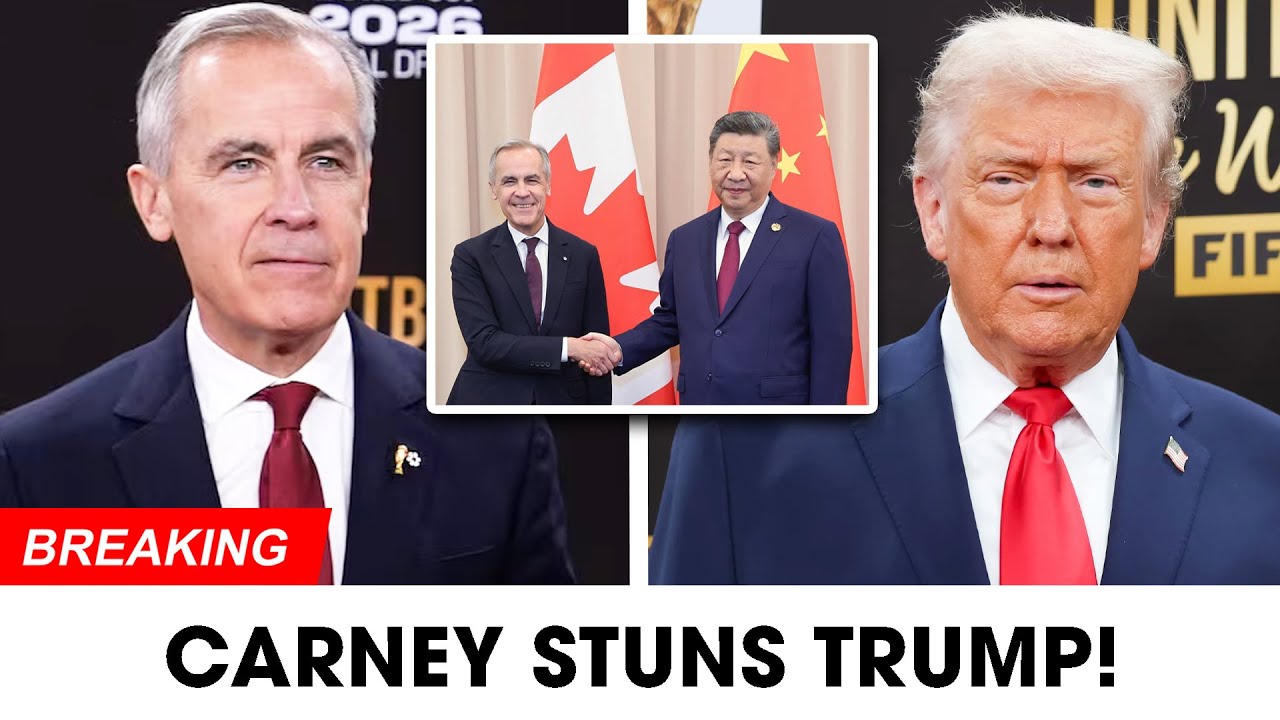
Just weeks earlier, Trump had declared trade talks with Canada “over,” erupting after a brief Ontario ad criticized historic tariff policies. The message was blunt: comply or be frozen out. But Canada didn’t blink. Carney didn’t chase Trump—he rerouted Canada’s future.
While Washington slammed doors, Carney opened new ones. In late October, he traveled to Asia, quietly resetting Canada’s global posture. In South Korea, he met leaders at APEC. Then came the moment that stunned diplomats: a 40-minute meeting with China’s Xi Jinping—the first such encounter between a Canadian prime minister and China’s president in eight years. When Carney emerged, he used a phrase that landed like a thunderclap in Washington: “a turning point in diplomacy.”
The timing mattered. Trump had assumed pressure would force Canada back to the table. Instead, Canada stepped into a $17 trillion market with energy, minerals, lumber, and agriculture—exactly what China needs. Xi’s response was immediate: an official invitation for a state visit. One week after Trump cut talks, Beijing rolled out the red carpet.

The implications rippled fast. China is Canada’s second-largest trading partner, and Ottawa’s corridors buzzed with talk of pragmatic resets—possibly easing EV tariffs in exchange for reopening Chinese markets to Canadian canola, pork, and seafood. Prairie farmers, hit hard by retaliatory measures, suddenly saw daylight. Even conservative provincial leaders broke ranks, signaling that economic survival—not symbolism—would guide decisions.
Back in Washington, the optics were brutal. At the Kennedy Center, Trump stood beside a prime minister he’d tried to corner—now visibly uncornered. There was no Oval Office meeting scheduled. No bilateral talks. Just a brief exchange arranged by FIFA. When asked when he last spoke with Trump, Carney shrugged it off: “Who cares.” Two words that captured a strategy—don’t escalate, diversify.
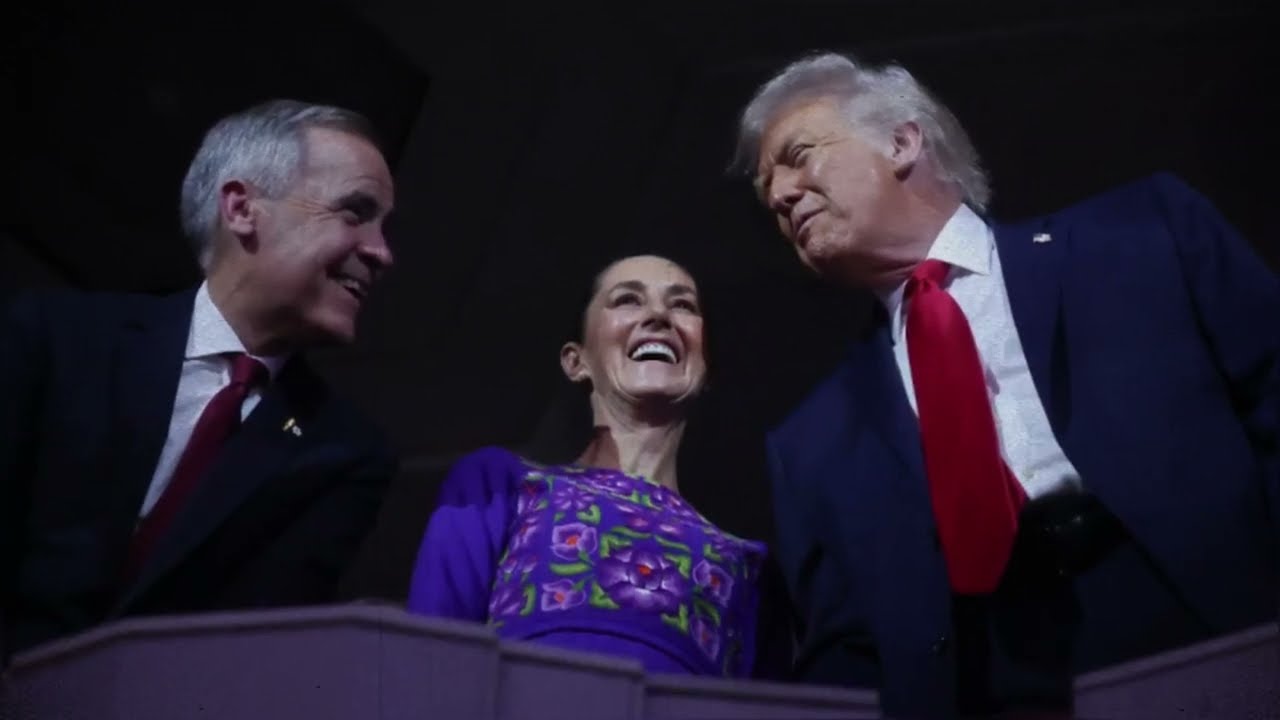
This wasn’t a one-off. Canada had already become the first non-European country to join the EU’s SAFE defense initiative, unlocking access to a €170 billion security and industrial program. Trade with the UK surged. An Arctic radar deal with Australia moved forward. Mexico and Canada deepened coordination. Canada wasn’t pivoting away from the U.S.—it was building options.
That context makes the coming 2026 CUSMA review the real pressure point. Trump has openly floated letting the deal expire or rewriting it to tilt the field. Carney’s answer has been steady: Canada is ready when the U.S. is. Until then, Ottawa will keep widening the map.
Critics warn that engaging China carries risks—and they’re right. Human rights concerns, security risks, and supply-chain exposure are real. Carney hasn’t denied that. But his counter is colder and clearer: Washington’s unpredictability has costs too. Canada backed U.S. policy on EV tariffs—and was rewarded with new penalties anyway. Loyalty didn’t buy stability.
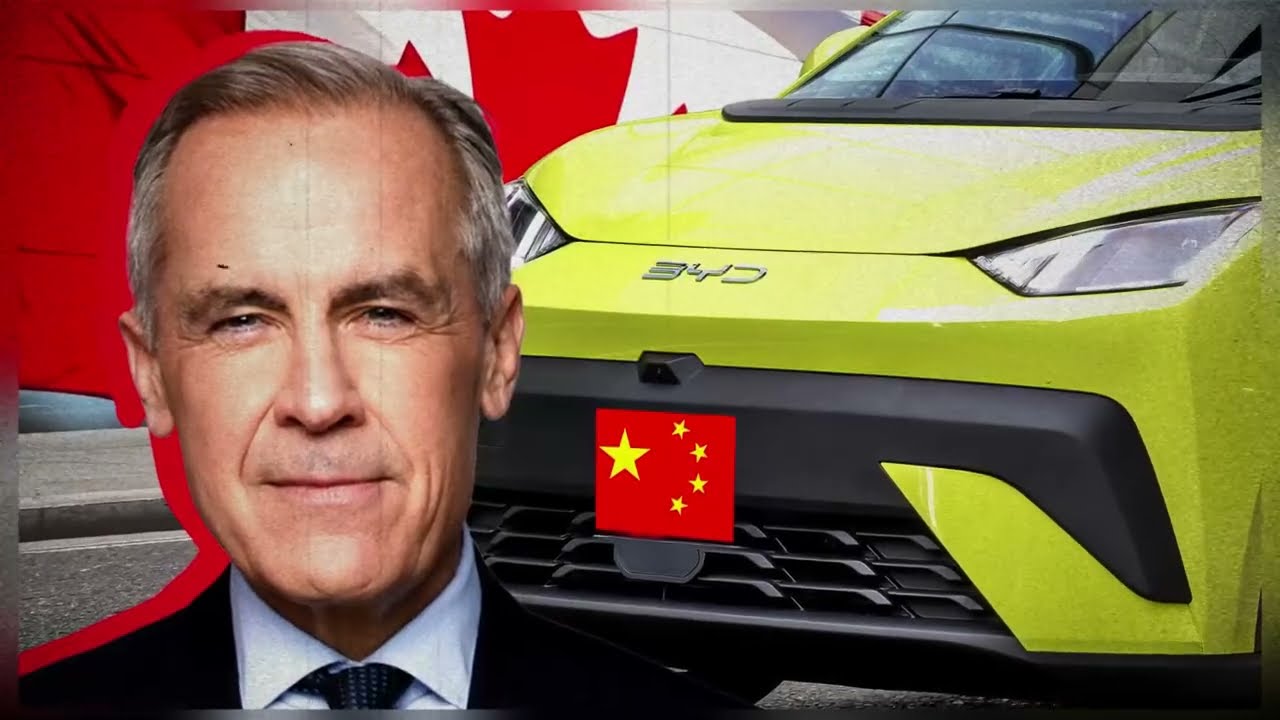
So Carney is choosing insulation over dependency. Engagement without illusion. Diversification without desperation. He isn’t choosing Beijing over Washington; he’s choosing Canada.
At a World Cup event meant to celebrate unity, the truth surfaced: the North American order is shifting. Pressure politics is losing its grip. Middle powers are learning to move without permission. And the man Trump tried to isolate just demonstrated—on a global stage—that Canada has options.
The game has changed. And everyone in that room knew it.