One minute, the line still had a future. The next, a policy switch in Ottawa made every U.S.-built GM vehicle rolling into Canada look painfully more expensive—almost overnight. And in towns like Ingersoll, Ontario, where paychecks and pride were tied to the BrightDrop electric van, the shock didn’t feel like “market demand.” It felt like the floor giving way.
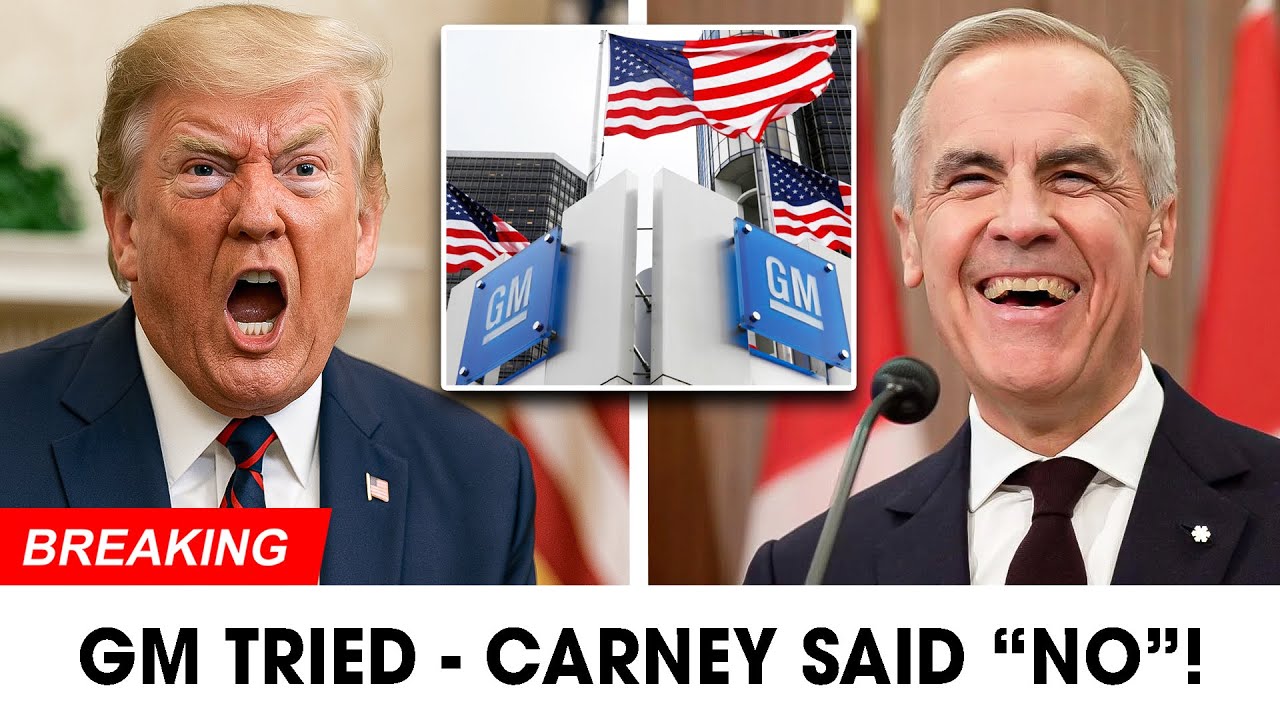
General Motors has been under pressure for months after slow sales and swelling inventory forced the company to pause BrightDrop EV van production at its CAMI Assembly plant in Ingersoll. In April 2025, GM confirmed a shutdown through much of the spring and summer, with a brief restart and then idling the plant until October, along with major layoffs and a plan to return on a single shift.
But what started as a production slowdown quickly turned into a political flashpoint—because Canada just made it far harder for automakers to treat Canadian jobs like optional fine print.

According to Reuters, Canada cut GM’s tariff-free import quota for U.S.-assembled vehicles by about 24.2% and slashed Stellantis’ by 50%, arguing the companies failed to meet commitments under the country’s auto remission framework—a rulebook designed to reward firms that keep real production and investment in Canada. And here’s the part that hits like a hammer: Ottawa had warned earlier in the year that 25% counter-tariffs could land on U.S.-built imports if companies didn’t comply.
That’s not a talking-point threat. That’s leverage—written into the math of sticker prices.
In practical terms, it means the “easy” path—build in the U.S., sell into Canada, and quietly scale back Canadian production—just got riskier and more expensive. Dealers can’t absorb that kind of hit forever. Consumers don’t casually swallow thousands more on a monthly payment. And once those numbers start flashing on finance screens, headquarters stops treating Canada like background scenery.

Ottawa’s message wasn’t delivered with a dramatic podium speech. It was delivered in the language corporations fear most: enforceable rules.
Canada’s ministers were blunt, criticizing GM for pulling back operations tied to Oshawa and Ingersoll, and highlighting Stellantis’ cancellation of Brampton production plans. The implication was clear: if you want access to Canada’s market on favorable terms, you don’t get to “downshift” Canadian workers into uncertainty and call it business as usual.
For workers, none of this feels abstract. A temporary pause still wrecks a household budget. A shift reduction still changes a family’s future. And when a plant becomes a question mark—when timelines keep sliding and promises keep getting “retooled”—people stop believing the next update will be better than the last
That’s why Canada’s move is being watched far beyond autos. It’s a test of whether a country can stop negotiating from fear—fear of job losses, fear of investment fleeing, fear of being told “take it or leave it.” This time, Ottawa is essentially saying: we’re done leaving it to chance.
And the ripple effects don’t end at the border. Once Canada proves it can tighten the terms on tariff-free access, every major automaker has to recalibrate risk—quietly, urgently, and in boardrooms that suddenly feel less certain than they did yesterday.
Which raises the question nobody can dodge now: if Canada has finally found a way to make corporate commitments matter, what happens when the next company tries to walk away—and Ottawa decides it’s ready to pull the lever again?