
A seismic shift in global capital flows is underway, and a single corporate announcement from Toronto reveals a stark verdict on the political stability of the United States. An Australian infrastructure giant’s decision to anchor its North American future in Canada, not the U.S., signals a profound loss of confidence with long-term consequences.
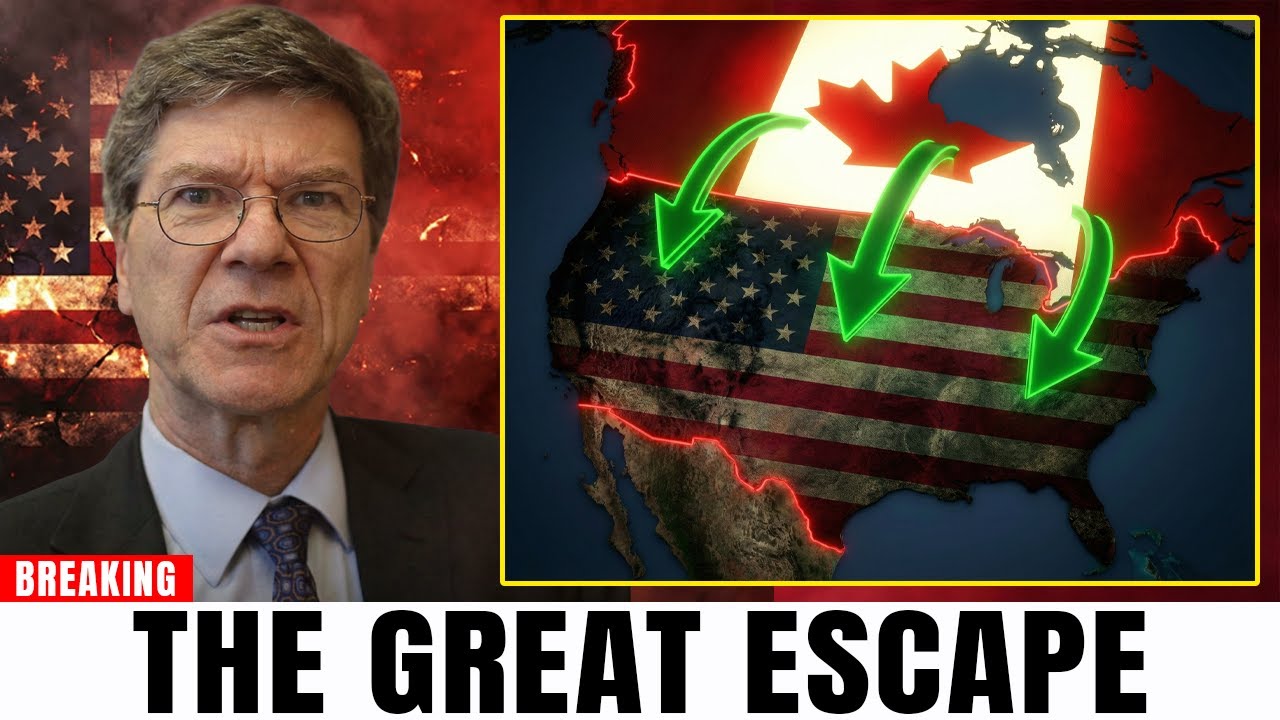
This move represents far more than a diplomatic snub. It is a calculated relocation of trust by the stewards of pension funds and sovereign wealth. These investors operate on 30- to 40-year horizons, seeking predictability above all else. Their choice is a quiet indictment of rising American volatility.
For years, the U.S. political and economic strategy has increasingly relied on tariffs, trade threats, and policy coercion. Sold domestically as toughness, this approach reads internationally as systemic risk. Capital interprets it as a warning that rules can change overnight based on political theater.
Conversely, Canada has meticulously cultivated a reputation for institutional boringness. Its message to long-term investors emphasizes partnership, regulatory consistency, and respect for contracts beyond election cycles. This dull reliability is catnip to patient capital building essential assets.
The capital in question is not speculative. It is the retirement savings of millions, tasked with funding ports, energy grids, and digital infrastructure for decades. When this money chooses a jurisdiction, it bets on which society will remain functional and trustworthy for a generation.
This decision disciplines governments through financial reality, not moral argument. Systems that generate chaos are punished with higher capital costs and investment flight. Systems offering stability are rewarded with the resources that build future economic gravity.
The immediate framing of a geopolitical win for Canada misses the structural truth. This is how capitalism silently reassigns global power. It moves not through speeches or summits, but through spreadsheets assessing institutional risk. The U.S. is failing that assessment.
Infrastructure investment shapes destinies. It determines where high-quality jobs are created, which tax bases grow, and which communities thrive. When this capital flows elsewhere, the erosion is slow but severe: deferred maintenance, stalled innovation, and rising public costs follow.
The American strategy of leverage and dominance misunderstands what modern capital seeks. It does not seek to be commanded; it seeks to be secure. Threats may yield short-term concessions but plant enduring seeds of mistrust that prompt global diversification.
For ordinary citizens, the implications are deeply concrete. They manifest in crumbling bridges, unreliable energy grids, and stagnant wages. These are the downstream results of capital’s quiet verdict, rendered years before the physical decay becomes impossible to ignore.
Markets are issuing a continuous, silent report card on governance. By the time the public feels the grade, the evaluation is long complete. This office opening in Toronto is one such grade, reflecting a calculated assessment of two diverging political cultures.
Economic sovereignty in the 21st century is defined not by nationalist rhetoric but by the capacity to foster long-term trust. Countries that protect institutional integrity become magnets for the capital that builds the future. Those that sabotage it for political spectacle are quietly abandoned.
The $242 billion referenced is not a one-time loss but a symbol of the capital stream now diverting. It represents the marginal investment decisions made daily by global allocators who now price American unpredictability into every long-term equation.
This moment reveals an uncomfortable truth: strength is not demonstrated through volatility but through predictable partnership. Capital’s migration is a rational response to a diminished belief that the U.S. system can reliably uphold its end of a decades-long bargain.
The reallocation of trust is the most consequential economic event of our time. It happens without fanfare, in boardrooms far from cable news panels. Yet it decides which nations will host the foundational assets of the next century and which will manage their decline.
As the global economy watches, the lesson is clear. You cannot bully long-term capital into loyalty. You can only build the institutional resilience that earns its confidence. The future is being built not where speeches are loudest, but where governance is most reliably dull.






