The $5.7 Billion Boycott: How Donald Trump Drove Canadians Away—and Crippled U.S. Tourism
Washington / Ottawa — $5.7 billion.
That is the estimated amount the United States tourism industry lost in 2025 because Canadians decided to stay home—or go elsewhere.
Not because of a recession.
Not because of exchange rates.
Not because of a pandemic.
But because Donald Trump spent a year treating Canada like a subordinate territory that should be grateful for American attention.
Canadians took it personally—and responded in the only way available to them as private citizens: they stopped spending their money in the United States.
What followed was one of the most consequential, least anticipated economic backlashes of Trump’s presidency: a mass, voluntary tourism boycott that devastated American communities dependent on Canadian visitors and revealed how fragile U.S. “soft power” had become.
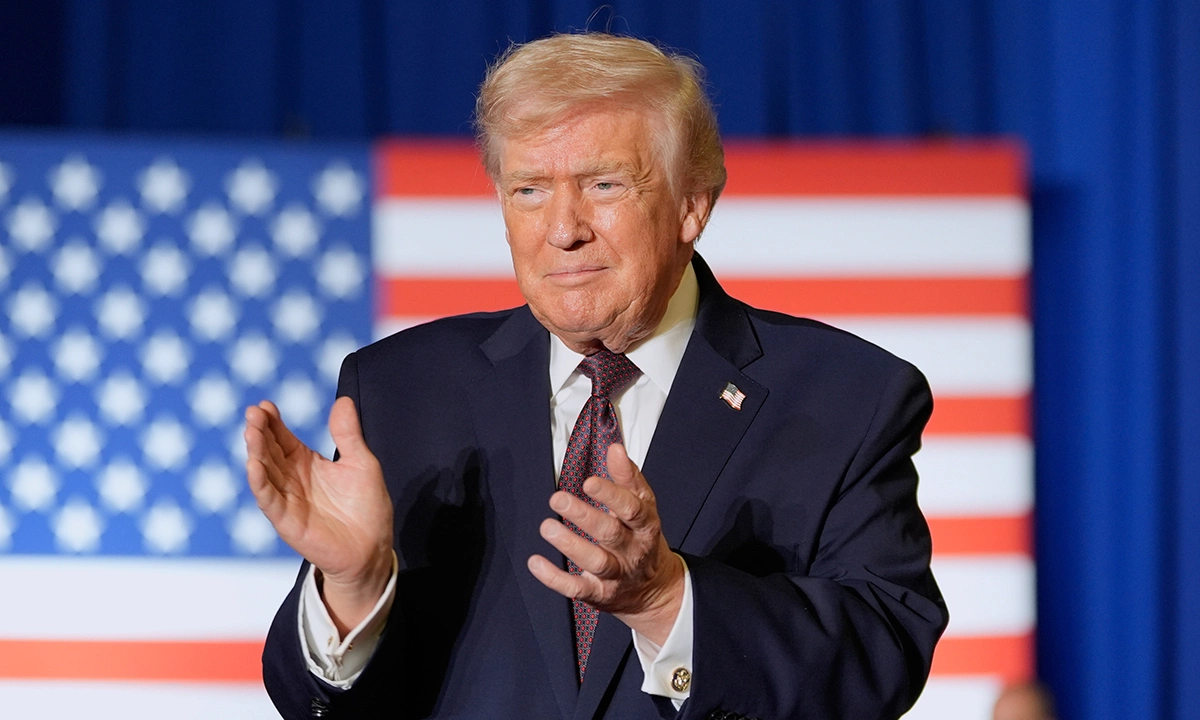
A Boycott Without a Law, a Leader, or a Command
This was not a policy enacted by Ottawa.
There was no government directive, no official sanction, no coordinated campaign.
It was 20 million Canadians, acting independently, deciding that if the president of the United States viewed them with contempt—talking openly about annexation, imposing punitive tariffs, and dismissing their sovereignty—they would take their vacation dollars somewhere they were actually welcome.
The economic damage was so severe that American senators began traveling to Ottawa to plead for relief.
The Numbers Behind the Collapse
According to the U.S. Travel Association, international tourism spending in 2025 fell by roughly 3.2%, translating to $5.7 billion in losses compared to the previous year. The association attributed the decline primarily to one factor: Canadians stopped coming.
Canadians are the largest source of international tourism to the United States, accounting for 28% of all foreign visitors. In 2024 alone, they spent $20.5 billion and made 20.4 million trips across the border to shop, vacation, visit family, and support American businesses.
In 2025, that river of money slowed to a trickle.
Statistics Canada data shows:
Air travel by Canadians to the U.S. fell 24% year-over-year.
Land travel dropped 30%.
Road crossings plunged 38% in May.
Air travel fell 22% in June, marking the fifth consecutive month of decline.
Overall border crossings between January and October were down nearly 20%, with some states experiencing drops as high as 27%.
This was not statistical noise. It was systematic avoidance.
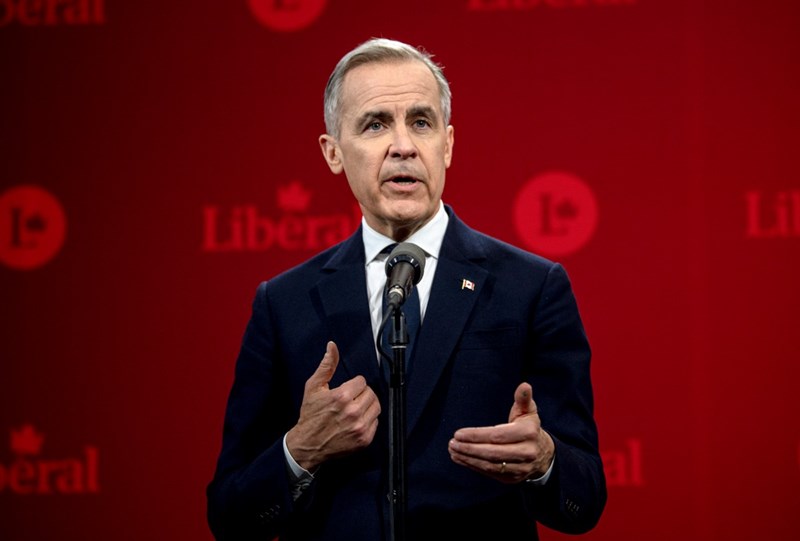
Canadians Said It Out Loud—and Then Acted
Polling confirms the intent behind the behavior.
A Longwoods International study found that 60% of Canadians were less likely to travel to the United States due to American policies and political rhetoric. 36% had already canceled trips.
An Angus Reid survey showed 48% of Canadians had canceled or were seriously considering canceling U.S. travel. In Quebec alone, cancellations translated into an estimated $3 billion in lost U.S. economic activity.
This was not hypothetical. These were real cancellations: empty hotel rooms, unfilled restaurant tables, closed gift shops.
Where the Pain Hit Hardest
A Congressional Joint Economic Committee report released in December documented the damage state by state.
New Hampshire: Canadian visitors down 30%; campground reservations down 71%.
Maine: Old Orchard Beach reported a 50% drop in Canadian visitors—worse than during COVID.
Montana: Border crossings down 19%; credit card spending in Kalispell fell 39%. One hotel lost $38,000 after a Canadian sports team canceled a 70-room booking.
Florida: Canadian visits down 20% in Q2; real estate agents reported Canadians selling homes due to the political climate.
Hawaii: Canadian visitors down 9.4% year-over-year and 27% compared to 2019.
Vermont, New Jersey, New York: Similar declines, layoffs, and revenue losses.
Duty-free shops along the border reported sales drops of 40–50%, with some cutting staff by 80%. One owner described operating with three or four employees instead of the usual twenty.
“That’s not a downturn,” the owner said. “That’s collapse.”
Individual Decisions, Collective Impact
Personal stories underscore how deeply political rhetoric translated into economic consequences.
A Vancouver attorney who visited Hawaii four or five times a year canceled all trips after Trump’s tariff announcements. A British Columbia woman forfeited a $5,000 deposit to avoid vacationing in Palm Springs. A Florida motel owner watched customers choose Cuba—under U.S. sanctions—over Florida.
A retiree from Ontario canceled a 20-year tradition of winter golf trips to Orlando. A major Canadian tour operator declared most U.S. tours “dead in the water.”
The anger was not directed at Americans—but at Donald Trump.
Discounts Can’t Fix Disrespect
American tourism boards scrambled to respond.
Montana launched a “Canadian Welcome Pass.” Las Vegas rolled out discount weeks. Palm Springs hung signs reading, “Palm Springs Loves Canada.” California launched a statewide campaign. Buffalo, Seattle, and Upstate New York followed suit.
These were not routine promotions. They were emergency measures.
And they largely failed—because price was never the problem.
“You can’t discount your way out of an insult,” one tourism official admitted privately.
A Structural Shift, Not a Temporary Dip
Economists warn the damage will last.
Tourism is not manufacturing. When travelers form new habits—discover new destinations, build new traditions—they don’t automatically return. Canadians who spent 2025 traveling to Mexico, Costa Rica, Europe, or within Canada may never go back to Florida or Arizona.
A snowbird survey showed overseas travel nearly doubled among Canadians avoiding the U.S. Provincial governments inside Canada increased domestic tourism budgets, capturing spending that once flowed south.
The United States Travel Association estimates that even a 10% drop in Canadian tourism puts 14,000 American jobs at risk. Current declines are far worse.
The Lesson Trump Refused to Learn
Donald Trump assumed American economic power meant allies had no choice.
The Canadian tourism boycott proved the opposite.
Twenty million individuals exercising consumer choice inflicted billions in losses, without legislation, without negotiation, without retaliation—just absence.
This was soft power in reverse.
Trump wanted dominance. Instead, he taught Canadians that dependence on the United States is a liability. That lesson will outlast his presidency.
The $5.7 billion loss is not the end of the story. It is the opening chapter of a long-term realignment in how Canadians view the United States—not as a trusted neighbor, but as an unreliable partner.
And once trust is gone, it does not return on sale.