Washington has rarely witnessed a cultural backlash as fierce as the one unfolding now. In a short span of time, a growing list of high-profile artists — ranging from jazz legends and Broadway creators to indie rock bands — have
cancelled their performances at the Kennedy Center, transforming what was once considered a nonpartisan symbol of American arts into the epicenter of an unprecedented political and cultural confrontation.
According to multiple sources, Donald Trump is reportedly “furious” over the cascading cancellations, following his decision to place his name on the walls of the Kennedy Center and overhaul its leadership. What was framed as a display of authority is now rapidly backfiring, as artists collectively walk away.
Chuck Redd: The Opening Shot of the Boycott
The controversy ignited when jazz legend Chuck Redd announced the cancellation of his planned Christmas jazz concert at the Kennedy Center. His reasoning was explicit: Redd objected to Trump attaching his name to the institution and intervening in the direction of a cultural space that had remained politically neutral for decades.
Redd’s decision quickly became a catalyst, triggering a wave of similar actions across the arts community.
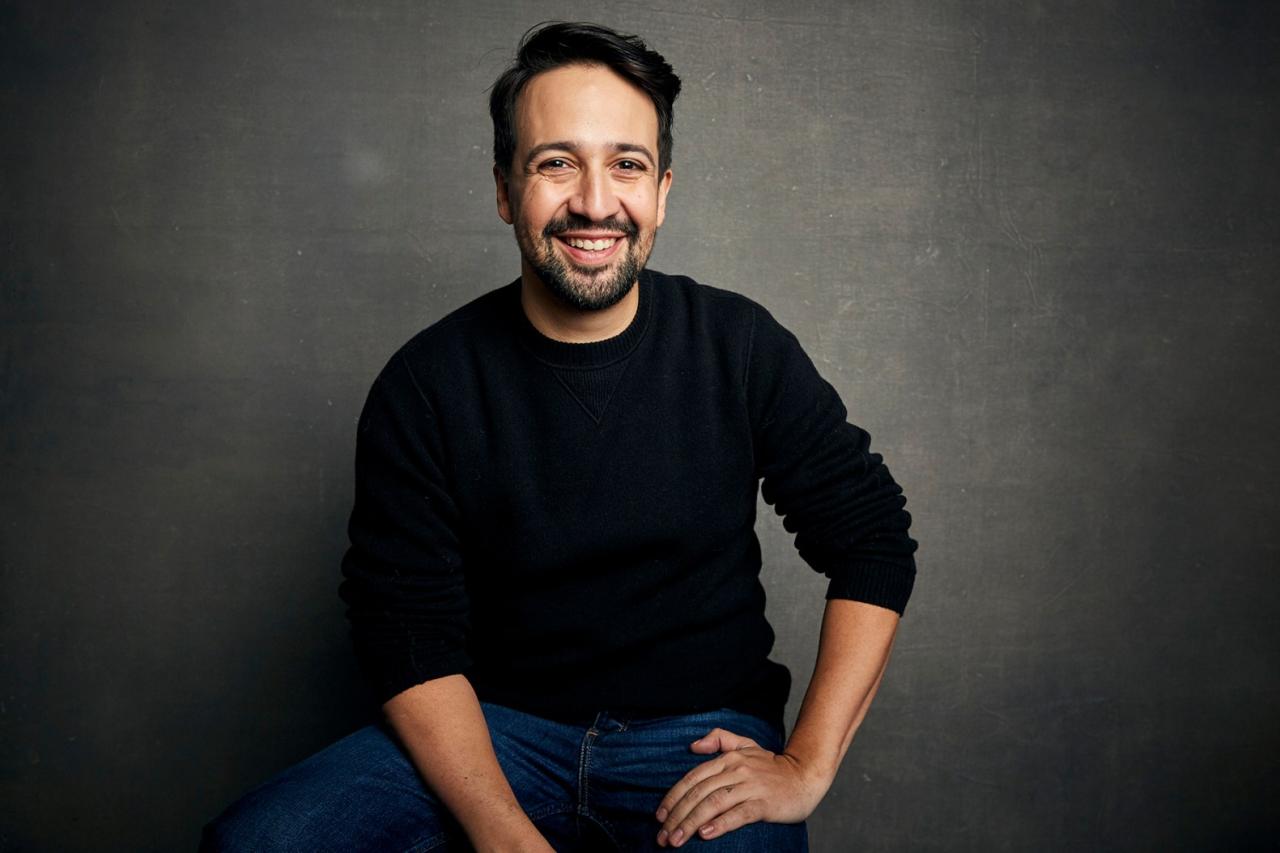
Lin-Manuel Miranda Pulls Hamilton From the Kennedy Center
The most significant blow came from
Lin-Manuel Miranda, creator of the landmark musical Hamilton. Miranda cancelled the entire 10-year anniversary run of the show — an event widely expected to be one of the year’s defining cultural moments.
In a statement that reverberated nationwide, Miranda said:
“Morally, it was not complicated. The Kennedy Center has historically been a bipartisan birthplace for the best of our nation’s arts. That changed when Trump’s administration fired the board and Trump named himself head of it.”
The message was unmistakable: Hamilton would not share a stage with a politicized Kennedy Center.
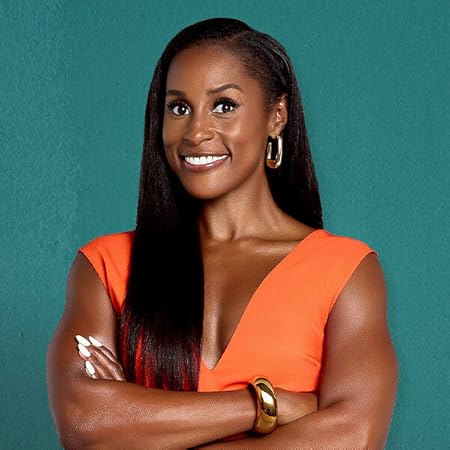
Issa Rae and a Break in Values
Actress and producer Issa Rae also cancelled her sold-out appearance. In a brief but firm statement, Rae said her decision stemmed from what she viewed as an infringement on the institution’s core values — values rooted in celebrating artists from all backgrounds and across all mediums.
Rae’s withdrawal underscored that the backlash was not limited to music, but spanned the broader creative community.
Rhiannon Giddens, Peter Wolf, and a Growing Wave of Cancellations
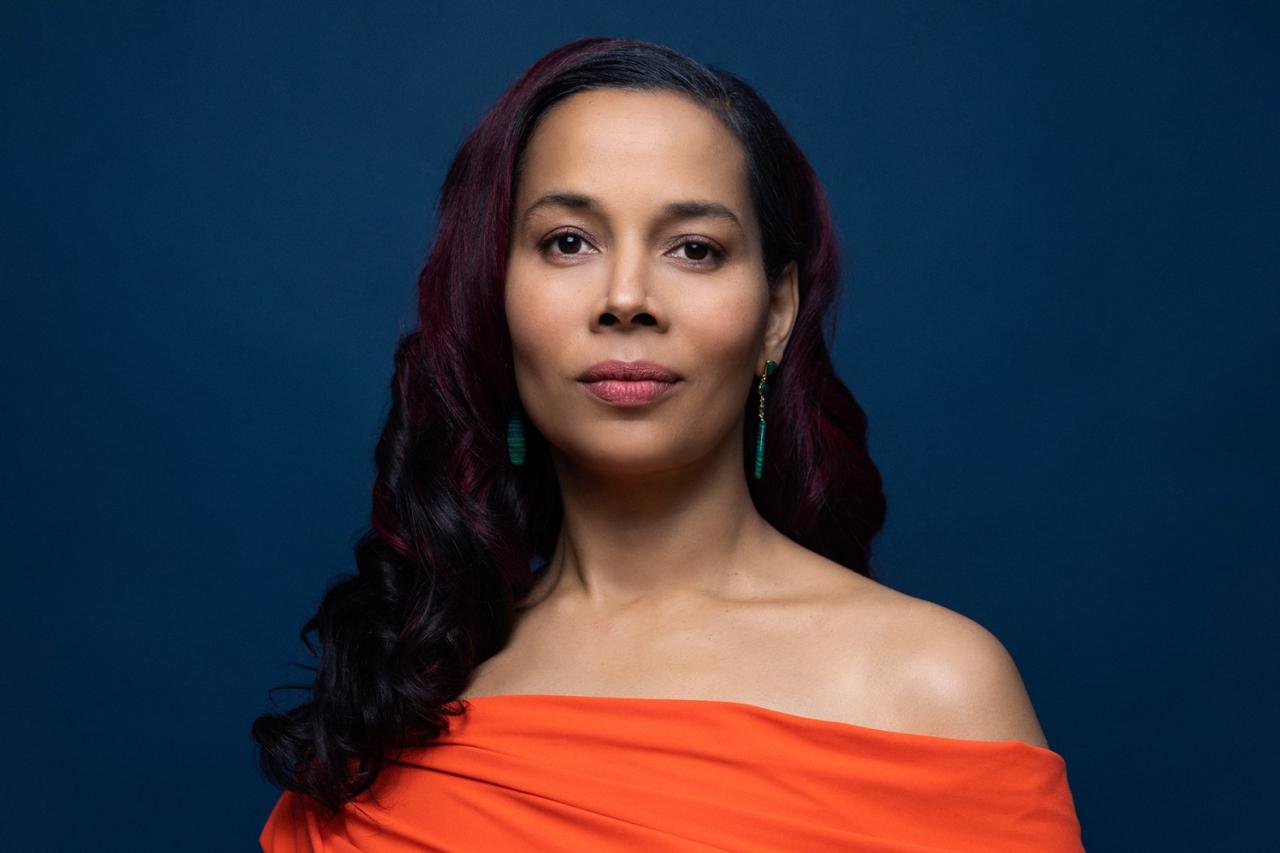
Earlier, Pulitzer Prize–winning folk singer Rhiannon Giddens
cancelled her February performance, stating she could not “in good conscience” perform under the Kennedy Center’s new leadership.
Peter Wolf, lead singer of the J. Geils Band, followed suit, citing the “egregious firing of staff” under the new administration.
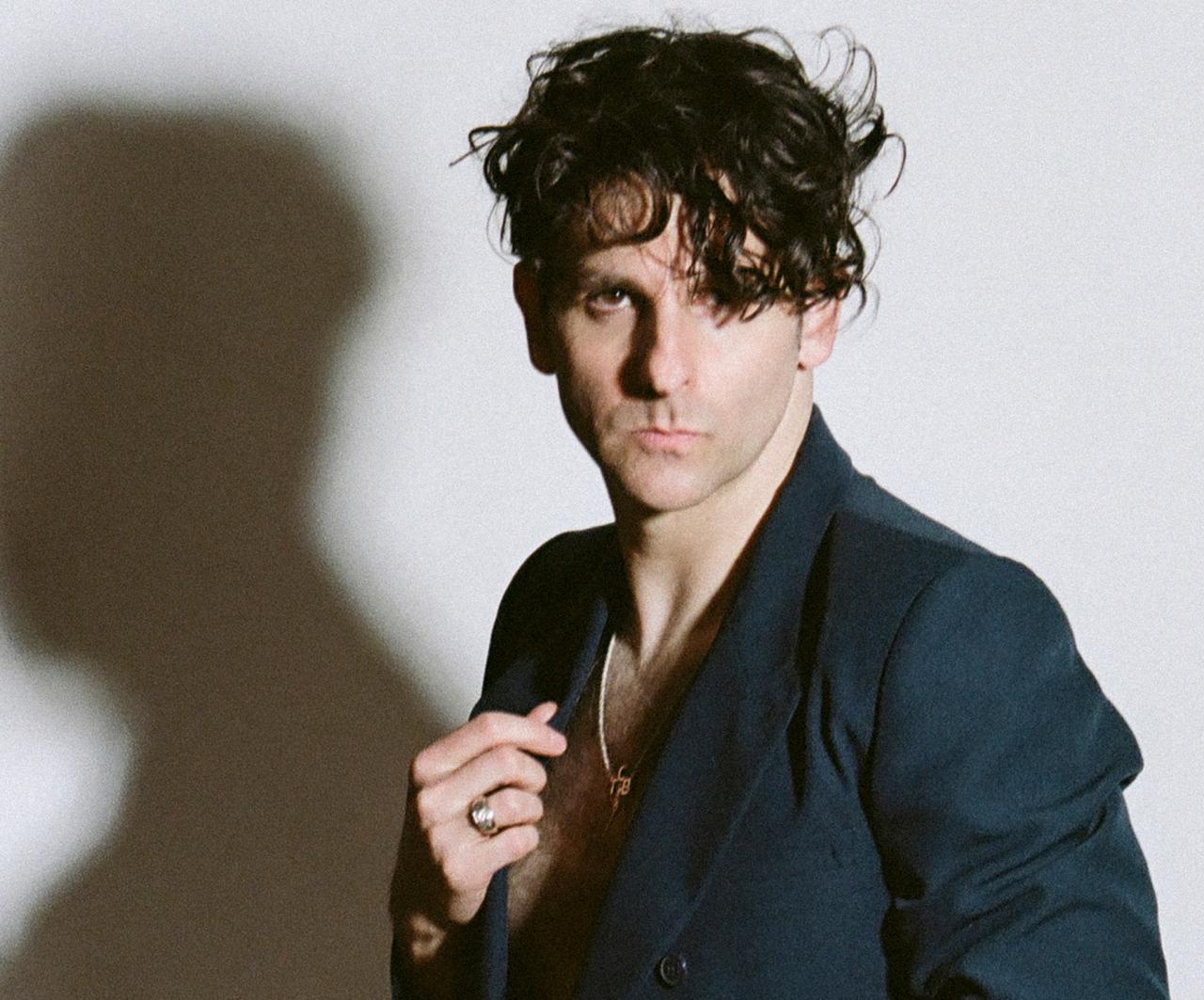
Indie acts like Low Cut Connie also joined the boycott. On Instagram, frontman Adam Weiner wrote that he had been excited to participate in the Kennedy Center’s Social Impact series — until learning that the institution, after 54 years of nonpartisan leadership, was now chaired by President Trump himself.
From National Symbol to Political Battleground
For more than half a century, the Kennedy Center stood as a rare neutral space, where art transcended political divisions. But many artists now say that boundary has been shattered.
Trump’s decision to attach his name to the center, restructure its board, and reshape its programming has convinced critics that the Kennedy Center no longer represents a safe, values-neutral venue
One cultural observer noted:
“When artists withdraw en masse, the issue is no longer a cancelled concert. It becomes a crisis of legitimacy.”

Trump Furious, Artists Unmoved
Sources close to the situation say Trump has made little effort to hide his anger as cancellations spread “like dominoes.” Yet rather than slowing, the boycott appears to be
gaining momentum.
Online, calls have intensified for a full boycott of the Kennedy Center until Trump relinquishes control and removes his name from the institution.
And in a biting line that has gone viral, one commenter wrote:
“Hope you’ve got Kid Rock on speed dial, because that may be the only musical ‘talent’ left willing to play there.”
A Cultural War With No Clear End
The showdown at the Kennedy Center has grown far beyond music or theater. It reflects a
deeper struggle over identity, power, and values in modern America.
Will Trump back down?
Can the Kennedy Center reclaim its bipartisan legacy?
Or is this the beginning of a new era in which art and politics collide openly and irreversibly?
The answers remain uncertain. But one thing is clear: the music has spoken — and this time, it is choosing silence as protest.