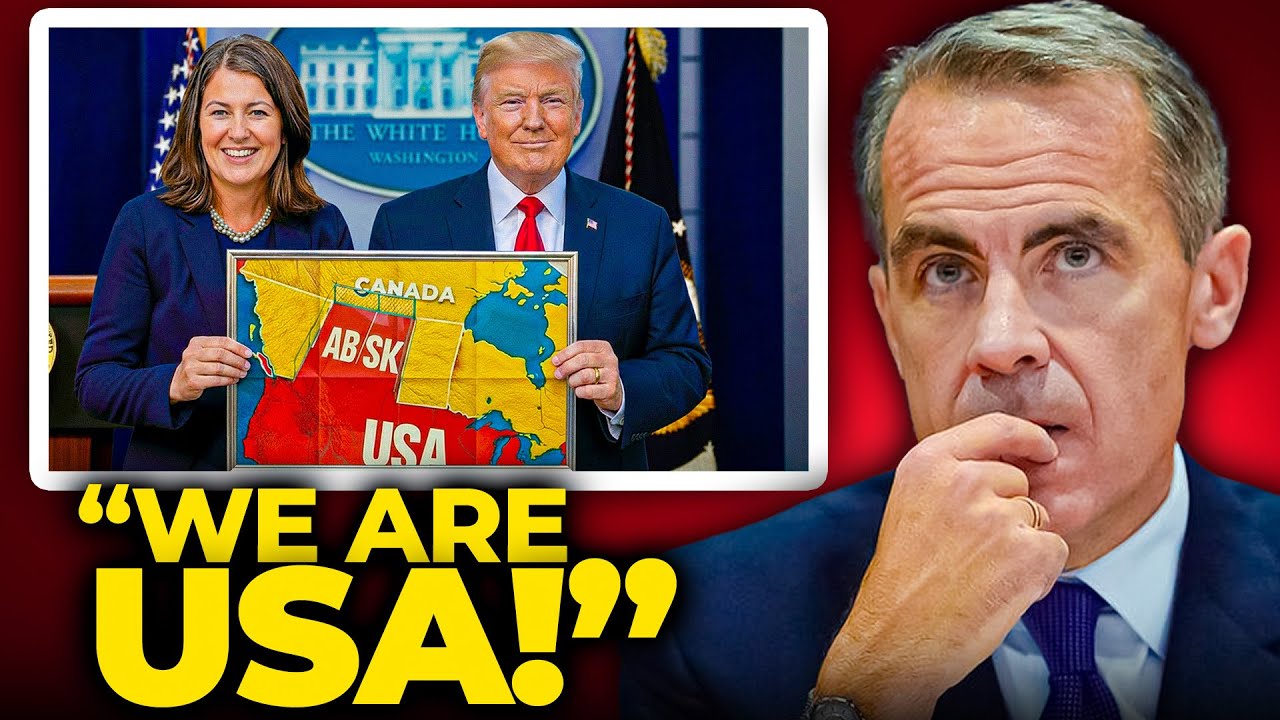
Premier Danielle Smith has fully activated Alberta’s referendum apparatus, a legal framework designed to gauge provincial sovereignty. Simultaneously, Saskatchewan Premier Scott Moe has publicly declared he will not obstruct a similar separation ballot within his province. This coordinated action transforms a theoretical exit door into a tangible, open gateway.
The movement is driven by deep-seated economic and political grievances framed as a century of colonial exploitation. Proponents argue Western Canada has functioned as a resource extraction colony for Eastern financial and political interests since Confederation, generating wealth that is systematically transferred eastward without equitable political representation or respect.
“We have endured treatment as resource extraction colonies,” stated one prominent voice in the movement, capturing the foundational sentiment. “Eastern Canada commanded the institutions. Western provinces received instructions: extract resources, cultivate agriculture, ship products eastward. Oh, and maintain silence.”
The financial argument is stark. Pro-separation figures cite that Alberta alone has contributed an estimated $600 billion more to federal coffers than it received in services over recent decades, a transfer viewed not as unity but as systemic robbery. This resentment is compounded by the repeated federal obstruction of energy infrastructure like the Keystone XL, Northern Gateway, and Energy East pipelines.
Critically, support is no longer confined to a vocal fringe. Polling indicates one in three Albertans is prepared to vote for separation, while over 40% of Saskatchewan Party supporters—the governing party’s base—demand a referendum. Among Albertans under 35, support surges to 47%, indicating the movement is powered by the emerging generation.
“This isn’t rebellion energy, it’s decision energy,” analysts note. “It’s that calm, steady, unshakable tone where people stop requesting permission. The emotional break has already occurred. The trust is gone.”
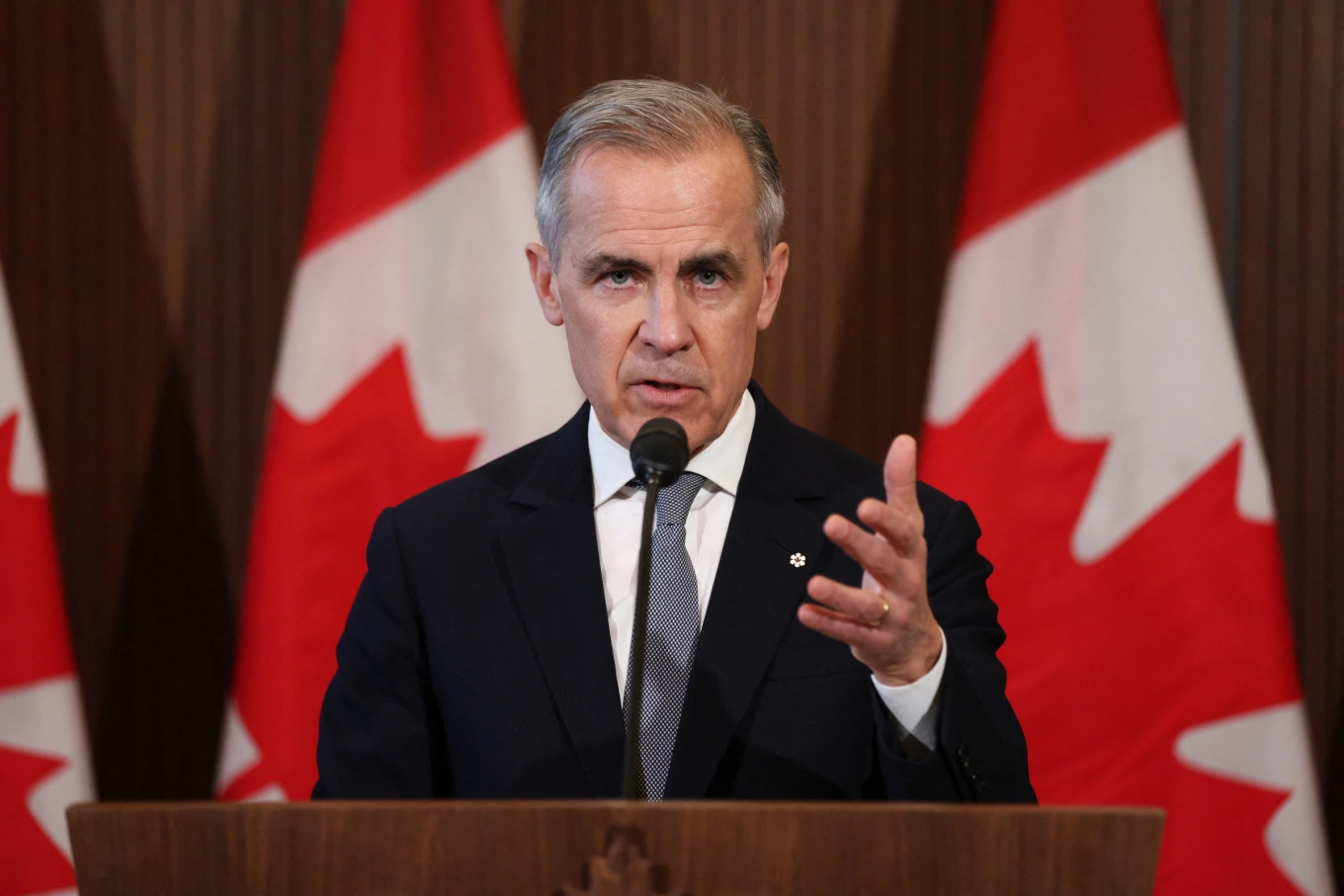
The situation has escalated beyond rhetoric due to recently enacted provincial legislation. Alberta’s referendum law mandates a vote if petitioned by 10% of voters, while Saskatchewan’s Saskatchewan First Act asserts provincial jurisdiction over resources, creating legal shields against federal overreach. This provides a clear, province-controlled timeline Ottawa cannot stop.
Under the federal Clarity Act, a clear affirmative vote for separation would legally compel the federal government to enter negotiations to divide the country. This reality shifts the debate from if separation could happen to how it would be executed, focusing on asset division, national debt, and territorial sovereignty.
The most destabilizing new factor is the open discussion of U.S. statehood as a viable alternative. This is not framed as ideological desire but as a logical extension of existing economic realities. Over 90% of Alberta’s energy exports already flow south, with U.S. refineries specifically calibrated for its crude.
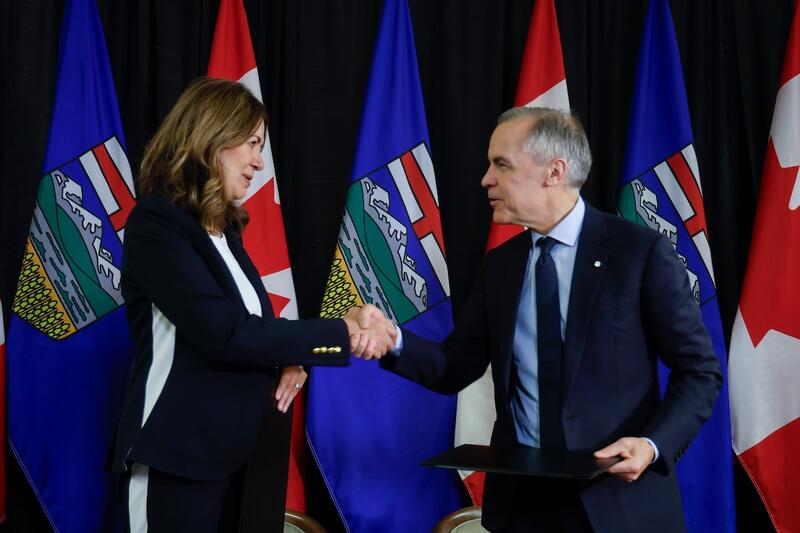
“The U.S. option is genuine,” sources confirm. “This isn’t about waving American flags. It’s about following trade routes that already exist.” Integration would offer immediate access to the world’s largest energy market and a continental defense umbrella, presenting a powerful leverage point against Ottawa.
The formation of a western coalition is evident. Rural Manitoba and communities in British Columbia’s interior are increasingly aligning economically and politically with the Prairie provinces, suggesting a potential bloc far larger than just Alberta and Saskatchewan. Their shared supply chains run north-south, not east-west.
Federal attempts to dismiss the movement as anger or noise have failed. “When the entire region begins aligning its legislation, supply chains, and exit strategies, Ottawa suddenly remembers the word unity,” observers state. “This isn’t unity. It’s leverage, and it’s already operational.”
The immediate consequence is a severe crisis of legitimacy for the federal government. Ottawa’s traditional tools of delay, procedural obstruction, and political negotiation are now ineffective against provinces that have stopped asking for permission and are actively constructing an exit.
International observers, particularly in Washington, are monitoring closely. The potential addition of two resource-rich territories would significantly alter North American geopolitics and energy security. The United States has previously expressed interest in projects like the Keystone XL pipeline, which a sovereign Alberta could unilaterally restart.
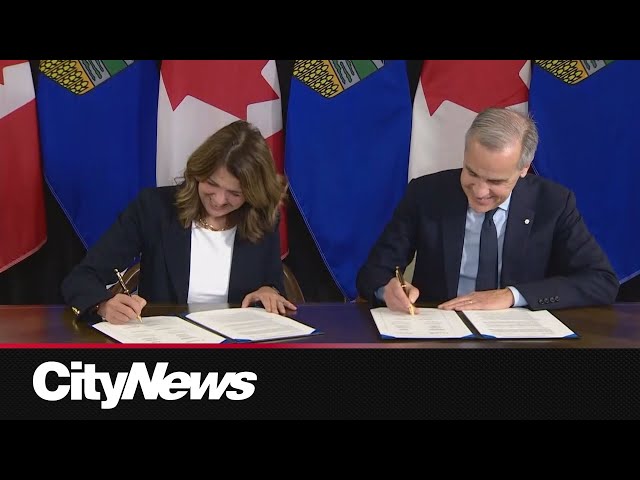
Economic markets are bracing for volatility. The Canadian dollar, heavily supported by western resource revenue, faces existential pressure. National programs financed by equalization payments would require drastic restructuring if the contributing provinces left the federation.
The window for federal reconciliation is perceived to be closing rapidly. “If Ottawa wants to keep Alberta and Saskatchewan, the time to listen was years ago,” the narrative concludes. “The window to negotiate is closing. If they keep dragging their feet, Western Canada isn’t going to slam the door shut. They’re just going to finish building a new door.”
This marks a point of no return in Canadian history. The federation now faces its most severe internal threat since the 1995 Quebec referendum, but with a more complex and economically devastating dimension. The coming months will involve intense political maneuvering, legal challenges, and a fundamental re-examination of what Canada is—and who it serves.