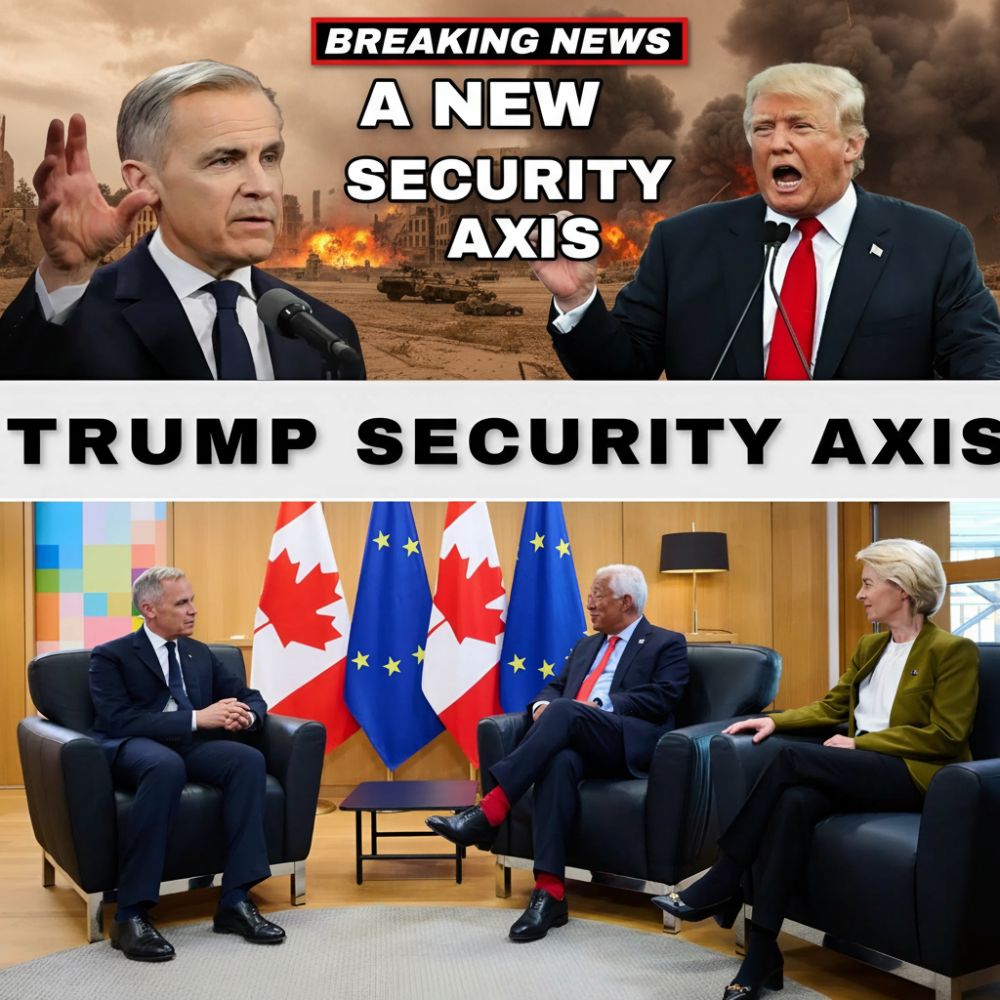
Canada has officially joined the European Union’s Security Action for Europe (SAFE) defense program, marking one of the most consequential shifts.
Canada has officially joined the European Union’s Security Action for Europe (SAFE) defense program, marking one of the most consequential shifts in the country’s defense and economic strategy in decades. Confirmed by Defense Minister David McGuinty on Parliament Hill, the agreement grants Canadian defense firms direct access to EU defense funding, joint development programs, and advanced expertise. This move allows Canada to supply critical capabilities such as ammunition, missiles, drones, artillery systems, and infantry weapons—areas central to Europe’s long-term security planning.
This decision goes far beyond symbolism. By entering SAFE, Canada is deliberately reducing its historical overdependence on the United States and positioning Europe as a parallel pillar in its security architecture. For years, Canadian defense companies were largely confined to U.S.-controlled supply chains, subject to export restrictions, political conditions, and sudden policy shifts in Washington. SAFE changes that dynamic by opening EU-backed procurement channels previously closed to non-European partners.
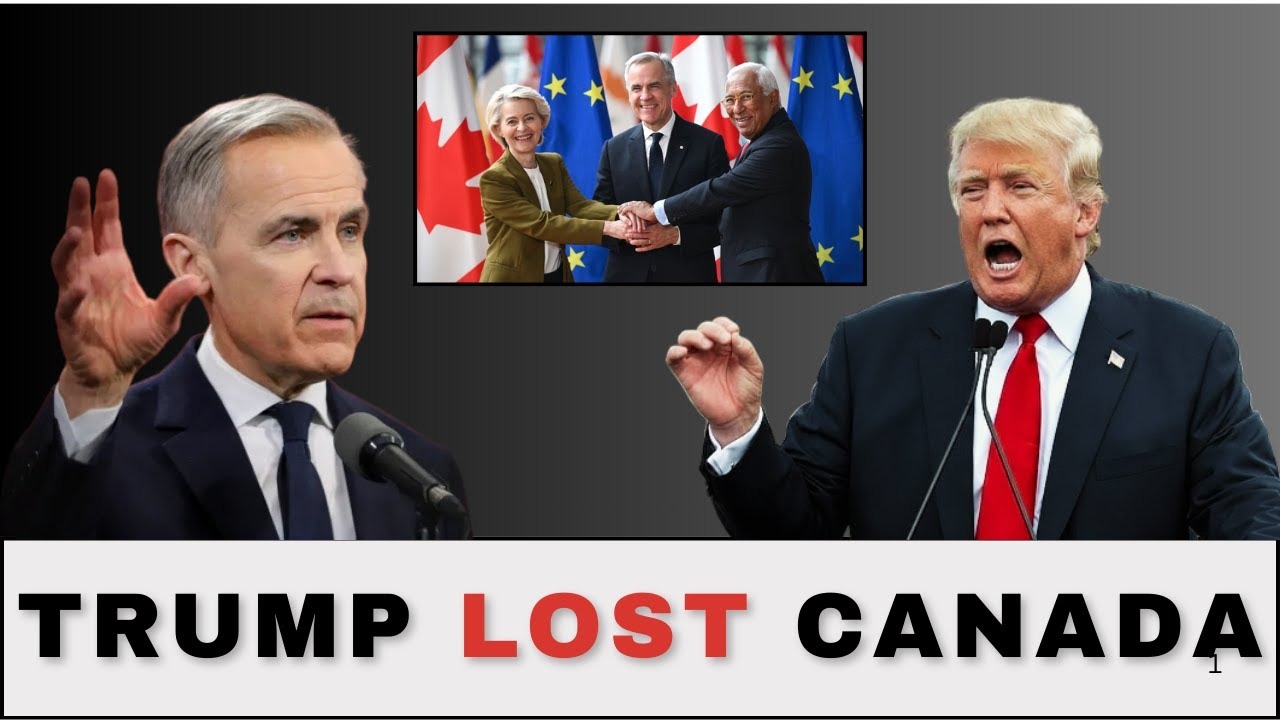
At its core, Canada’s SAFE participation is about access, leverage, and stability. Ottawa has grown increasingly frustrated with U.S. pressure tactics, including tariffs and transactional security demands that tie defense cooperation to unrelated trade disputes. Under SAFE, Canadian firms can engage in European defense manufacturing and innovation frameworks that prioritize shared standards and long-term planning rather than unilateral control from a single capital.
The timing of the move is no coincidence. As the United States continues to promote “America First” procurement rules and threatens allies with economic retaliation, even in sensitive defense sectors, Canada is choosing diversification over dependency. European partners are offering predictability—stable contracts, coordinated industrial policy, and collaborative innovation—at a moment when U.S. policy volatility has made long-term planning increasingly risky.
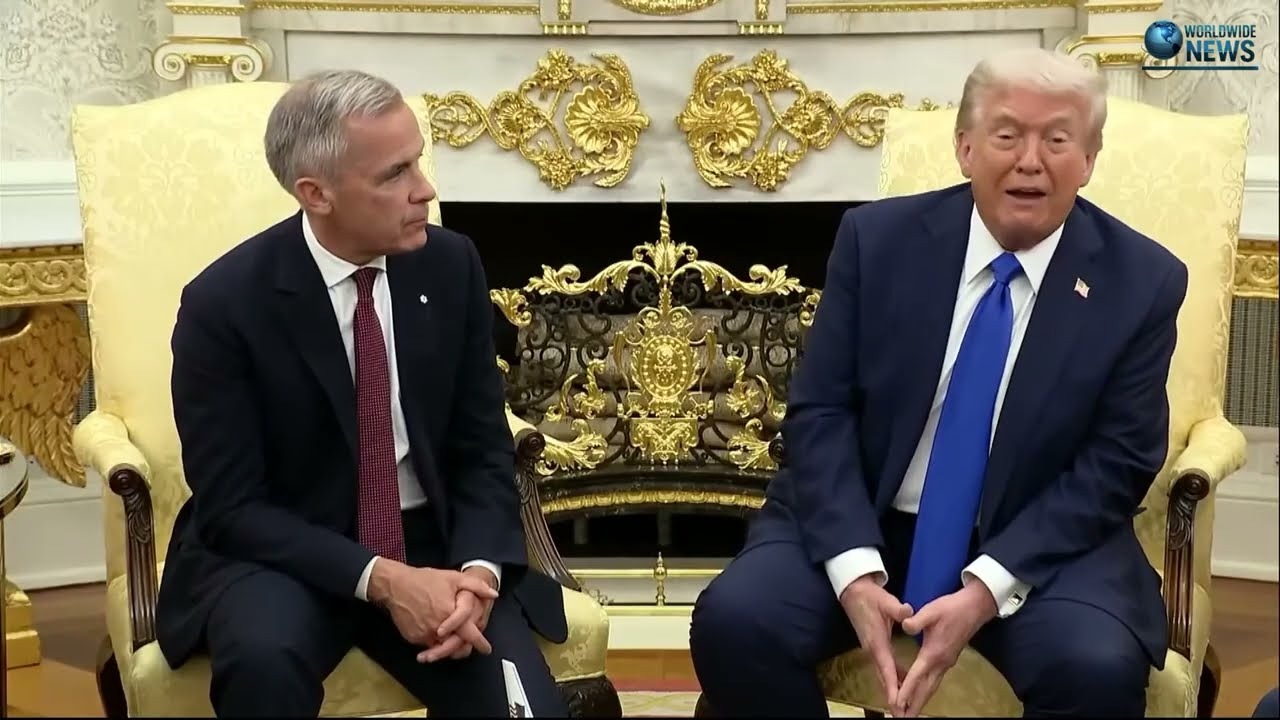
Strategically, SAFE also strengthens Canada’s negotiating position with Washington. When Canada has credible alternatives, pressure loses its force. While the United States remains an important ally, Ottawa is signaling that alignment can no longer be assumed or coerced. Cooperation, Canadian officials suggest, must be mutual and based on respect, not leverage.
Ultimately, Canada’s entry into SAFE represents a recalibration, not a rupture. It reflects a broader effort to protect national industries, workers, and strategic autonomy in an uncertain global environment. By quietly building European partnerships, Canada is ensuring that its defense future is shaped by collaboration rather than vulnerability—sending a clear message that it is done waiting for permission to secure its own interests.