
In the long history of American civil–military relations, public criticism from senior generals toward a former commander in chief has been rare. This week, however, a series of remarks from prominent military figures has reignited a fierce national debate.
At the center of the controversy is Donald Trump, whose presidency already tested traditional norms between the White House and the U.S. armed forces.
Now, several of the most recognizable figures who once served alongside him have stepped forward with unusually blunt warnings about his leadership and its implications for American democracy.
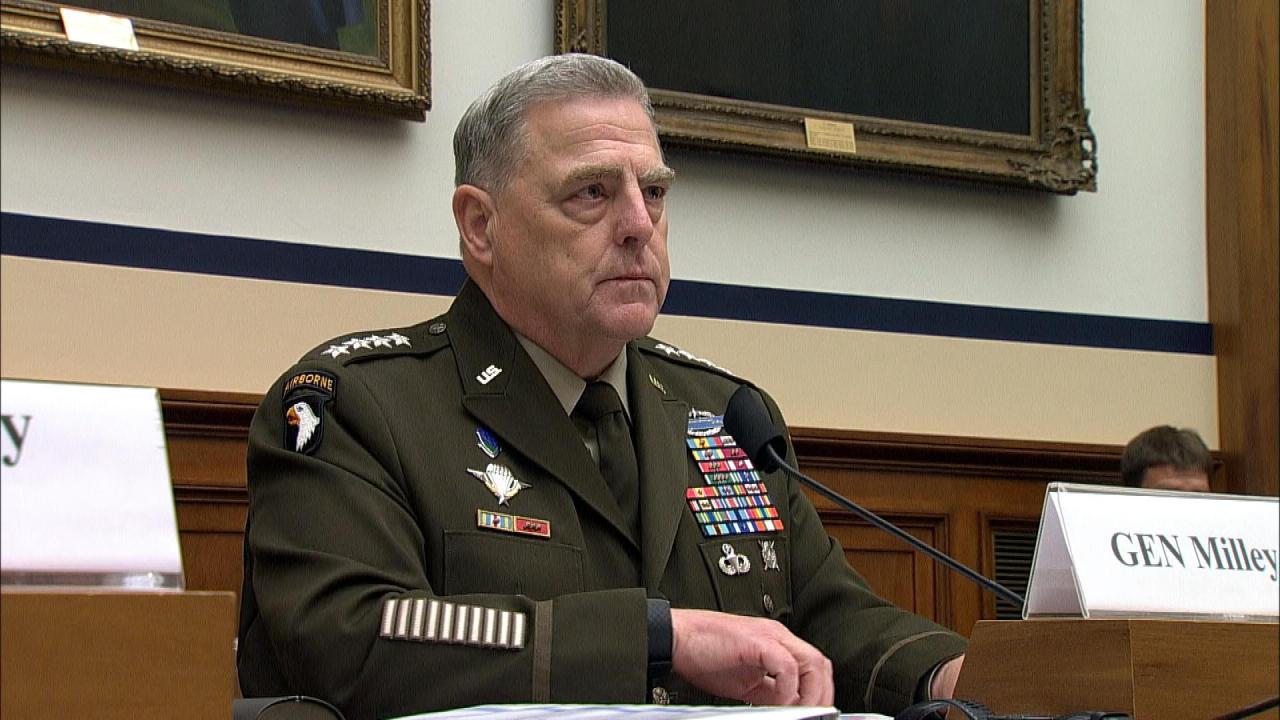
Among them is Mark Milley, the nation’s highest-ranking military officer during the final years of Trump’s presidency.
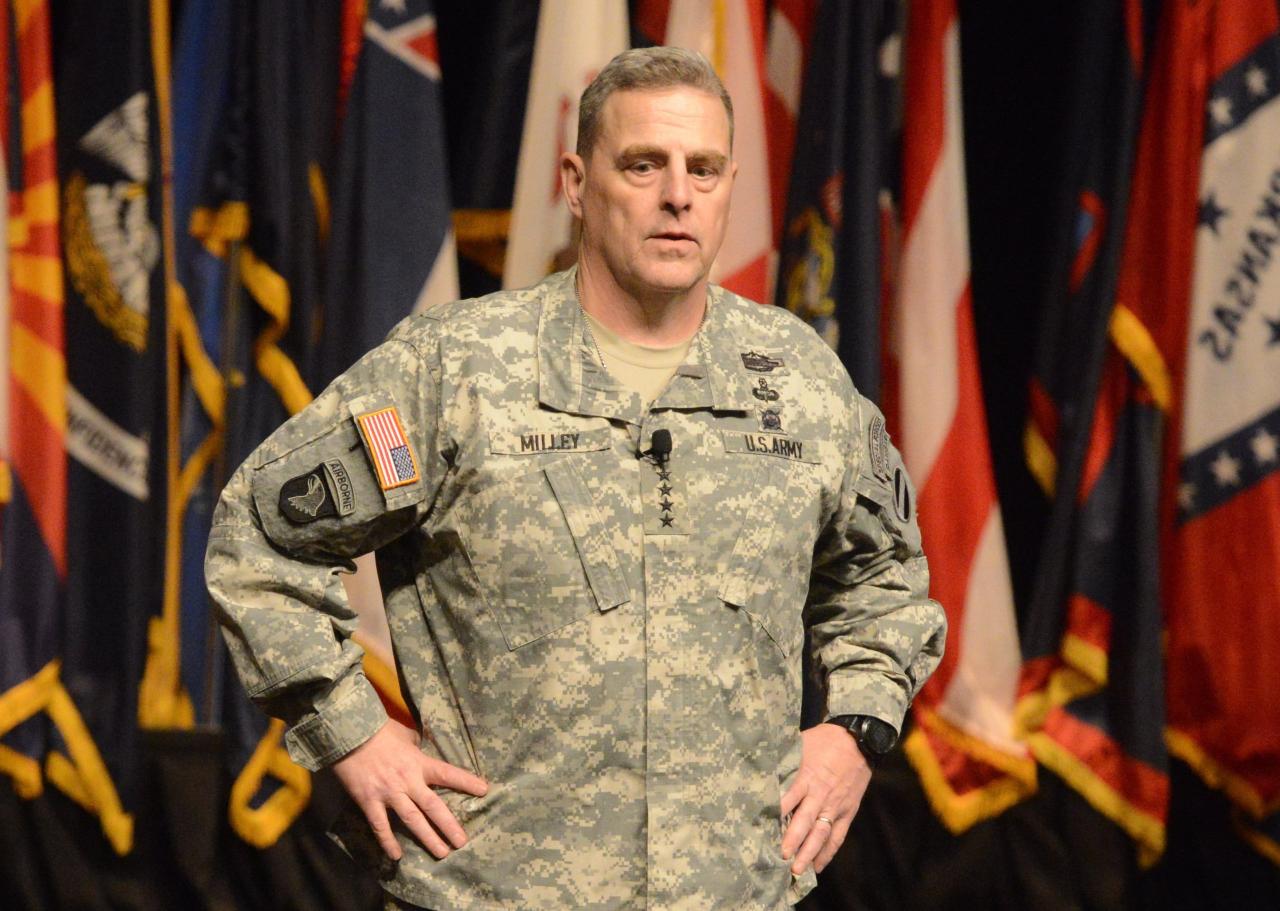
In interviews and public remarks, Milley has described Trump as “fascist to the core,” language rarely heard from a figure who spent decades inside the disciplined, politically cautious world of the U.S. military.
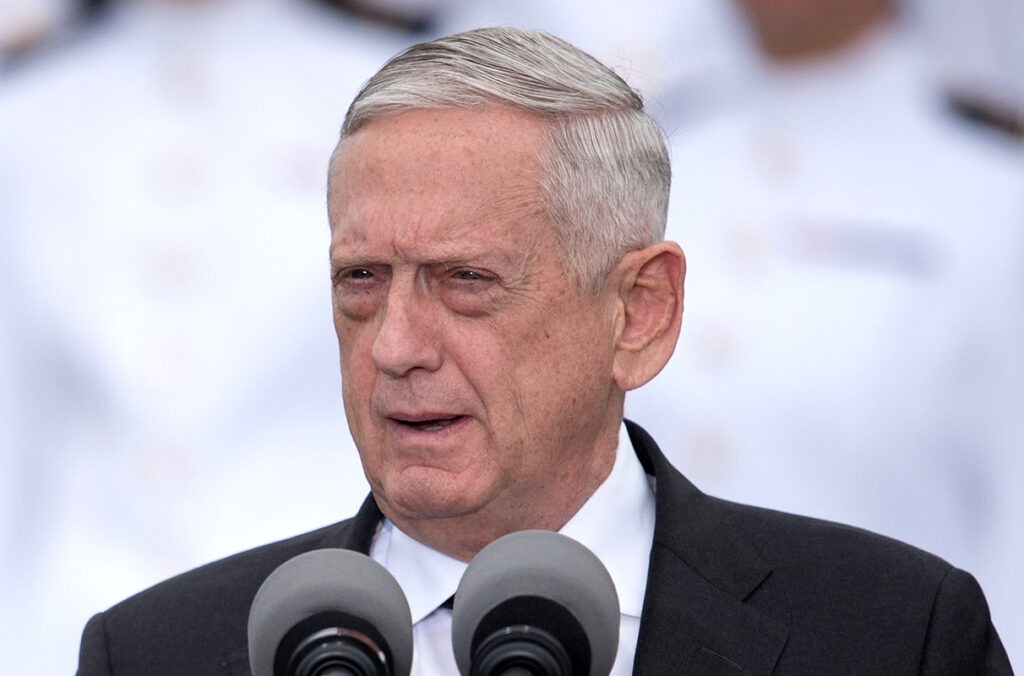
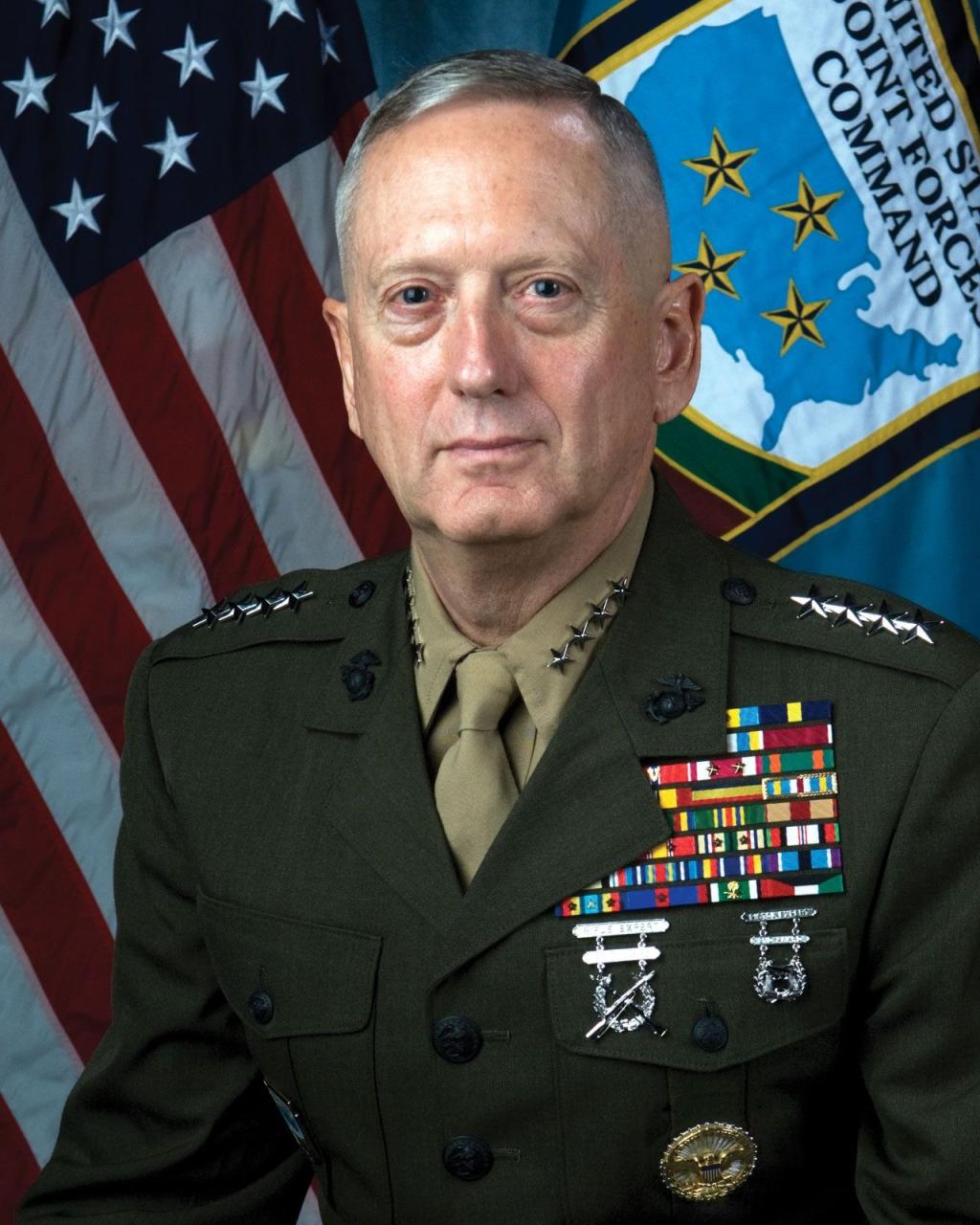
Another voice carrying significant weight is James Mattis, a retired Marine Corps general widely respected across both political parties.
Mattis, who resigned from Trump’s administration in 2018, later wrote that the former president showed little understanding of the constitutional principles that guide America’s democratic system.
Perhaps the most personal criticism came from John Kelly, a retired four-star Marine general who served closely with Trump during one of the administration’s most turbulent periods.
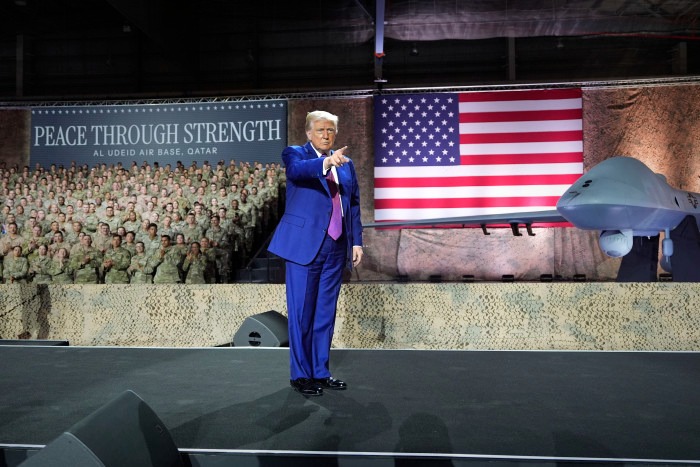
Kelly has publicly confirmed reports that Trump made disparaging remarks about American service members killed in combat, including a controversial allegation that fallen soldiers were referred to as “suckers” and “losers.”
Trump has repeatedly denied making such statements.
Still, the accusations have resonated deeply within military communities, where honor, sacrifice, and respect for fallen soldiers hold profound cultural significance.
The intensity of the reaction stems partly from the unique credibility of the critics themselves.
These are not political opponents from rival parties. They are men who shared the Situation Room, participated in national security briefings, and advised the president during moments of global crisis.
Their voices therefore carry a different kind of authority — one rooted in firsthand experience rather than partisan rivalry.
Supporters of Trump argue that the criticism reflects personal grievances or policy disagreements rather than evidence of a genuine constitutional threat.
They note that the United States military ultimately remained firmly under civilian control throughout Trump’s presidency, demonstrating the resilience of American democratic institutions.
Yet the broader conversation has expanded beyond individual accusations.
For many observers in both the United States and the United Kingdom, the episode highlights a deeper tension between political power and the military traditions designed to remain separate from partisan conflict.
American service members swear an oath not to a president or a political party but to the Constitution itself — a principle often described as the cornerstone of the country’s democratic system.
When senior officers speak publicly about perceived threats to that system, the warnings naturally draw attention.
What makes the current moment particularly striking is not simply the criticism, but the fact that it comes from figures who once served at the highest levels of the same administration they now question.
Whether history ultimately views their remarks as necessary warnings or as controversial political interventions remains uncertain.
But their message has already achieved one undeniable result: it has reopened a national conversation about leadership, loyalty, and the enduring responsibility to protect the constitutional order.
And in a democracy built on debate, such conversations rarely fade quickly.






