When Winter Became the Battlefield
In the depths of winter, as snow covered the streets of Kyiv, tensions in the war reached a new level.
Russian forces intensified strikes on Ukraine’s energy infrastructure, hoping that widespread power outages during the freezing months would weaken the country’s ability to resist.
Many analysts believed the strategy aimed to pressure civilians and disrupt daily life across Ukraine.
But the response from Kyiv would reshape the narrative of the conflict.
A Night That Shifted Momentum
As January progressed, the pace of Russian drone and missile attacks increased.
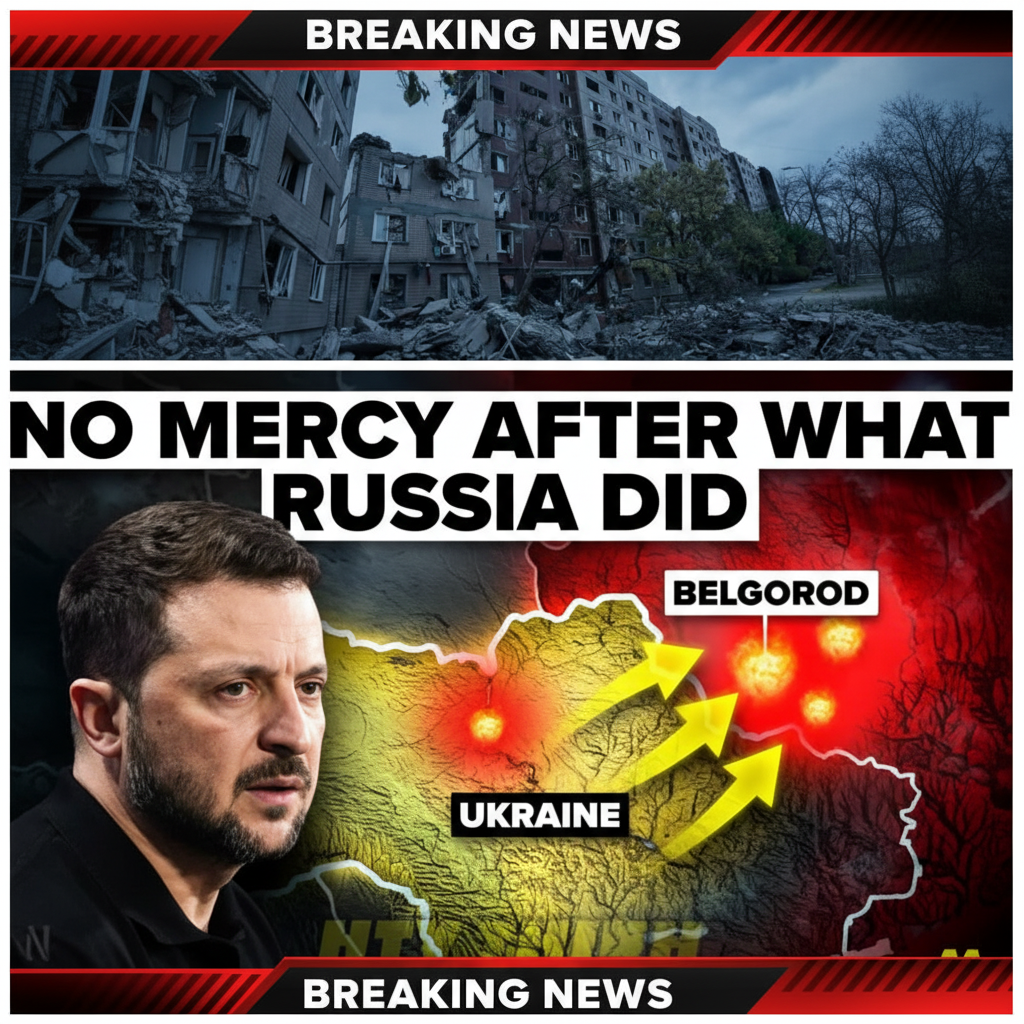
Then on January 25, Ukrainian forces launched a coordinated nighttime response targeting military facilities linked to Russian operations.
Using precision systems such as M142 HIMARS, Ukrainian units focused on logistics hubs and supply routes supporting Russian positions.
Military analysts described the strikes as highly calculated, designed to disrupt operations rather than escalate civilian harm.
The message from Kyiv was clear: Ukraine would respond strategically to continued pressure.
Leadership Behind the Operation
The operation was overseen by Ukraine’s top military leadership, including Valerii Zaluzhnyi, the commander of the Ukrainian armed forces at the time.
Observers noted that the strategy reflected a broader shift in Ukraine’s approach—focusing on precision, coordination, and technology rather than large-scale confrontation.
For Ukrainian forces, it was not only a military action but also a demonstration of capability and resolve.
Reactions on the Ground
Witnesses described dramatic scenes during the nighttime strikes.
Flashes lit the sky as Ukrainian systems targeted military infrastructure linked to Russian operations.
Reports later indicated disruptions to several supply points used by Russian units.
While the full scale of the impact remains debated, analysts agree the operation sent a strong signal to Moscow.
For civilians in Kyiv and other cities, the moment carried deep emotional weight.
After months of attacks on power grids and infrastructure, many saw the operation as proof that Ukraine could respond effectively.
A Psychological Turning Point
Beyond the physical impact, the event had a psychological effect.
The sense of vulnerability that had spread during winter power outages began to shift.
Across Ukraine, from Lviv in the west to frontline communities in the east, people followed the news closely.
For many citizens, the strikes represented more than military action—they symbolized resilience and determination.
The Message From Kyiv
President Volodymyr Zelenskyy addressed the nation shortly afterward.
His message focused on unity and perseverance during one of the most difficult periods of the war.
He emphasized that Ukraine’s goal remained the defense of its sovereignty and the protection of its people.
The speech reinforced a broader narrative of national endurance in the face of prolonged conflict.
International Response
Globally, reactions were swift.
Many Western leaders reiterated support for Ukraine and condemned attacks on civilian infrastructure.
Military assistance and humanitarian aid continued to flow into the country as the conflict evolved.
The situation also intensified international debate about energy security, sanctions, and the future stability of Eastern Europe.
A War That Continues to Evolve
The winter campaign demonstrated how modern warfare is increasingly shaped by technology, logistics, and strategic messaging.
Precision systems, drones, and intelligence networks have transformed the battlefield into a complex contest of information and timing.
For Ukraine, each successful operation strengthens morale.
For Russia, the campaign presents ongoing military and political challenges.
Conclusion
The winter that many feared would weaken Ukraine instead revealed the resilience of its people and the adaptability of its military strategy.
What began as a season of darkness and uncertainty became a turning point in the narrative of the war.
As the conflict continues, the events of that winter night remain a powerful reminder that wars are not decided only by weapons—but also by determination, unity, and the will of a nation to endure.