The Unending Shadow: Transparency, Power, and the Battle Over the Epstein Files
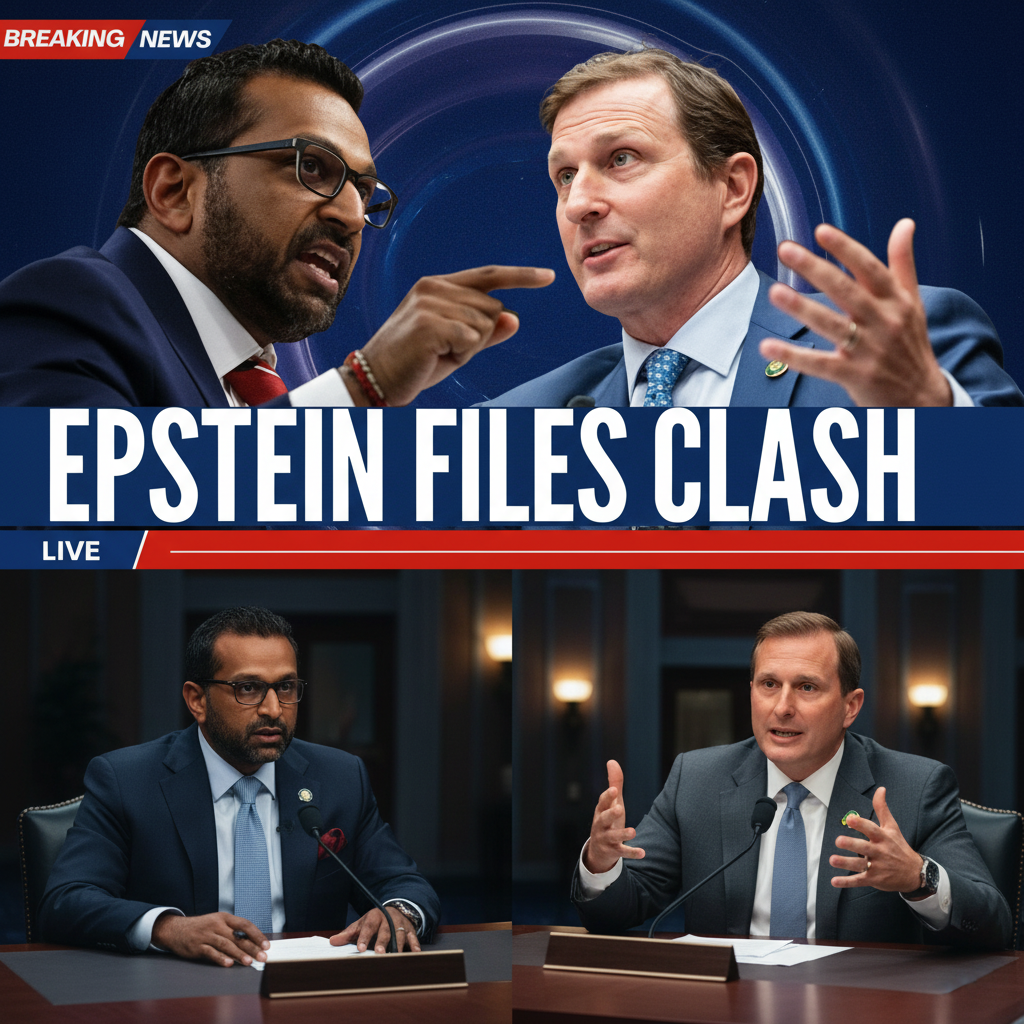
For years, the name “Jeffrey Epstein” has served as a shorthand for the intersection of extreme wealth, systemic failure, and the darkest corners of human depravity. Despite Epstein’s death in a federal jail cell in 2019 and the subsequent conviction of his accomplice, Ghislaine Maxwell, the public’s hunger for “the truth” has only intensified. That hunger was on full display during a recent, fiery congressional hearing where Representative Dan Goldman (D-NY) squared off against FBI Director Kash Patel.
The exchange was more than a cross-examination; it was a collision of two distinct philosophies regarding government transparency. On one side stood the demand for total public disclosure to ensure accountability; on the other, the rigid, often opaque structures of federal law and judicial orders.
The Trump Question: A Political Opening
The tension reached a boiling point early in the testimony when Goldman pointedly asked if Donald Trump appeared anywhere in the FBI’s Epstein files. While Patel eventually clarified that the FBI had released information where the former President’s name appeared—noting that all “credible information” allowed by law had been disclosed—the question underscored the highly partisan lens through which this investigation is often viewed.
In the court of public opinion, the Epstein files are frequently treated as a “choose your own adventure” of political scandals. Depending on one’s leanings, the files are either a smoking gun against the Mar-a-Lago set or a roadmap to the Clinton Foundation. By starting here, Goldman framed the debate: Is the FBI protecting individuals, or is it protecting the integrity of the law?
The Legal Fortress: 6E, Protective Orders, and 302s
The core of the dispute rests on the technicalities of federal criminal procedure. To the average citizen, the refusal to release files looks like a cover-up. To a federal agency, it is often a matter of avoiding a contempt of court charge.
Rule 6E and the Grand Jury
Patel cited Federal Rule of Criminal Procedure 6(e), which mandates the secrecy of grand jury proceedings. This is a foundational pillar of the American justice system, designed to protect the reputations of those investigated but not charged, and to encourage witnesses to speak freely. Goldman, a former federal prosecutor himself, acknowledged this but quickly pivoted to what lies outside that rule.
The Mystery of the 302s
The most compelling part of the clash centered on “302s”—the FD-302 forms used by FBI agents to summarize interviews. Goldman argued that these documents are not automatically subject to grand jury secrecy or search warrant seals. He pressed Patel on why these couldn’t be released with the names of victims redacted to protect their privacy.
Patel’s defense rested on the existence of protective orders and sealed documents from previous litigations (including the Maxwell trial). The impasse highlighted a frustrating reality for transparency advocates: once a document is “sealed” by a judge, it enters a legal vacuum where even the agency that created it cannot unilaterally release it without risking a judicial reprimand.
The “Tapes” and the Dark Reality of the Evidence
One of the most sensational aspects of the Epstein case has always been the rumor of “blackmail tapes”—surveillance footage of powerful men caught in compromising positions on Epstein’s private island or in his Manhattan townhouse.
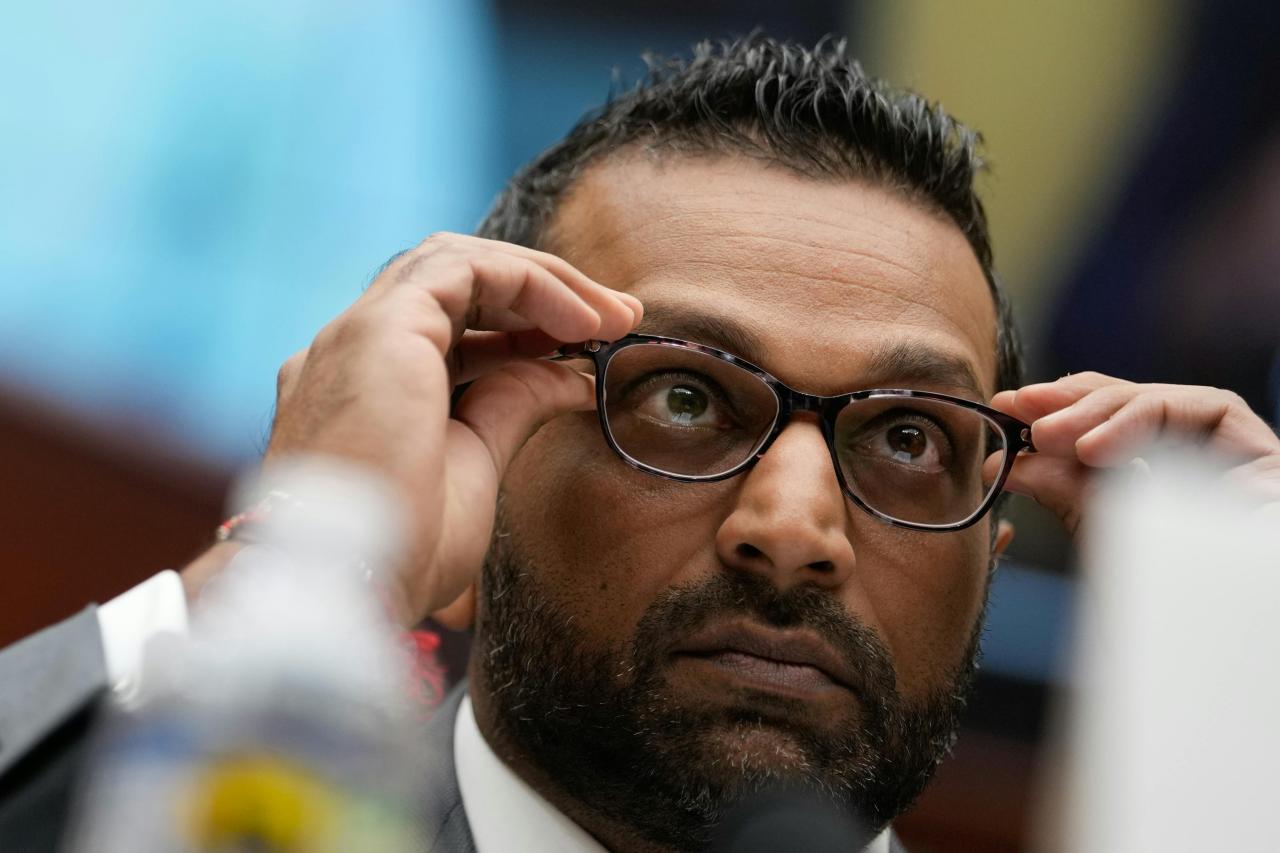
Director Patel offered a sobering, and perhaps deflating, clarification on this front. He testified that the “thousands of hours” of video seized by the FBI consisted primarily of two things:
- Internet Pornography: Mass-downloaded material unrelated to the trafficking ring.
- Child Sexual Abuse Material (CSAM): Illegal content that, by law, can never be distributed or released to the public.
When Goldman pushed on whether videos existed of prominent figures like Prince Andrew, Patel was unequivocal: to his knowledge, no such videos relating to underage sex trafficking existed in the seized materials. This creates a massive disconnect between the “conspiracy” narrative fueled by the internet and the “evidentiary” narrative held by the FBI.
The Human Element: Victims vs. The System
The most stinging accusation of the hearing came when Goldman accused Patel of being “part of the cover-up,” claiming that victims had reached out to the FBI and received no response. Patel’s reaction was one of indignant defense, calling the allegation “patently and categorically false.“
This highlights the tragic paradox of the Epstein case. The very laws designed to protect victims—privacy rights, sealed testimony, and protective orders—are the same mechanisms that prevent the public from seeing the full scope of the crimes. For the victims, transparency might mean a long-overdue sense of justice. For the government, transparency might mean a violation of the privacy those victims are legally entitled to.
Conclusion: Will the Files Ever Be “Full”?
As the gentleman from New York’s time expired, the fundamental question remained: Is the government hiding the truth, or is the truth simply locked behind a door that only a federal judge can open?
Goldman’s suggestion—that the FBI should proactively petition the courts to unseal everything—is the “nuclear option” for transparency. Until that happens, the Epstein files will remain a Rorschach test for the American public: a symbol of either a diligent justice system or a protected elite.