Iran has unleashed its heaviest “monster missile” strike of the war, firing Ghadr, Emad and Kheibar Shekan ballistic missiles in a coordinated barrage that rattled both Tel Aviv and Gulf capitals, defence officials say.
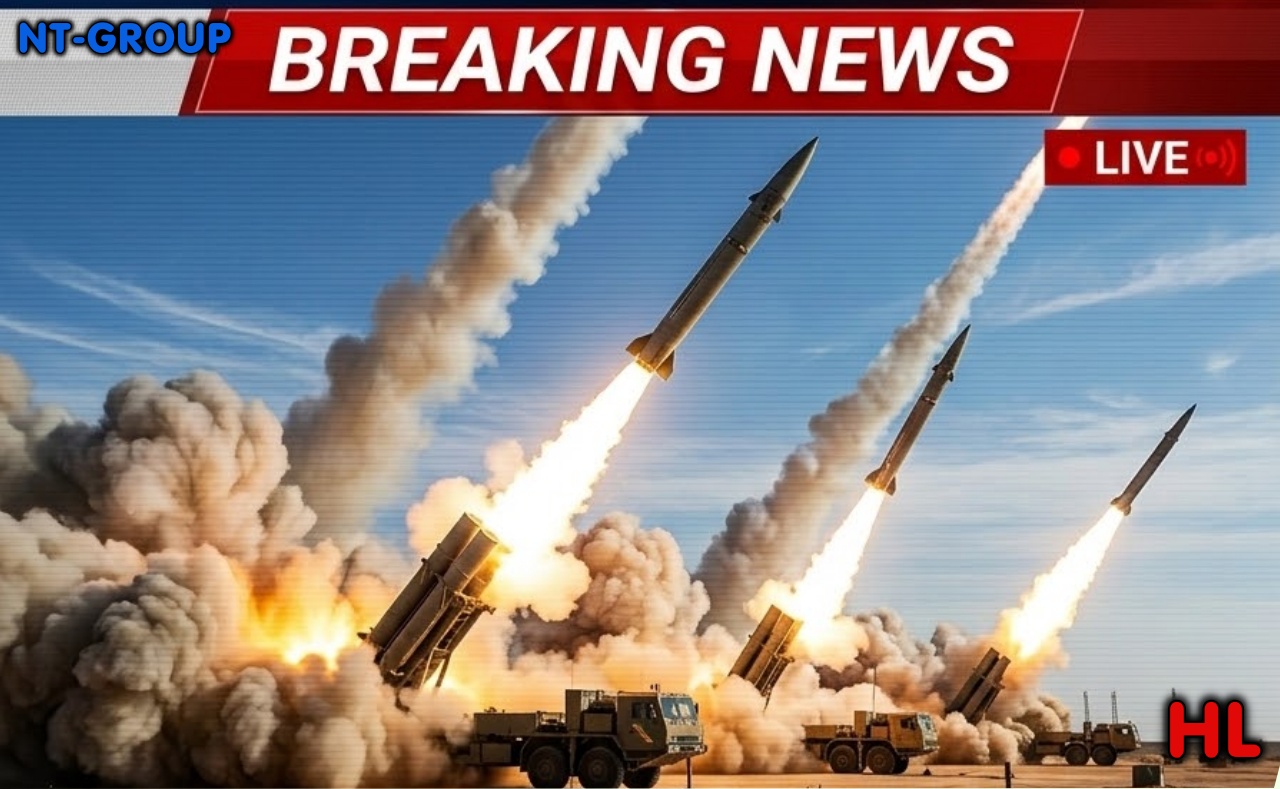
Just before midnight, early‑warning radars in Israel and across the Gulf lit up as launch signatures flared from western and central Iran. The first wave was Ghadr and Emad — long‑range, high‑payload missiles aimed at airbases and logistics hubs — followed by faster, more agile Kheibar Shekan rounds programmed to threaten Israel’s crowded coastal strip.
Over Tel Aviv, Iron Dome, David’s Sling and Arrow batteries clawed at the sky, detonating several warheads in spectacular mid‑air fireballs. Yet fragments — and at least one partial penetration — slammed into an industrial zone on the city’s outskirts, igniting warehouses and sending smoke billowing over the Ayalon highway. Residents reported “walls shaking” and a rolling series of booms that kept families in shelters for hours.
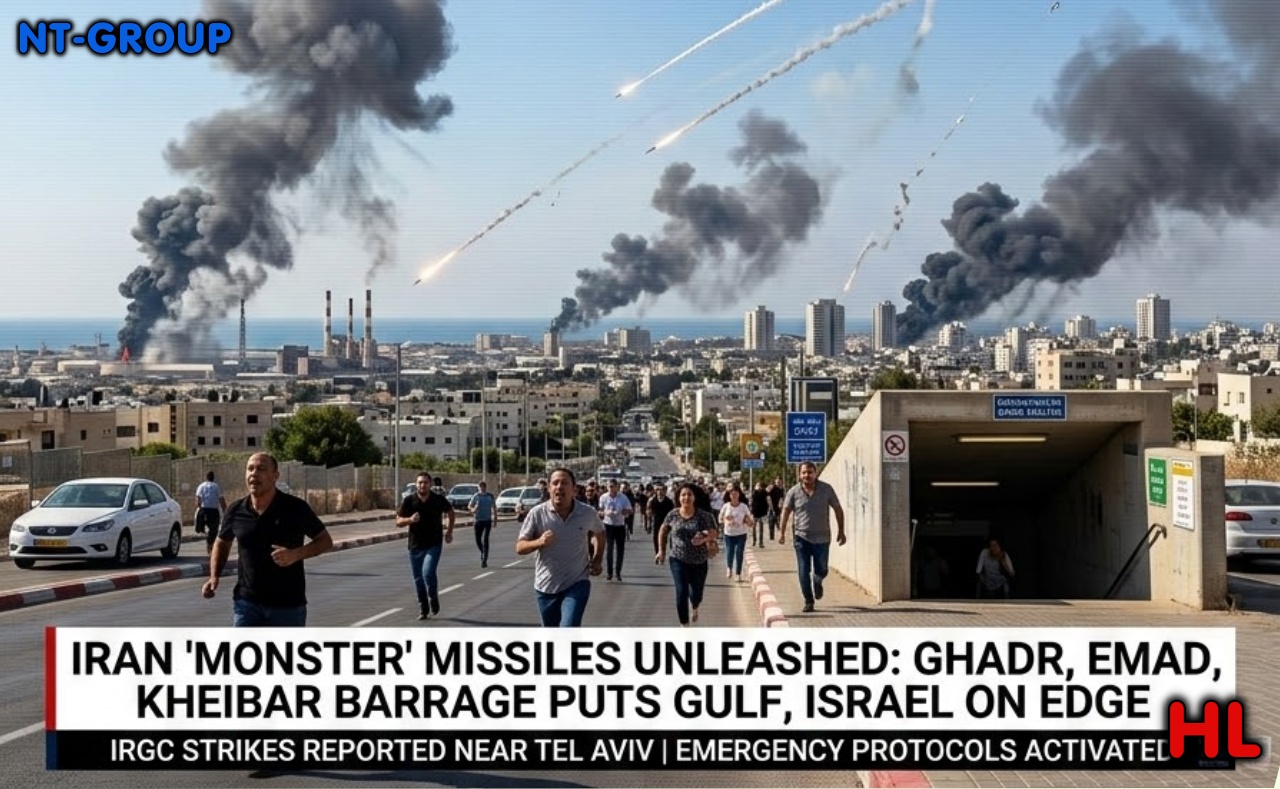
In the Gulf, Patriot and THAAD systems in the UAE and Qatar tracked Ghadr and Emad trajectories aimed near US‑linked facilities and energy sites. Most were intercepted outside critical infrastructure, but debris fell close enough to trigger brief shutdowns at a desalination plant and a key export terminal, spooking markets already on edge.
IRGC commanders hailed the salvo as proof their three “dragons” can breathe fire on both Israel and America’s Arab partners at will. Israeli and Gulf officials insist defences held — but privately concede that the combined weight and sophistication of Ghadr, Emad and Kheibar Shekan have opened a new, more dangerous chapter in the missile war.






