The Night the Sky Ignited: A Shocking Alliance Between the US and Israel
In a stunning display of military prowess, the USS Gravely unleashed a barrage of Tomahawk missiles that lit up the night sky over the Persian Gulf.
This monumental event marked the beginning of a massive joint operation between the United States and Israel, aimed at dismantling the Iranian Revolutionary Guard Corps’ (IRGC) so-called impenetrable underground fortresses.
As the missiles soared through the air, they carried not only explosives but also a message of overwhelming might and technological superiority.
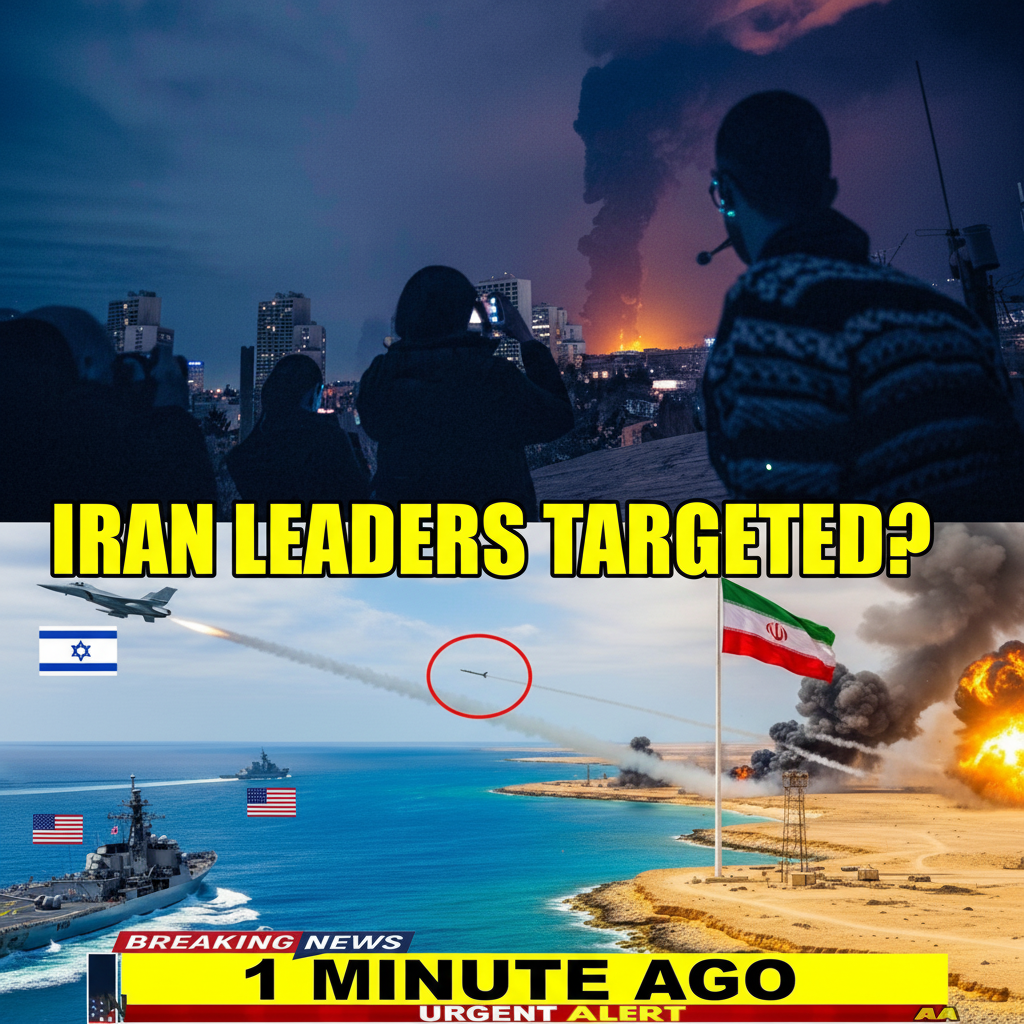
The coordination between the US Navy and Israel’s elite Unit 8200 was nothing short of extraordinary.
Utilizing clandestine GPS beacons and advanced electronic warfare tactics, they turned Iran’s own defense systems against themselves, showcasing the reality of modern digital warfare.
The operation was meticulously planned, with every detail accounted for.
The Arleigh Burke-class destroyers, weighing 9,500 tons, and the formidable B-1B Lancer bombers played pivotal roles in this high-stakes drama.
As the missiles struck their targets, the world held its breath, witnessing a display that felt more like a scene from a Hollywood blockbuster than a real-life military engagement.
But how did this unprecedented alliance come to fruition? The answer lies in the intricate web of intelligence and technology that binds these two nations.
Unit 8200, Israel’s renowned intelligence unit, was instrumental in tracking what they termed “invisible” missiles, employing cutting-edge technology to monitor and intercept threats.
Their expertise in cyber warfare allowed them to infiltrate the IRGC’s networks, creating a digital trap that left Iranian defenses vulnerable.
As the operation unfolded, the stakes escalated dramatically.
The F-35I Adir jets, known for their stealth capabilities, soared above the battlefield, providing crucial air support.
Their presence signified not just military might but a psychological edge, instilling fear in the hearts of the adversaries below.
The digital trap set by the Israelis ensured that Iran’s response was not only delayed but also ineffective, as their systems were manipulated to work against them.
The narrative of this operation is not merely about technology and firepower; it is also about the psychological warfare that accompanies modern conflicts.
The IRGC, once seen as an impenetrable fortress, found themselves exposed, their strategies unraveling before their eyes.
This operation was a testament to the power of collaboration and innovation in warfare, where information can be as lethal as any missile.
As the dust settled, the implications of this operation reverberated throughout the region.
The concept of total air supremacy was no longer a distant dream; it was a reality demonstrated in real-time.
The Suicide Swarm tactics, employed by the allied forces, showcased a new era of warfare where overwhelming numbers and precision strikes can dismantle even the most formidable defenses.
In the aftermath, the world was left to grapple with the ramifications of this bold move.
The US Air Defense systems, which had been on high alert, proved their worth by intercepting Iranian missiles with deadly efficiency.
The message was clear: any aggression towards the United States or its allies would be met with swift and decisive action.
However, this operation was not without its critics.
Some voices raised concerns about the potential for escalation in an already volatile region.
The balance of power shifted dramatically, and with it, the risk of retaliation from Iran loomed large.
The geopolitical landscape was forever altered, and the repercussions of this alliance would be felt for years to come.
As we reflect on this extraordinary event, it is essential to recognize the delicate balance between showcasing military might and the potential for unintended consequences.
The operation was a display of technological superiority and strategic brilliance, yet it also served as a reminder of the fragility of peace in a world where alliances can shift in the blink of an eye.
In conclusion, the night the sky ignited will be remembered as a pivotal moment in modern military history.
The collaboration between the US Navy and Unit 8200 not only dismantled a significant threat but also demonstrated the power of innovation in warfare.
As the dust settles, the world watches closely, aware that the next chapter in this ongoing saga is yet to be written.
This event serves as a stark reminder of the complexities of international relations, the ever-evolving nature of warfare, and the lengths nations will go to protect their interests.
The alliance forged in the heat of battle may very well shape the future of military engagements for years to come.
The question remains: what will the next move be in this high-stakes game of chess?