Middle East Tensions Surge as Iran Issues Strong Warning to U.S. Officials
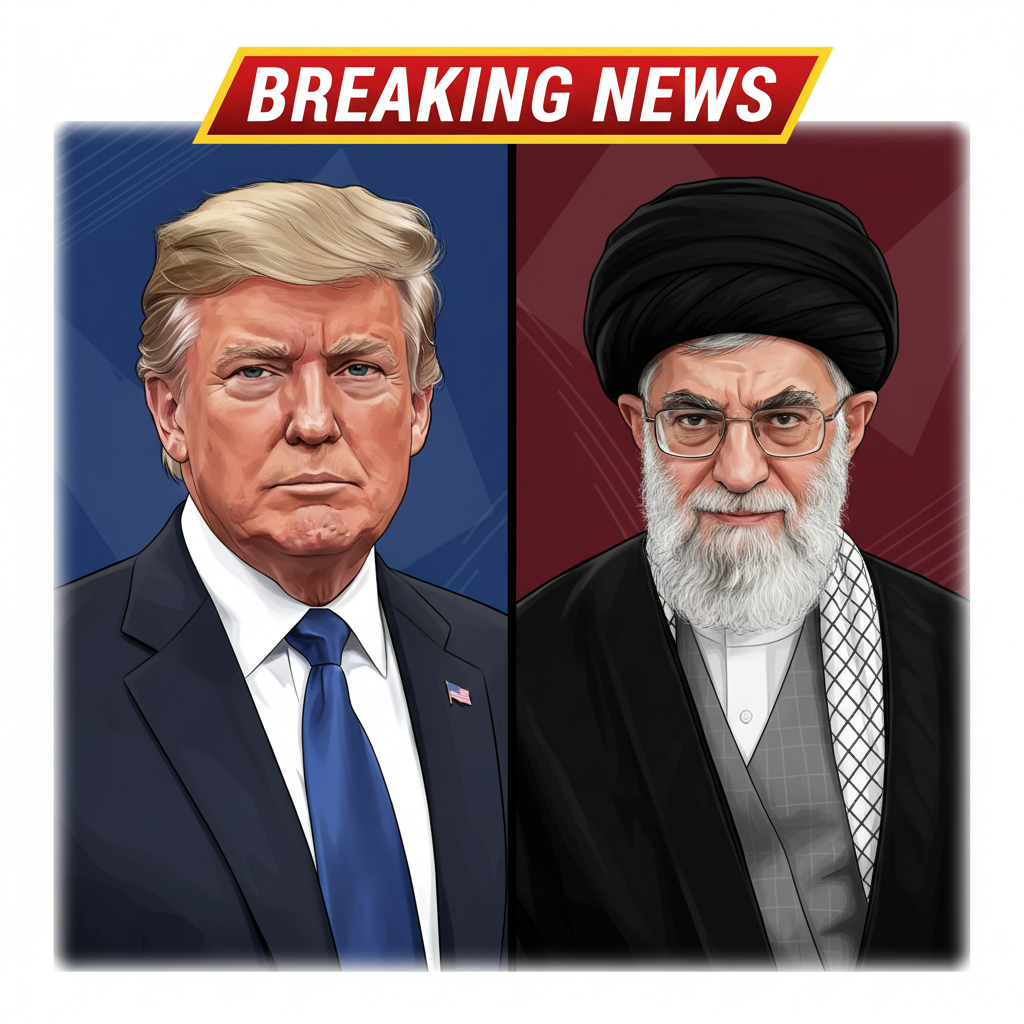
In a significant development, Iranian authorities have issued a stark warning, indicating their intent to hold U.S. leadership accountable for perceived actions against its Supreme Leader. This declaration comes amidst an escalating military engagement in the region, which has seen both sides intensify their rhetoric and actions.
U.S. Operations and Iranian Retaliation
U.S. President Donald Trump recently suggested that the ongoing military conflict with Iran could conclude expeditiously following a series of coordinated airstrikes by the United States and its allies. These operations reportedly targeted Iran’s military infrastructure, missile facilities, and elements of its nuclear program. President Trump stated that a substantial portion of Iran’s key targets had been addressed, suggesting “practically nothing left to target.” U.S. officials aim to diminish Iran’s military capabilities and encourage a halt to its nuclear ambitions.
However, these actions have reportedly triggered considerable responses from Iran, including a series of drone and missile launches across the Persian Gulf region. Analysts caution that despite the U.S. administration’s optimism for a swift resolution, the situation remains fluid and prone to further escalation.
Tragic Incident Sparks Global Outcry
A recent, deeply regrettable incident involving a missile impact on an elementary school in the Iranian city of Minab has drawn widespread international condemnation and intensified scrutiny of the coalition’s air campaign. Initial inquiries suggest that the incident, which led to numerous civilian impacts, many affecting children, may have resulted from outdated intelligence.
This event has become a focal point of controversy within the conflict, prompting calls from some U.S. lawmakers for a comprehensive investigation into the target selection process and why the school was not identified as a protected civilian area. While President Trump initially attributed blame elsewhere, he later affirmed his acceptance of the Pentagon’s impending investigation findings. The tragic situation highlights critical concerns regarding civilian protection and the ethical considerations of modern aerial conflict.
Reports of Civilian Impacts and Cultural Site Concerns
As the air campaign progresses, Iranian officials claim widespread impacts on civilian infrastructure across the country. Authorities report numerous civilian impacts since the conflict’s onset, though independent verification of these figures remains challenging. Furthermore, several historically and culturally significant landmarks, including the Golestan Palace and Chehel Sotoon Palace, have reportedly experienced damage due to nearby operations. International heritage organizations have voiced their profound concern. Iranian leaders have characterized these impacts as an affront to the nation’s cultural legacy, while Western officials assert their operations exclusively target military assets.
Regional Stability and Global Economic Implications
The intensifying conflict is increasingly impacting global shipping and regional security. Allegations of Iranian drone and missile activities targeting vessels in and around the Strait of Hormuz, a critical global oil shipping artery, are a source of growing apprehension. Some nations in the Gulf have reportedly sought naval escorts for oil tankers, but U.S. military officials indicate that current security risks are elevated. Disruptions in this vital waterway have ignited worries about potential increases in global energy prices and broader economic repercussions. Despite these mounting tensions, President Trump continues to express confidence in an imminent end to the conflict, affirming a position of strength.






