A growing debate over trade policy between the United States and Canada has drawn attention from economists, policymakers, and business leaders, highlighting the complex economic ties between the two neighboring countries.
Recent discussions intensified after Donald Trump raised the possibility of new tariffs on Canadian imports, including proposals that could place duties of up to 25% on certain goods. The move was presented by supporters as part of a broader effort to protect American industries and address trade imbalances.
However, the tariff threats have also sparked responses from Canadian leaders and international trade observers.
Canada Expands International Trade Outreach
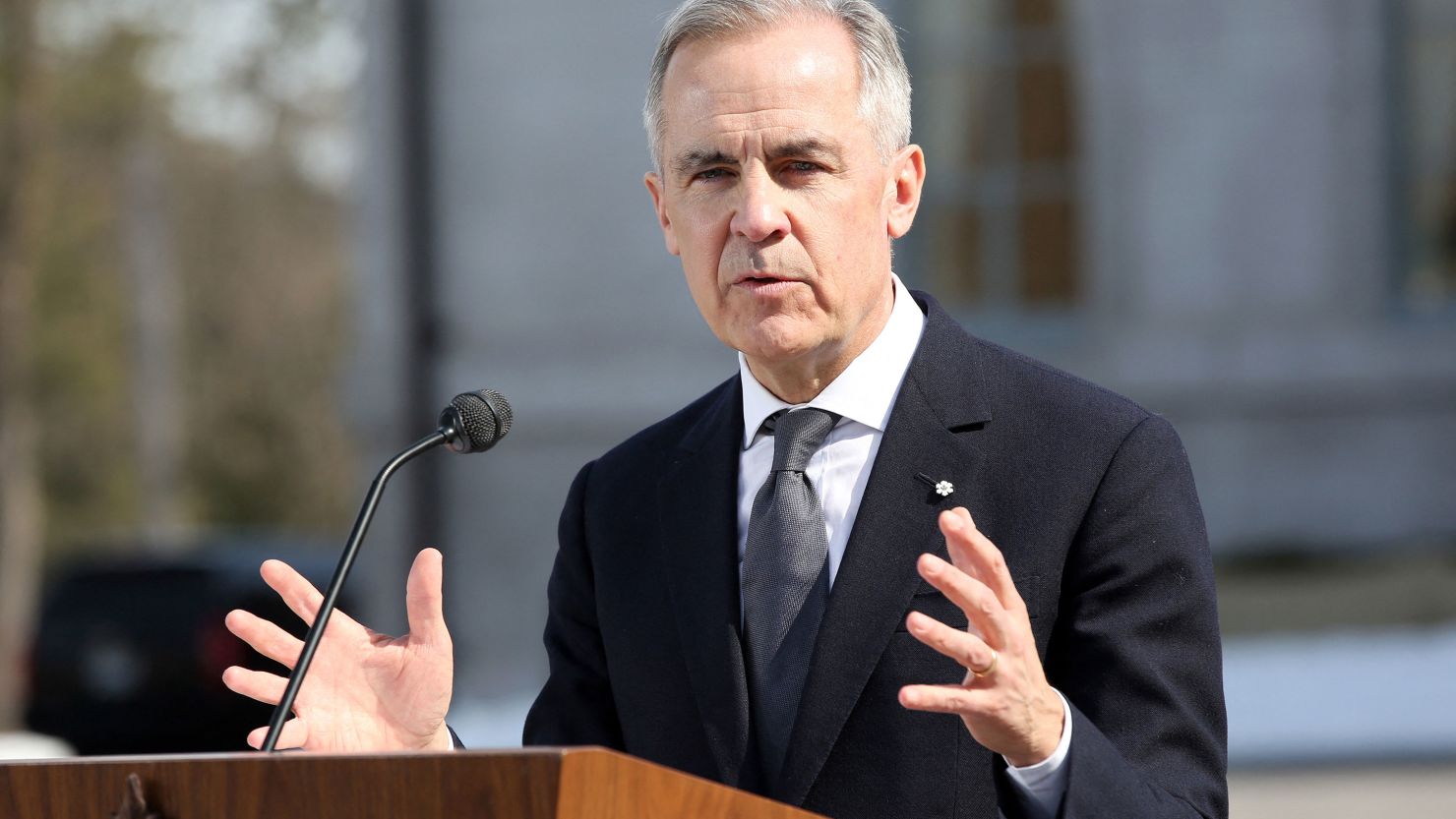
Canadian Prime Minister Mark Carney has emphasized strengthening Canada’s trade relationships with a wider group of global partners. In recent months, Canadian officials have pursued deeper economic cooperation with several major economies, including the European Union, Japan, South Korea, Mexico, and China.
Trade analysts say this strategy reflects a long-term goal of diversifying export markets and reducing reliance on any single trading partner. Canada has historically depended heavily on trade with the United States, but recent policy discussions have focused on expanding global partnerships.
Business Leaders Weigh In
Prominent investors have also commented on the broader implications of trade tensions. Warren Buffett, widely regarded as one of the most influential figures in global finance, recently noted that disruptions to long-standing trade relationships can carry significant economic consequences.
Buffett emphasized that supply chains built over decades between the United States and Canada are deeply integrated, meaning sudden policy shifts could affect industries ranging from construction and automotive manufacturing to pharmaceuticals and energy.
Potential Effects on Key Industries
The United States and Canada share one of the largest bilateral trade relationships in the world. Supply chains across both countries are closely connected, particularly in sectors such as:
Construction, which relies heavily on Canadian lumber exports
Automotive manufacturing, where parts frequently cross the border multiple times during production
Energy, especially oil and natural gas flowing to northern U.S. states

Pharmaceuticals, including the production and distribution of generic medications
Economists note that changes to tariffs or trade flows could influence prices, supply chains, and investment decisions in both countries.
Political and Economic Debate Continues
The situation has also sparked political debate within the United States about how trade policies should be implemented. Some lawmakers have raised questions about congressional oversight when major tariff actions are proposed, while others argue strong trade measures are necessary to protect domestic industries.
At the same time, Canadian officials have indicated that their country remains open to continued trade cooperation with the United States while also pursuing broader global partnerships.
Looking Ahead
Despite the tensions, experts emphasize that the United States and Canada remain among each other’s most important economic partners. The two countries share decades of trade integration and numerous bilateral agreements that shape North American commerce.
As discussions continue, analysts say future negotiations will likely focus on balancing national economic priorities with the long-standing economic relationship that connects the two neighboring economies.