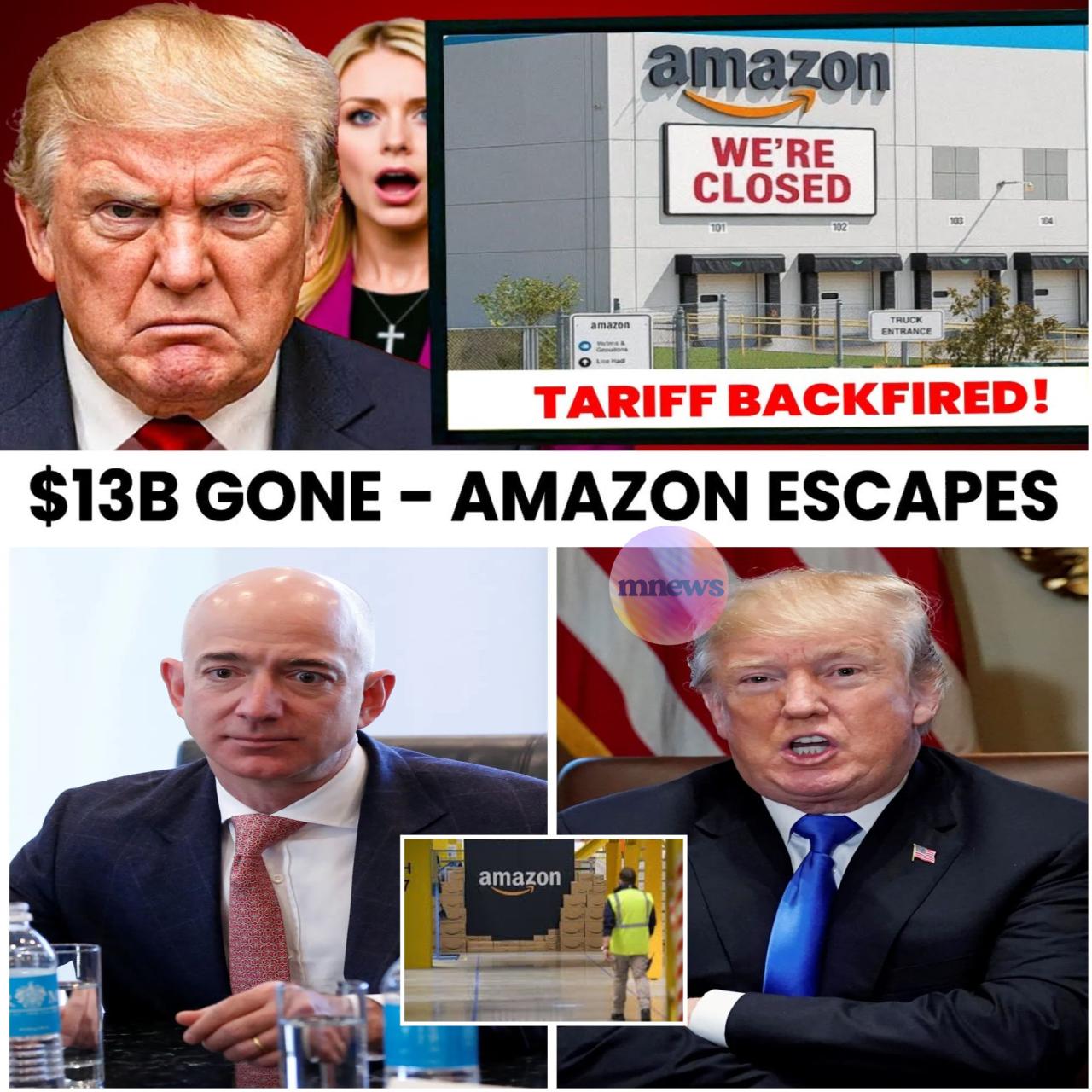
In an unprecedented shift that has sent shockwaves through the global economy, Amazon is rapidly abandoning its established U.S. supply chains in response to sweeping tariffs imposed by the Trump administration. The company, which controls approximately 40% of all online retail in the United States, is undergoing a radical transformation that could redefine the landscape of international trade.
The catalyst for this seismic change was a tariff plan announced in April 2025, which levied a staggering 145% duty on imports from China. This move not only destabilized the existing supply chains but also forced companies, including Amazon, to make critical decisions about their future. With costs skyrocketing and consumer trust hanging in the balance, Amazon opted for a drastic pivot: redirecting its supply chain away from Chinese manufacturers to new partners in Mexico, India, and Vietnam.
In a matter of weeks, Amazon scrapped over $13 billion in contracts, marking a corporate survival drill executed with remarkable speed. The company rapidly established new logistics hubs in Mexico, where warehouse activity surged by more than a third in just one year. Vietnam and India also emerged as key players, absorbing a significant share of manufacturing that was once concentrated in China. This realignment not only benefited Amazon but also transformed the economies of these countries, creating jobs and boosting exports.
However, the fallout for the United States has been dire. Major ports like Los Angeles and Long Beach, critical gateways for Pacific trade, saw container traffic plummet as shipments from China dwindled. Economists warned that a significant drop in port activity could lead to thousands of job losses, and by the end of 2025, these ports had already experienced a 20% decline in container volume. The ripple effect extended inland, impacting distribution centers and truckers who found themselves scrambling for work.
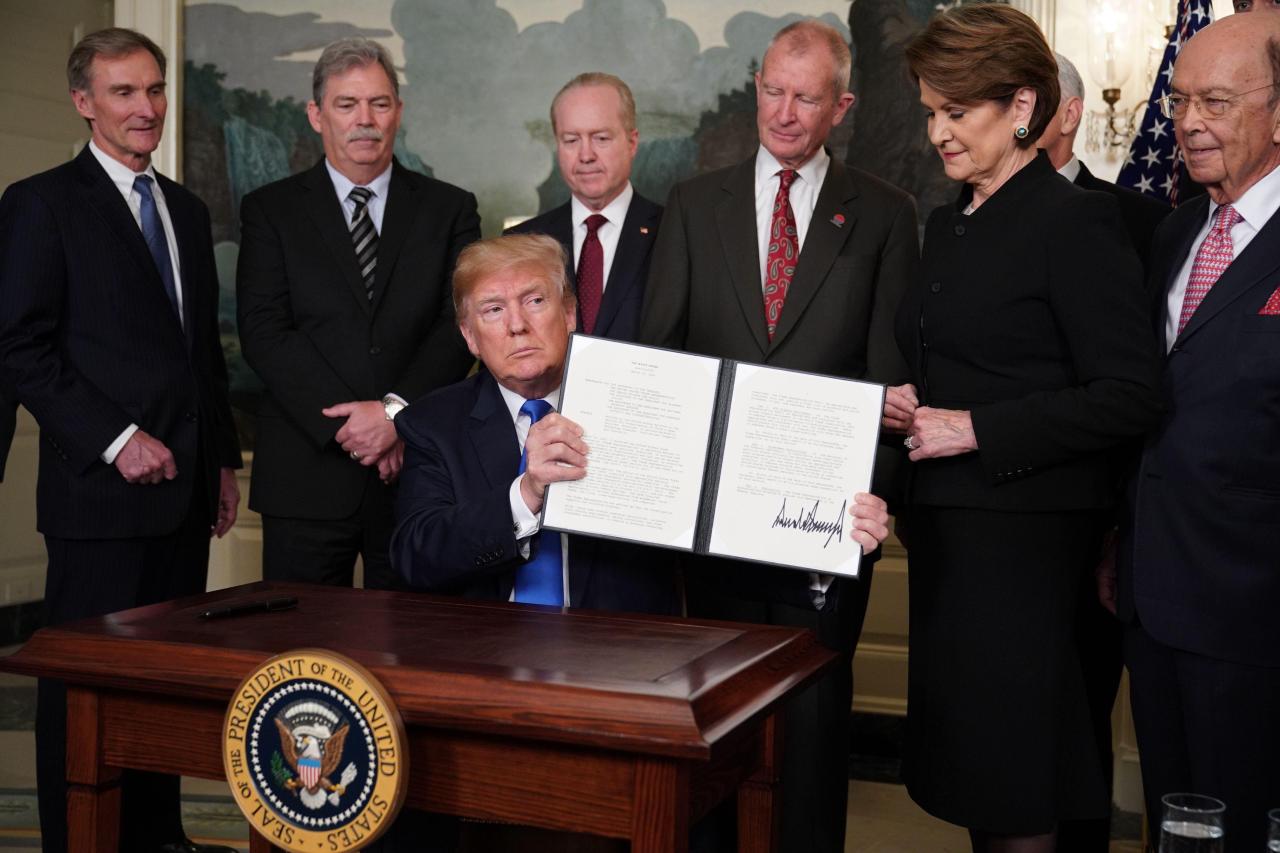
American consumers are also feeling the pinch. Initially, Amazon attempted to shield shoppers from price increases by absorbing some of the added costs. However, by early 2026, the company could no longer bear the burden alone, leading to projected price hikes of 10% to 20% on everyday goods. Retail giants like Walmart and Target echoed similar concerns, warning of soaring costs and potential shortages.
The geopolitical implications of this shift are profound. While the U.S. aimed to weaken China’s manufacturing dominance, the strategy has inadvertently allowed other nations to fill the void. Analysts predict that if the trend continues, the U.S. could lose 15% of its share in global import traffic, undermining its economic leadership.
As Amazon navigates this turbulent landscape, the company’s survival strategy highlights the limits of protectionism in a globalized economy. The tariffs intended to protect American jobs have instead catalyzed a reconfiguration of supply chains that leaves many workers and consumers worse off. For every job created in emerging manufacturing hubs, countless others have vanished in the U.S. economy.

The broader implications of this crisis reveal a stark reality: resilience now belongs to those who can adapt swiftly to change. Amazon’s rapid transformation underscores the vulnerability of traditional supply chains and the need for a comprehensive rethink of how goods are produced and delivered in a world marked by uncertainty.

As we move into 2026, questions loom large over the future of the retail sector. Can American businesses sustain themselves in an environment of rising prices and shrinking margins? Will consumers continue to absorb these costs, or will spending decline sharply? The answers to these questions will shape not only the retail landscape but also the economic stability of the nation.
The story unfolding is not merely about one corporation’s survival; it reflects a fundamental shift in the rules of globalization. As Amazon adapts to a new reality, the impact of these changes will resonate through the lives of ordinary Americans, reminding us that global policy decisions have far-reaching consequences on everyday life.






