Canada is done pretending everything is fine.
For years, Donald Trump’s tariffs and tantrums were treated like passing storms — something to be endured, managed, or ignored until the weather changed in Washington. But now, from premiers to business owners to everyday citizens, a new message is cutting through the noise:
Canada has limits. And one man in the White House doesn’t get to decide how Canadians live, work, travel, or dream.
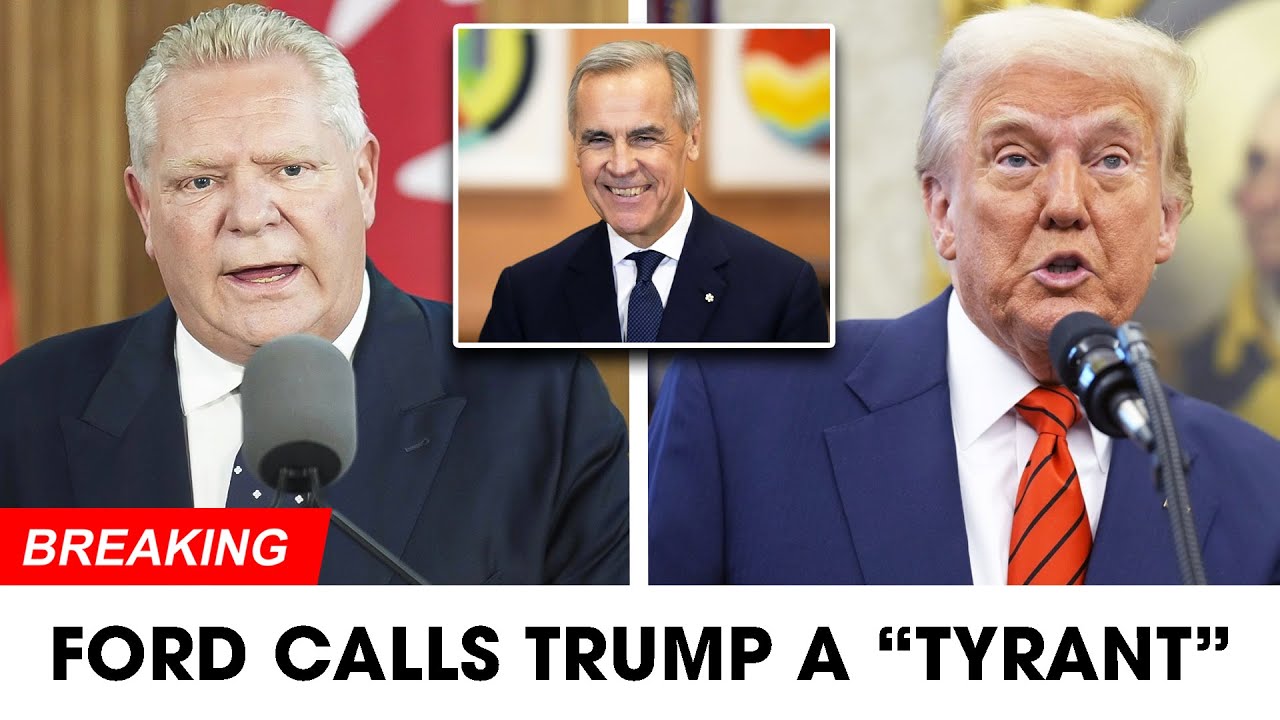
At the center of this shift stands Doug Ford.
While some politicians chose diplomatic phrases and “wait it out” strategies, Ford stepped up with blunt words and zero hesitation. He didn’t call Trump a “partner” or a “challenging ally.” He called him what many Canadians were already thinking:
A tyrant.
In an interview, Ford described how cross-border life has changed. Families that once routinely flew to Florida, shopped in U.S. border towns, or visited grandparents in the sunbelt are rethinking everything. Tourism flows south have slowed. There’s a quiet, organic boycott emerging—not organized, not ordered—just Canadians choosing to stay home.
Ford made his own stance crystal clear: this will be the first year he’s not going to Florida.
But he refused to tell Canadians how to live. “Don’t let this guy Trump determine and ruin your life,” he said. If you’ve gone to Florida your whole life, go. Visit your grandparents. Enjoy your trip. His choice to stay in Canada is personal—a line he won’t cross—not a command.
Then he drove the point home: you can’t let one tyrant change your life.
Ford didn’t stop at criticism. He framed Trump’s historically low approval rating as proof the bullying is backfiring. Americans still love Canadians, he reminded people. Canada still loves Americans. It’s just “one guy” he refuses to apologize to. “I’ll never apologize to that guy. Ever.”
That defiance isn’t just emotional. It’s strategic.
While Trump’s tariffs threaten Ontario workers and industries, Ford is leaning hard into a different kind of response: building up Canada’s internal strength so that American economic tantrums hurt less.
His weapon of choice? Tourism and local growth.
Instead of watching Canadian dollars drain into U.S. resorts, Ford wants those family vacations redirected to Niagara Falls, the Niagara region, and beyond. He points out a simple truth: ask people around the world where Toronto is, and some may hesitate. Ask them where Niagara Falls is? Everyone knows.
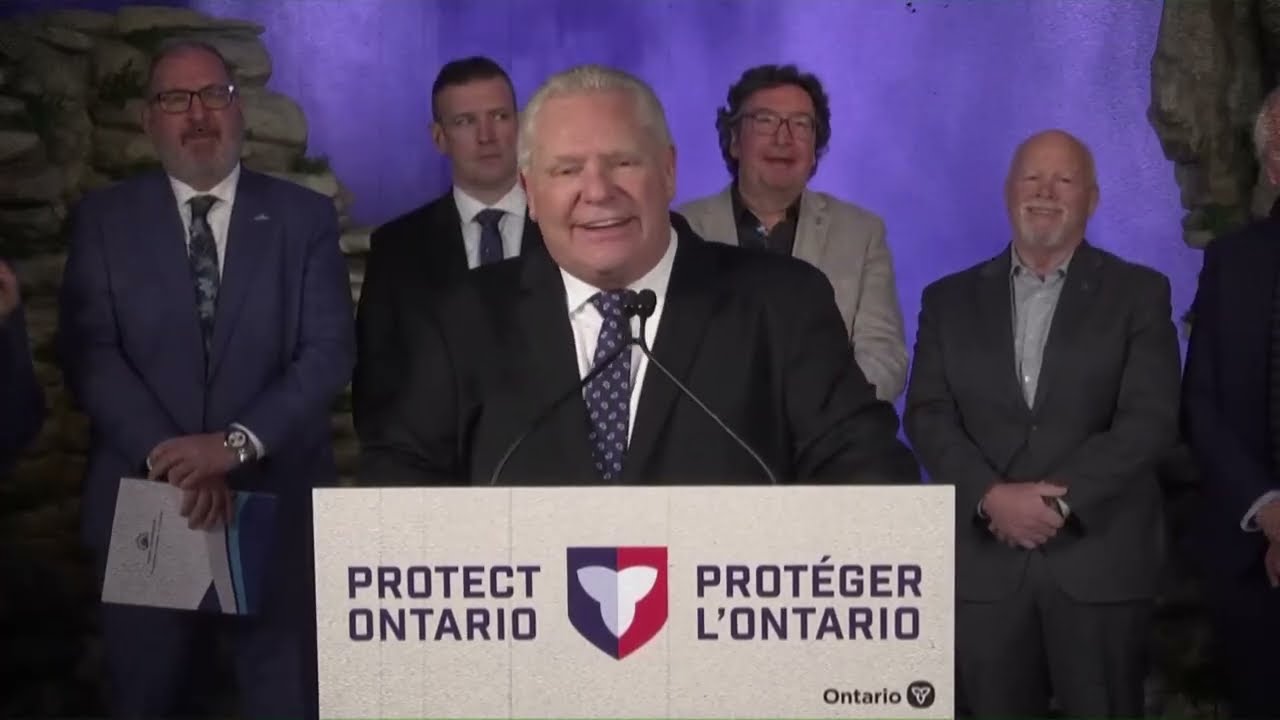
So Ford’s government launched the “Destination Niagara” strategy — a multibillion-dollar push to turn Niagara from a quick stopover into a global, week-long destination. The plan is aggressive:
Attract 25 million visitors a year.
Generate an extra $3 billion annually.
Double how long people stay in the region.
Upgrade casinos, build new world-class attractions, and expand arts, culture, and transport.
Ford even talks about extending the Niagara airport runway to bring in big international jets — 3,000 feet, and if that’s not enough, then 5,000. The goal is simple: make Niagara not just a place people visit on their way to somewhere else, but the main event.
At the same time, ordinary Canadians are quietly changing their habits. They’re buying domestic wine and spirits. They’re choosing Canadian products. Ontario wine sales are surging. Agritourism is booming. No one needed a government slogan to make it happen. It’s a grassroots, consumer-level way of saying: we’ll look after our own.

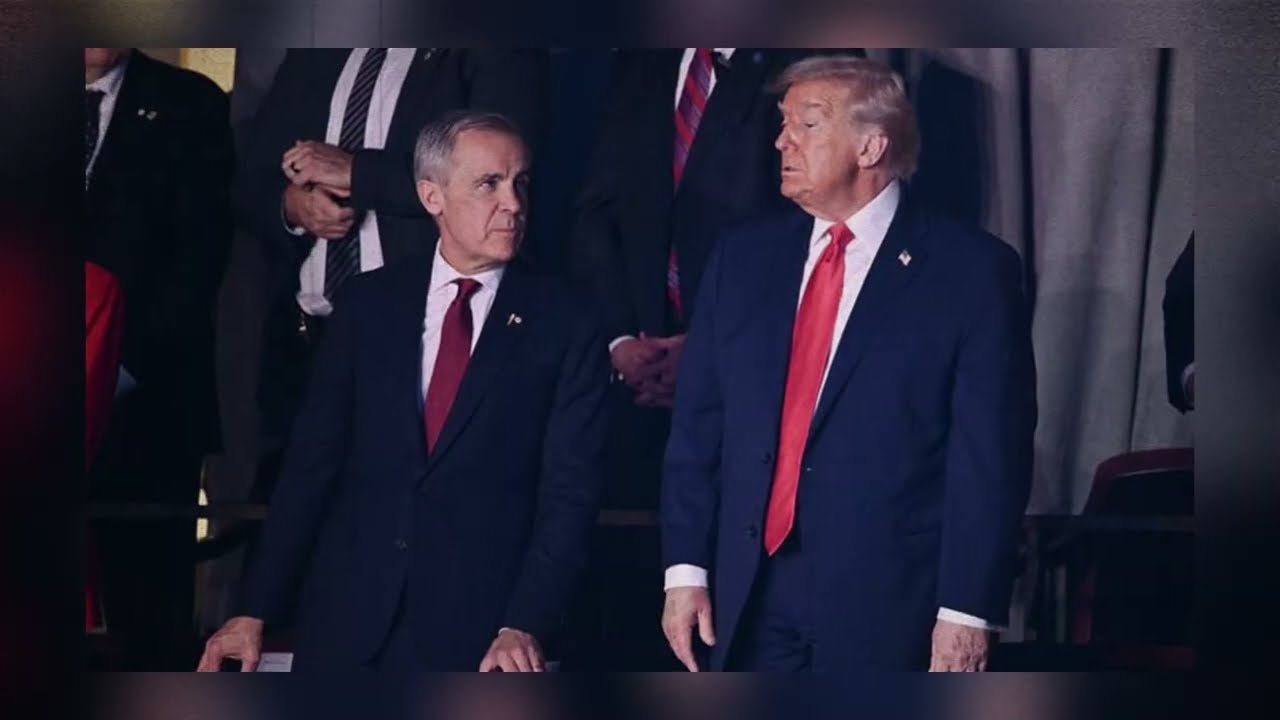
While Ford fights loudly on the front lines, Prime Minister Mark Carney (in this narrative) is playing the long game. Where Ford confronts, Carney recalibrates. His approach is quieter but just as sharp: reduce dependence on the U.S., build credibility abroad, and strengthen Canada’s reputation as a stable, disciplined partner in a volatile world.
Together, Ford and Carney are shaping a new posture: Canada is not retreating. It’s repositioning.
It’s turning Trump’s economic attacks into fuel for domestic tourism, stronger supply chains, and a new kind of confidence. Instead of letting tariffs define them, Canadians are defining themselves — at the border, on store shelves, in their travel plans, and in their politics.
This moment won’t be remembered as a time when Canada bowed its head and absorbed the hit. It will be remembered as the moment the country stood taller, called a tyrant a tyrant, and chose resilience over fear.