Senior Pentagon officials and top military commanders are actively developing contingency plans to address potential unlawful orders from a future Trump administration, multiple sources confirm. This unprecedented internal planning underscores deepening institutional concerns within the Department of Defense about a second Trump presidency. The strategic discussions focus on legal and procedural firewalls to contain a commander-in-chief who has previously threatened to deploy troops against domestic targets.
The planning was initiated under current Defense Secretary Lloyd Austin, a former four-star general himself. It involves high-level tabletop exercises and scenario analysis led by civilian and uniformed leadership. These exercises specifically model responses to directives that would violate the Constitution or long-standing laws prohibiting the use of the military for domestic law enforcement.
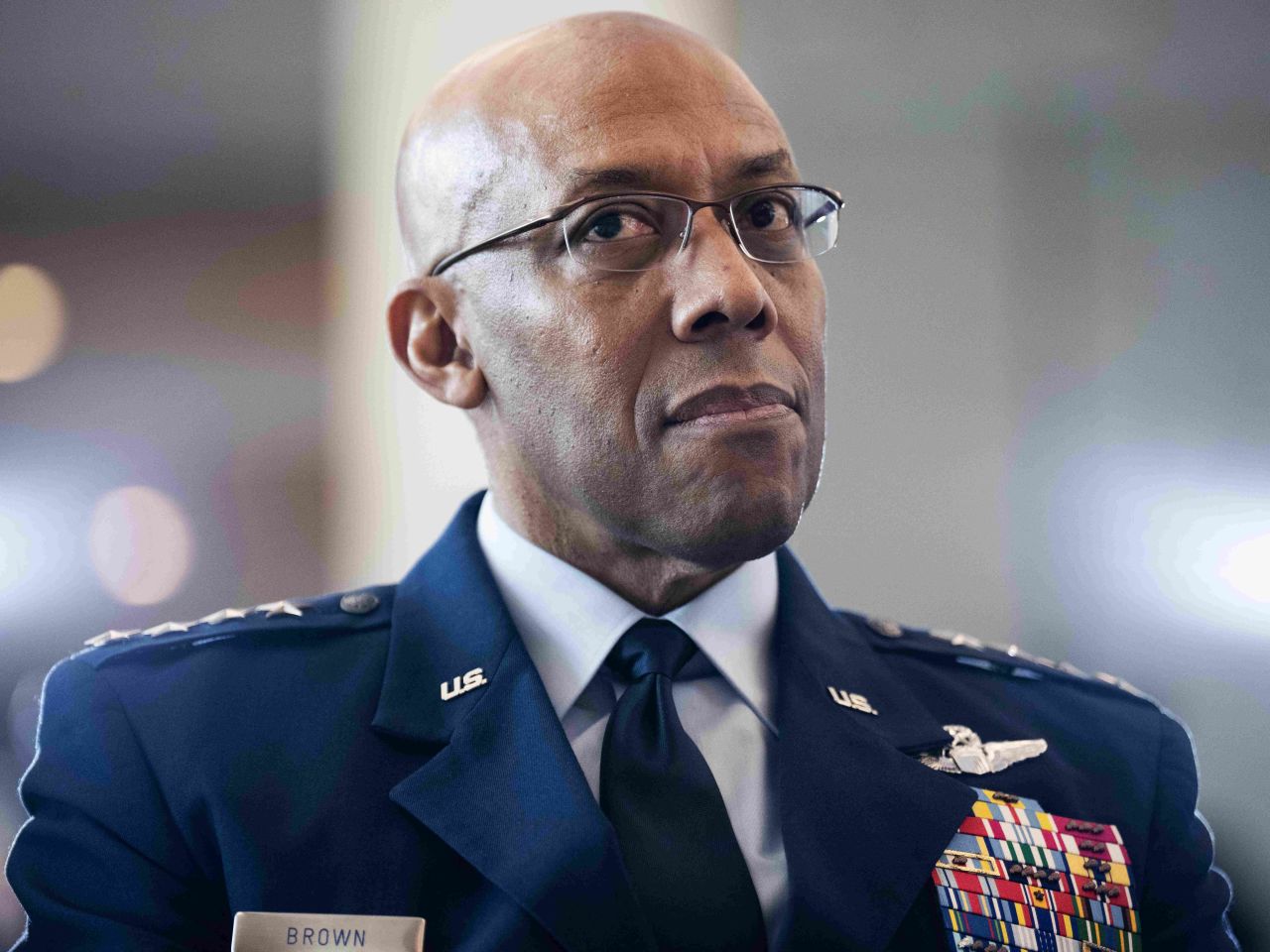
At the core of the military’s dilemma is the principle of civilian control, a bedrock of American democracy. All service members swear an oath to follow the orders of the president as commander-in-chief. However, that same oath requires them to defend the Constitution, and military law explicitly prohibits following unlawful orders. Distinguishing between a controversial legal order and an outright illegal one will fall to the Pentagon’s top lawyers and its most senior officers.
Concerns are not hypothetical. During his first term, President Trump utilized National Guard and federal law enforcement to clear protesters from Lafayette Square for a photo opportunity. That event prompted then-Chairman of the Joint Chiefs, Gen. Mark Milley, to publicly apologize for his role and vow the military would not be drawn into politics again. Trump later accused Milley of treason and suggested he should be executed.
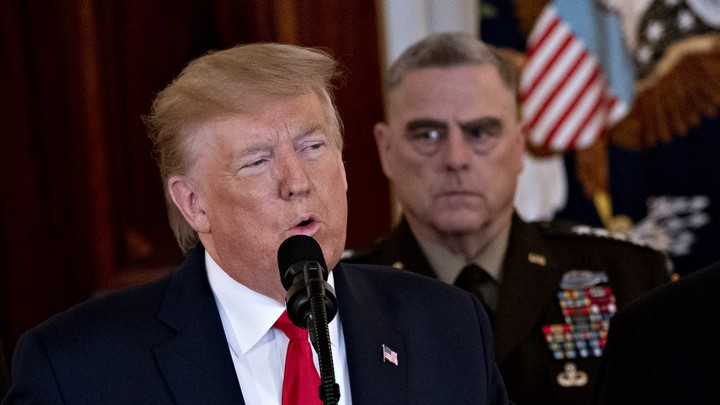
Retired Gen. Milley and other former Trump-era officials, including former White House Chief of Staff John Kelly and former Defense Secretary Mark Esper, have issued stark public warnings. They have described Trump as a threat to democracy and unfit for command, with Esper stating he is “unhinged.” Their testimonies have informed the current Pentagon’s risk assessments.
The contingency planning examines several potential flashpoints. One is a mass deployment of active-duty troops to the southern border to enact large-scale immigration enforcement, a move that could test the limits of the Posse Comitatus Act. A more extreme scenario involves using the military to round up and detain millions of undocumented immigrants, a logistically staggering and legally dubious operation.
The most alarming scenario for planners is an order to use federal troops against American civilians under the pretext of quelling domestic unrest or targeting political opponents. Such an act, framed by Trump allies as dealing with “the enemy within,” would represent a direct assault on constitutional rights and likely trigger a historic crisis in civil-military relations. In such an event, officials speculate the response could range from mass resignations of senior officers to a public refusal to comply. A senior general might take the extraordinary step of publicly declaring an order unlawful. While the president has broad authority to appoint and dismiss officers, a wholesale revolt of the senior officer corps would present an insurmountable practical and political barrier.
Legal battles would inevitably follow. The Trump administration would likely seek favorable rulings from allied judges to compel military compliance. Opponents would rush to other courts seeking injunctions. The Supreme Court could ultimately be asked to define the limits of presidential power over the military in a domestic context, a largely untested legal frontier.
The current planning aims to establish clear, lawful channels for dissent and delay within the chain of command. The goal is to ensure any potentially illegal order is thoroughly vetted by the Judge Advocate General’s Corps and senior civilian appointees, creating a procedural speed bump. This process is designed to protect individual service members from legal liability while upholding the Constitution. Secretary Austin recently underscored this commitment to institutional integrity in a memo to the entire force. He emphasized the military’s duty to remain apolitical and committed to an orderly transition of power, a message widely interpreted as a warning against politicization. The memo serves as a foundational document for the ongoing internal preparations.
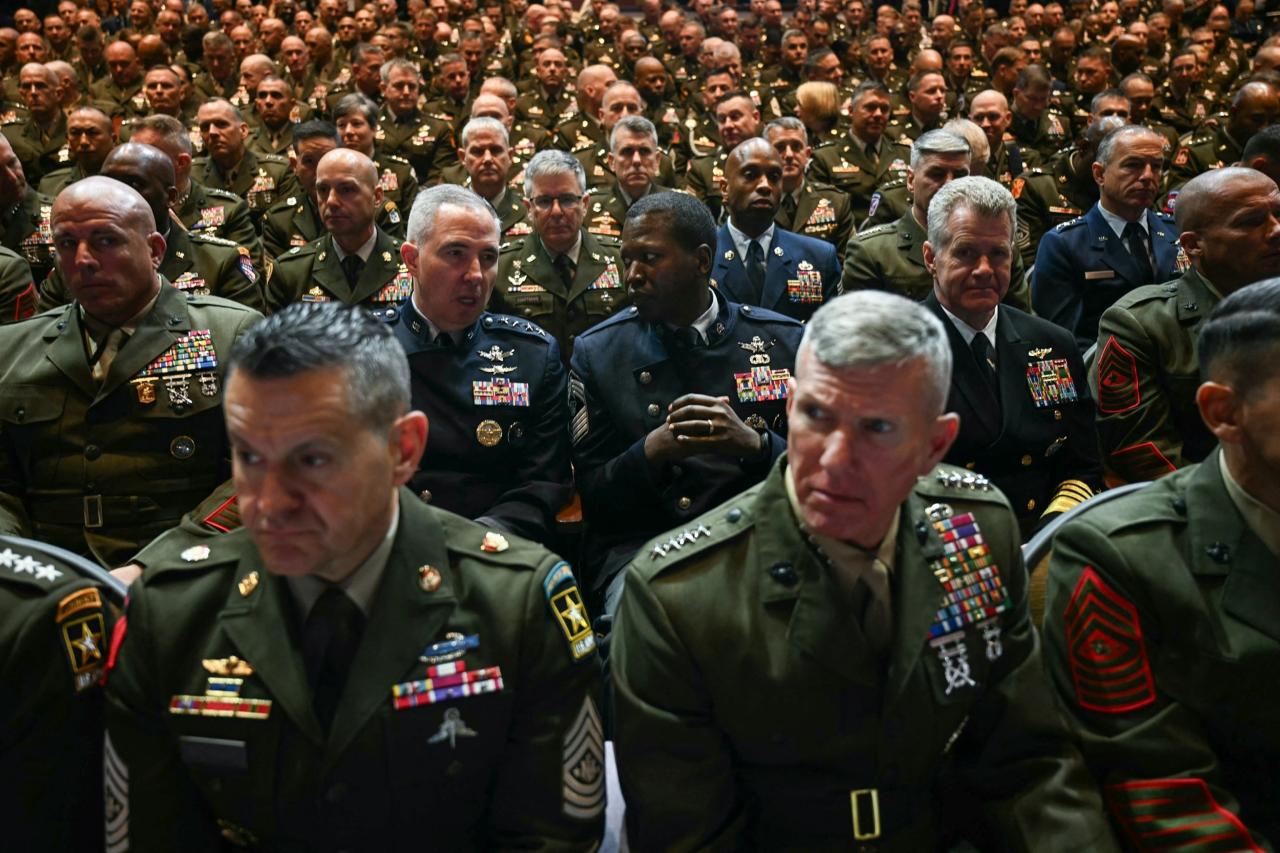
These revelations highlight a military leadership that feels burned by its first experience with Trump and is determined not to be used as a political instrument. The generals and admirals planning for this contingency are walking a fine line, preparing to uphold their oath to the Constitution while avoiding any appearance of insubordination or a coup.
The very existence of these plans signals a profound rupture in trust between the perm