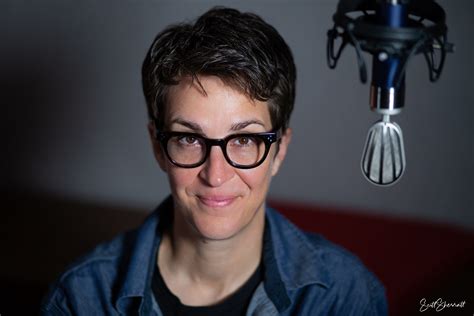
Rachel Maddow is often presented as a singular intellectual voice in American media, but her real power lies in something far larger: her position within a highly efficient liberal media machine. Night after night, Maddow does more than explain the news—she curates a version of political reality for millions of viewers. Her storytelling does not merely inform; it organizes chaos into a moral framework where heroes, villains, and institutional stakes are clearly defined. In a fractured information environment, this coherence is not accidental—it is influence.



What makes Maddow uniquely effective is her ability to transform complexity into inevitability. By carefully selecting historical parallels and institutional narratives, she frames political outcomes as the logical conclusion of prior events. Viewers are not just told what is happening, but why it had to happen. This technique creates a sense of intellectual inevitability that is deeply persuasive. Critics argue that this narrows interpretive space, subtly steering audiences toward predetermined conclusions while preserving the appearance of rigorous analysis.

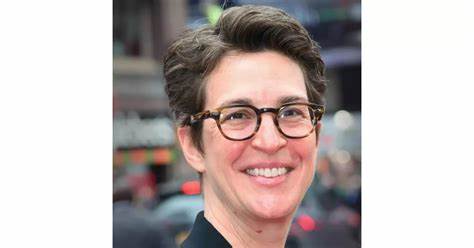

Supporters see this as responsible journalism in an age of disinformation. Detractors see something more troubling: a media ecosystem where interpretation becomes indistinguishable from consensus enforcement. Rachel Maddow does not shout, provoke, or inflame—but she structures belief. In doing so, she demonstrates how modern media power no longer relies on volume or outrage, but on narrative dominance quietly sustained over time.
img class=”aligncenter size-full wp-image-3129″ src=”http://news.topbrand.live/wp-content/uploads/2025/12/8fe8dccf4fcd5c5674ea7494e8a364e5.jpg” alt=”” width=”474″ height=”266″ />