In a shocking turn of events, Coca-Cola is set to exit its iconic Durham bottling plant after six decades, a move triggered by President Trump’s decision to double tariffs on imported steel and aluminum to a staggering 50%. This policy shift, presented as a strategy to bolster American manufacturing, has sent ripples through the beverage industry, threatening the very foundation of consumer goods and raising prices on everyday items.
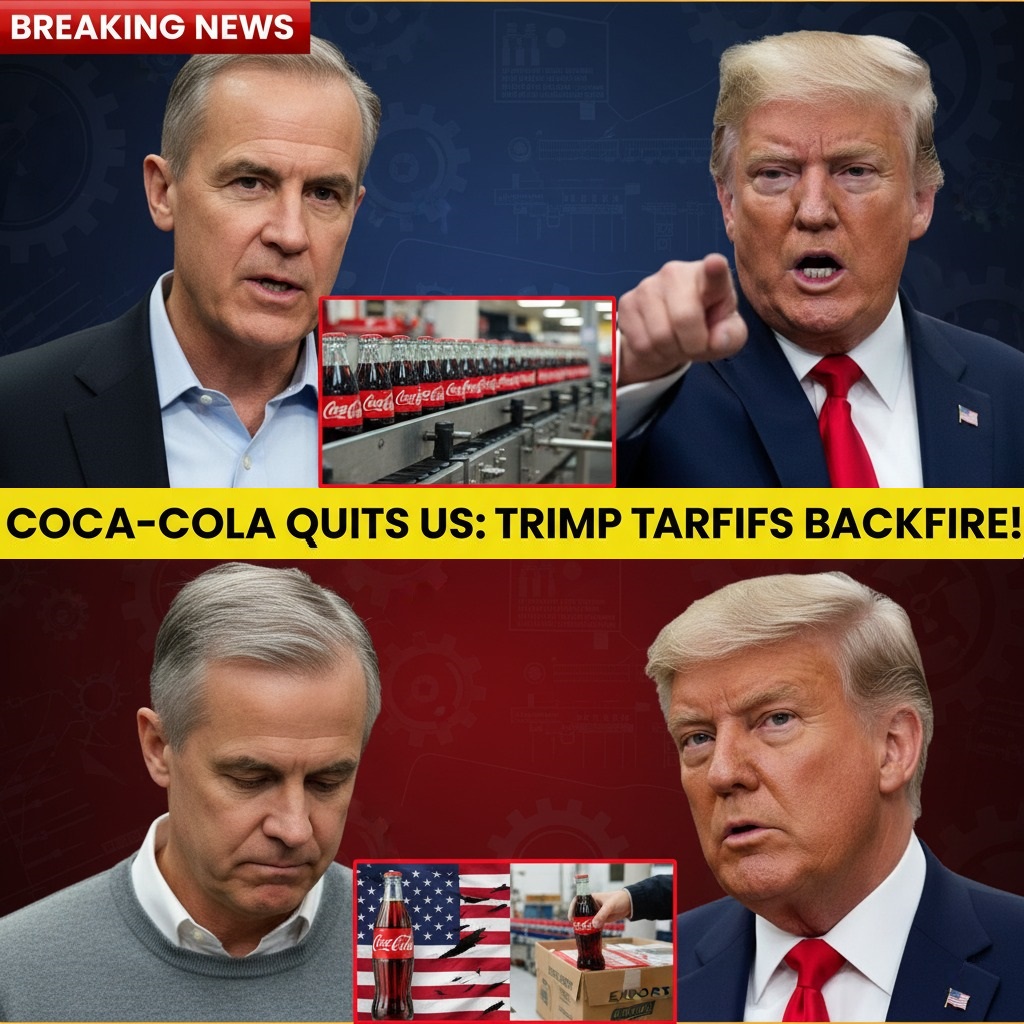
The announcement, made on June 4, 2025, has been met with immediate backlash from corporate leaders, with Coca-Cola’s CEO James Quincy sounding the alarm on rising aluminum costs. The beverage giant, heavily reliant on aluminum for its signature cans, now faces a dilemma: either absorb the costs and risk financial instability or pass on the expenses to consumers, which could lead to a backlash against the brand.
The Can Manufacturers Institute has echoed these concerns, warning that the price hikes initiated by the tariffs will inevitably trickle down to grocery store shelves, impacting consumers directly. With nearly half of America’s aluminum sourced from abroad, the tariffs have effectively disrupted a finely balanced supply chain, leading to escalating prices and tightening availability.
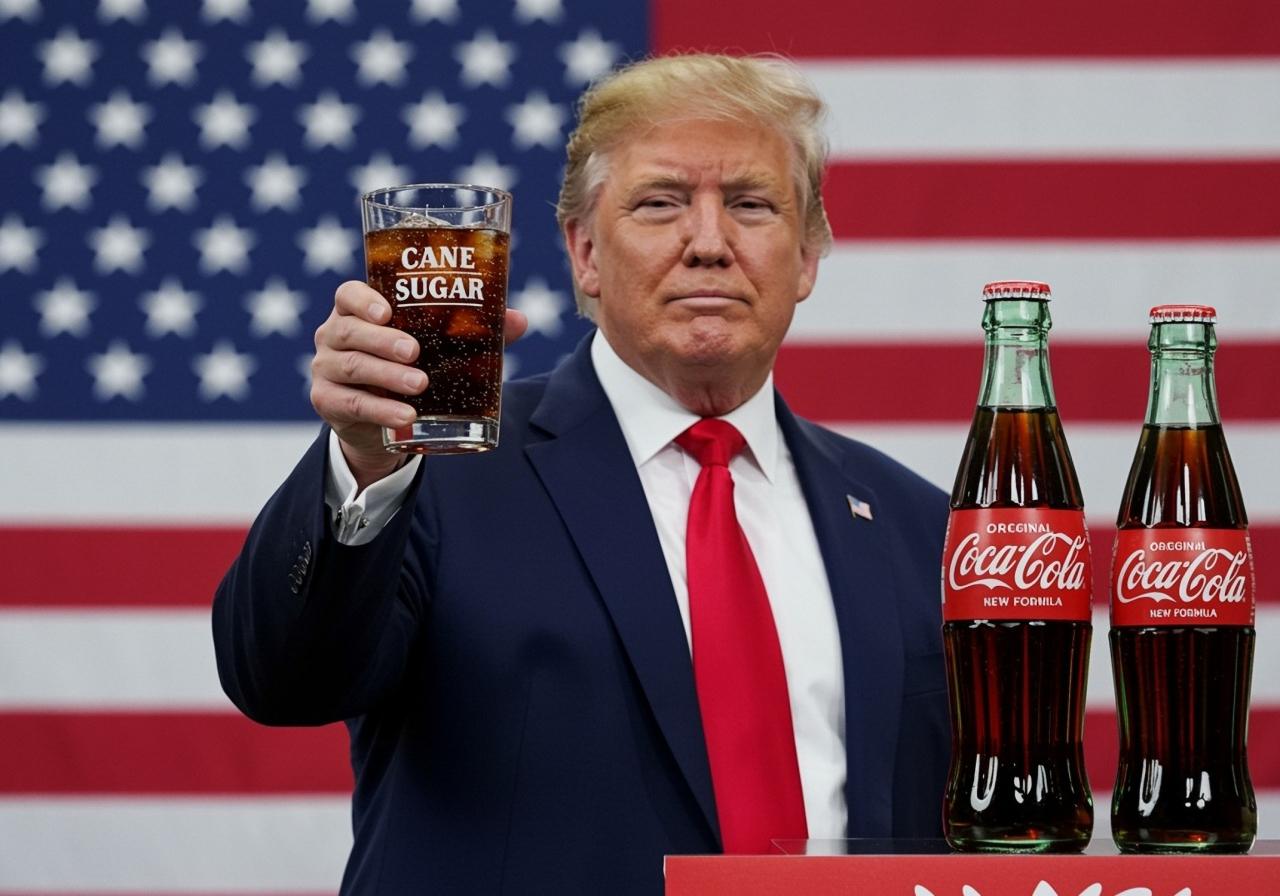
Coca-Cola is now exploring alternatives such as shifting to plastic bottles, a move that could alienate environmentally conscious consumers. The company finds itself at a crossroads, needing to adapt its packaging strategy while maintaining its brand identity. This precarious balancing act underscores a broader crisis within the beverage industry, where companies are grappling with the fallout of a trade war that has turned their supply chains upside down.
The implications of these tariffs extend beyond Coca-Cola. Craft breweries and smaller food companies are particularly vulnerable, facing existential threats as they struggle to manage rising packaging costs. The Aluminum Association has warned that even a full revival of domestic smelting capacity would not be enough to close the supply gap, leaving many companies caught in a cycle of rising costs and dwindling options.
As Coca-Cola navigates this turbulent landscape, it is also ramping up its lobbying efforts, urging lawmakers to reconsider the tariffs that are harming American businesses more than they are helping. Despite the company’s efforts, the Trump administration remains steadfast, framing the tariffs as a matter of national security and economic strategy.
In the midst of these challenges, Coca-Cola recently reported quarterly earnings that exceeded expectations, highlighting the complex dynamics at play. While higher prices helped offset some pressures, sales volume has begun to slip, indicating a potential shift in consumer behavior. Wealthier consumers are pulling back on higher-priced sodas, while lower-income shoppers are becoming increasingly price-sensitive.
The future of Coca-Cola and the broader beverage industry now hangs in the balance. The ripple effects of these tariffs are likely to be felt for years to come, reshaping consumer habits and industry strategies alike. With each decision made in response to this crisis, Coca-Cola is not just fighting for its bottom line but also redefining its relationship with consumers in an interconnected global economy.
As the situation unfolds, one thing is clear: the consequences of these tariffs will extend far beyond the boardrooms of multinational corporations. Everyday households will feel the impact as prices rise, serving as a stark reminder that the decisions made in Washington can have profound effects on grocery bills and consumer choices. The unfolding story of Coca-Cola amidst this trade war is a case study in resilience and adaptation, reflecting the complexities of modern commerce in a world where policy decisions can disrupt even the most established industries.