What began as a procurement discussion has rapidly evolved into a geopolitical flashpoint. Canada’s reported interest in Sweden’s Gripen fighter jet—paired with Stockholm’s unexpectedly expansive technology-transfer offer—has sent tremors through Washington, raising questions about alliance politics, defense sovereignty, and the future balance of power in North America’s airspace.
According to defense analysts and officials familiar with the matter, Ottawa’s move caught many in the U.S. policy establishment off guard. For decades, Canada’s major defense acquisitions have largely aligned with American platforms, reinforcing interoperability and signaling strategic unity. The sudden gravity surrounding Gripen, however, suggests that Canada may be reassessing long-standing assumptions about who sets the terms of its national defense.’

A Deal That Goes Beyond Aircraft
At the center of the controversy is not merely the aircraft itself, but the package Sweden is reportedly willing to put on the table. Sources describe a deep technology-transfer framework that would allow Canada unprecedented access to avionics, software integration, maintenance systems, and potentially domestic production components—areas where the United States has historically drawn firm red lines.
Sweden’s defense industry has long marketed Gripen as a flexible, cost-efficient platform tailored for nations seeking autonomy over their air forces. In Canada’s case, the offer appears to strike at a sensitive nerve in Washington: the idea that a close ally could obtain capabilities and freedoms that the Pentagon has consistently declined to provide.
“This isn’t just about jets,” said one defense analyst based in Europe. “It’s about control—over upgrades, over data, over how and when the aircraft is used. That’s where the real power lies.”
Washington’s Unease Turns Vocal
The reaction in Washington has reportedly been swift and unusually sharp. Several U.S. lawmakers, speaking on background, have warned that Ottawa may be “playing with fire” by entertaining a deal that could complicate regional defense coordination and weaken North American Aerospace Defense Command (NORAD) integration.
Behind closed doors, concerns center on interoperability, intelligence security, and precedent. If Canada successfully negotiates broad technology access from Sweden, other U.S. allies may begin demanding similar concessions—or looking elsewhere.
“This challenges the traditional hierarchy,” said a former U.S. defense official. “For decades, American systems came with strings attached. Now, a non-U.S. supplier is openly advertising freedom from those strings.”
Canada Pushes Back
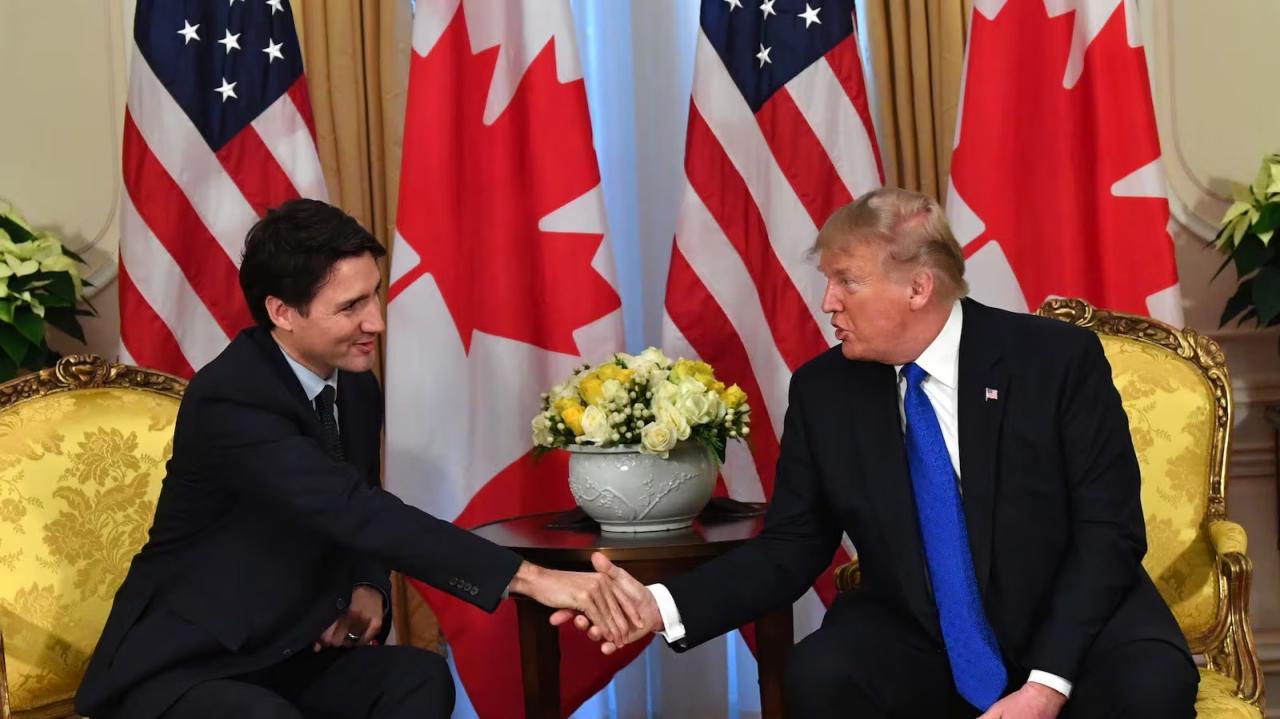
In a rare public rebuke that underscored Ottawa’s resolve, a senior Canadian military official pushed back against the criticism, emphasizing national interest over alliance comfort.
“We’re choosing what’s best for Canada—not what keeps America comfortable,” the official said, according to reports. The remark reverberated across diplomatic circles, signaling a shift in tone that many observers describe as unusually blunt for U.S.–Canada relations.
Canadian officials stress that the country remains committed to NATO and NORAD obligations, arguing that greater domestic control over defense assets could strengthen—not weaken—collective security. They also point to rising costs, delayed deliveries, and limited industrial offsets associated with traditional procurement paths as reasons to explore alternatives.
Sweden’s Strategic Moment
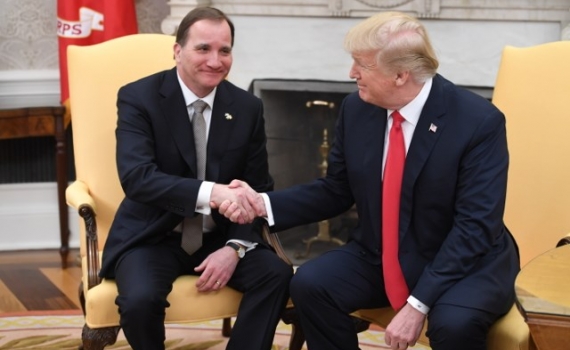
For Sweden, the episode represents more than a commercial opportunity. By openly challenging U.S. dominance in the high-end defense market, Stockholm is positioning itself as a credible third path—neither dependent on Washington nor aligned with rival power blocs.
Swedish defense executives have emphasized transparency, partnership, and long-term industrial cooperation. Analysts note that this approach resonates with mid-sized powers seeking to avoid over-reliance on any single supplier.
“Sweden is effectively saying: you don’t have to choose between capability and sovereignty,” said a Nordic security expert. “That’s a powerful message.”
Implications for the Regional Balance
As tensions rise, experts caution against viewing the situation as a zero-sum confrontation. Canada’s final decision—still not officially announced—will likely reflect a complex balancing act between strategic autonomy and alliance cohesion.
Nevertheless, the debate has already exposed underlying frictions within Western defense relationships. It has highlighted a growing appetite among allies for greater control over their military assets, even if that means pushing back against traditional expectations from Washington.
Some analysts warn that if mishandled, the dispute could erode trust. Others argue it may force overdue reforms in how the United States structures defense partnerships.
“The question,” one analyst noted, “is whether Washington adapts—or doubles down.”
A Turning Point in Defense Politics?
Whether or not Canada ultimately proceeds with Gripen, the episode may mark a turning point. It has shown that even America’s closest allies are willing to test boundaries when national interests collide with alliance norms.
For now, officials on all sides are signaling calm, insisting that discussions remain ongoing and that no final rupture is imminent. Yet beneath the diplomatic language, a deeper recalibration appears to be underway.
As one observer put it: “This isn’t just a procurement story. It’s a stress test—for alliances, for industrial policy, and for who gets to call the shots in the next era of air defense.”