A seismic shift in North American travel is underway as millions of Canadians are deliberately turning away from the United States, their traditional vacation destination, in a quiet but powerful economic rebuke. New data reveals a dramatic plunge in cross-border travel, with Canadians instead flooding airports for destinations across Europe, Asia, and South America. This mass diversion of tourism dollars is delivering a sharp blow to U.S. border towns and iconic resorts, signaling a profound change in a decades-old relationship.

The numbers paint a stark picture of avoidance. According to Flight Centre Canada, Canadian travel spending outside the U.S. for the peak period of May to July 2025 has skyrocketed. Buenos Aires saw a staggering 148% increase, Osaka, Japan 137%, and Copenhagen 112%. Even traditional sun rivals like Curaçao and Aruba jumped 101% and 71%, respectively. Lisbon, Prague, Barcelona, Dublin, and Cape Town all posted significant double-digit growth.
This exodus is not about seeking novelty alone. Experts point to a potent cocktail of political climate, perceived hostility, and financial considerations. Since the return of Donald Trump to the White House, policies on trade, immigration, and the accompanying political rhetoric have left many Canadians feeling distinctly unwelcome. The sense of a friendly neighborly visit has evaporated.
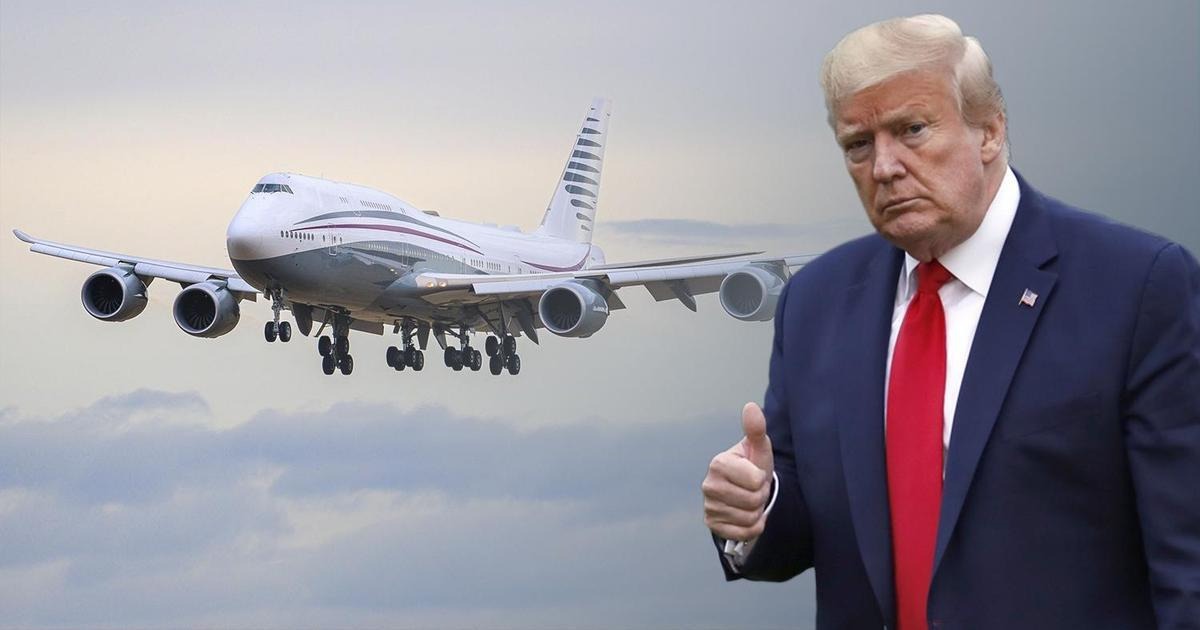
Wayne Smith of Toronto Metropolitan University’s Institute for Hospitality and Tourism Research states Canadians are now prioritizing destinations where they feel “safe, appreciated, and respected.” The flashy appeal of Las Vegas, Los Angeles, and Florida is being overshadowed by concerns over aggressive policies, border hassles, and a divisive political atmosphere. The sentiment is personal and widespread.
The economic consequences are already tangible. In Buffalo, New York, streets that relied on Canadian shoppers are noticeably quieter. Las Vegas resorts report softer summer seasons. Despite localized campaigns like “Buffalo Loves Canada” and lucrative gift card giveaways, the effort is failing to reverse the tide. Canadians feel the overtures are too little, too late.
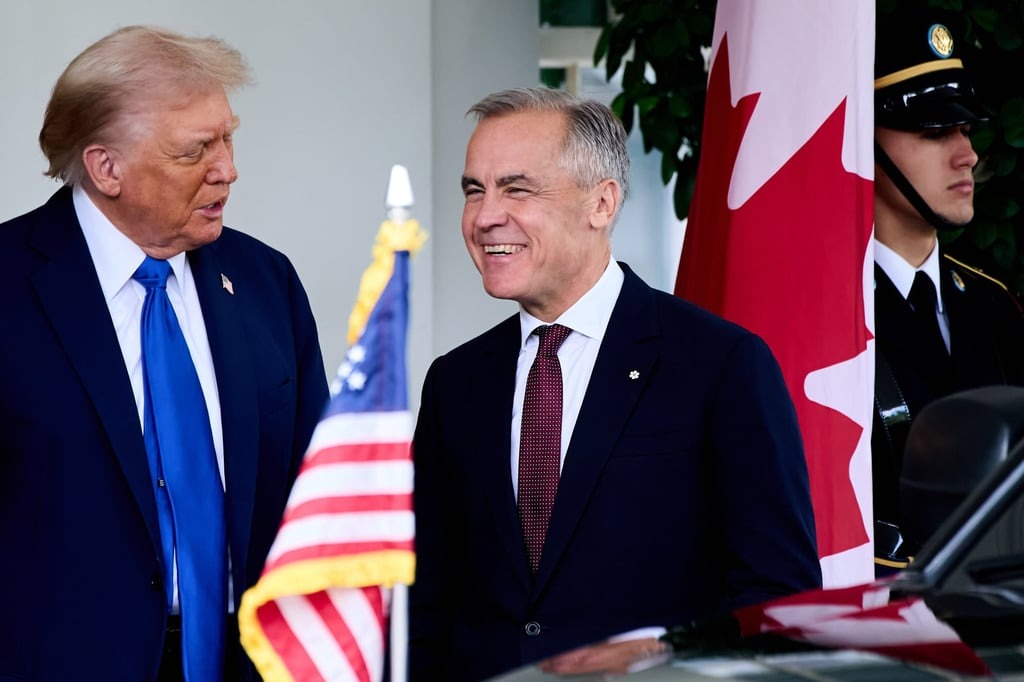
Meanwhile, nations actively courting Canadian tourists are reaping a windfall. Salvador Ramos, Vice President for the Marival Group in Mexico, confirmed a 5-6% increase in Canadian visitors, translating to roughly 15,000 additional travelers since the start of recent trade tensions. Countries are successfully marketing directly to Canadian desires for value and respect.
This trend extends beyond a seasonal blip. The World Travel and Tourism Council projects the U.S. will be the only one of 184 nations studied to see a decline in foreign visitor spending in 2025. What is unfolding is a sustained rerouting of global travel patterns, with Canadians leading the charge away from American shores.

Interviews with travelers reveal deep-seated motivations. Many cite uncomfortable border encounters, fears of political unrest, and a desire not to spend money in a country they feel is imposing punitive tariffs and rhetoric. The annual snowbird migration to Florida is being reconsidered, with many opting for longer stays in Portugal or the Caribbean instead.
The impact is a lesson in soft power and hospitality. Nations that roll out the welcome mat with targeted campaigns and visa-friendly policies are winning. The U.S., by contrast, is perceived as rolling out red tape and rhetorical barricades. The loss is measured in more than just tourism revenue; it is a erosion of goodwill and a decades-old cross-border affinity.

As departure boards in Toronto, Vancouver, Montreal, and Calgary light up with flights to Lisbon, Tokyo, and Buenos Aires, a new reality sets in. The familiar southbound flow of Canadian travelers has fractured into a global diaspora. These travelers are voting decisively with their passports, seeking value for their dollar and respect for their presence.
The message from Canadian travelers to the United States is now clear and delivered with economic force. Hospitality is a two-way street, and allegiance can be withdrawn. The world is indeed watching, as one of America’s largest and most reliable tourist markets quietly closes its wallet and looks elsewhere for a welcome.