In January 2026, a story North America has repeated for generations suddenly cracked in public: the United States leads, and Canada follows—quietly, politely, eventually.
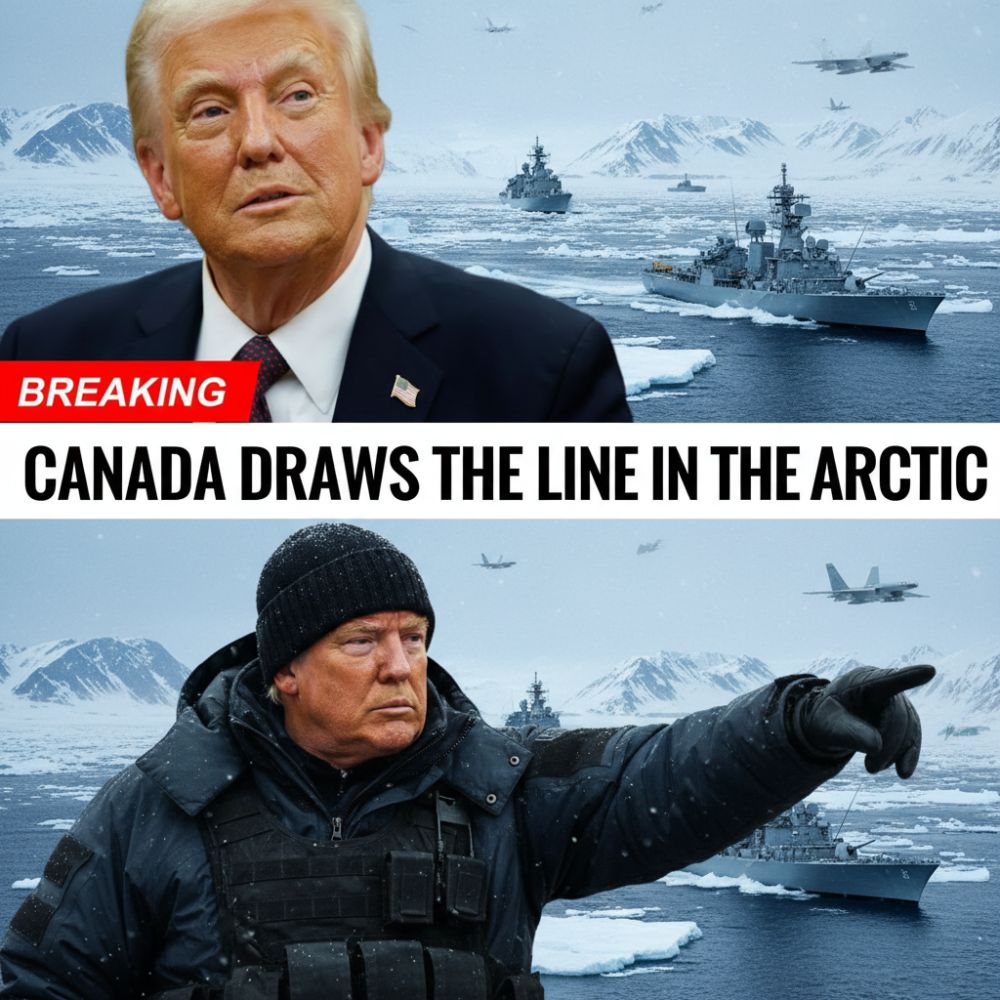
According to the video’s account, that script broke during a NATO working-group meeting in Brussels when U.S. delegates pushed language that would place Canada’s emerging Arctic defense capabilities under a unified NATO maritime command. The wording sounded technical—just another clause in a joint communiqué—but the implication was huge: in a crisis, command authority would default into NATO channels that, in practice, often mean U.S. control.
Then came the moment that reportedly froze the room.
Canada’s representative—described not as a politician, but as a senior official—refused the clause. No drama. No grandstanding. Just a firm, repeated line: national command. No “dual-key” arrangement. No automatic transfer. No default delegation of authority. And in that brief silence that followed, the video frames a larger collision: a post–World War II order meeting its first hard limit in the Arctic.

Why now?
The video ties the timing to a rising sense in Ottawa that dependence has become a liability—especially amid Trump-era volatility and public rhetoric that included “51st state” provocations. One political insult can be shrugged off. But when unpredictable pressure becomes policy, countries start doing what markets do when rules turn unstable: they diversify.
And the Arctic is where that shift becomes impossible to hide.
The video lays out a sweeping Canadian move—an Arctic defense ecosystem designed to be sovereign not just on paper, but in the most sensitive layer of modern power: data, surveillance, and command-and-control. The core claim is blunt: Canada is building an independent Arctic defense network whose authority stays exclusively in Canadian hands. Not shared. Not mirrored. Not “integrated by default.”

Then comes the hardware—described as the part that truly rattled Washington’s defense planners.
First, the video points to a Canadian-controlled constellation of low-Earth-orbit surveillance satellites—framed as a decisive break from reliance on U.S. space infrastructure. Second, it describes long-range patrol drones built for extreme Arctic conditions, providing persistent surveillance and deterrence. Third—and most politically explosive—it claims Canada is partnering with European firms on sensor technology while keeping data processing and command systems inside Canadian territory.
If that framing is accurate, this isn’t just procurement. It’s permission revoked.
For decades, U.S. strategy has rested on a core advantage: comprehensive situational awareness—especially in the Arctic, where early detection of threats (like submarines under ice) can define nuclear deterrence itself. The video argues that Canada’s move isn’t anti-American in tone, but it is undeniably anti-dependence in design. A separate “digital ecosystem” in the Arctic means Washington can’t simply assume automatic access to the same feeds, the same switches, the same operational pathways.
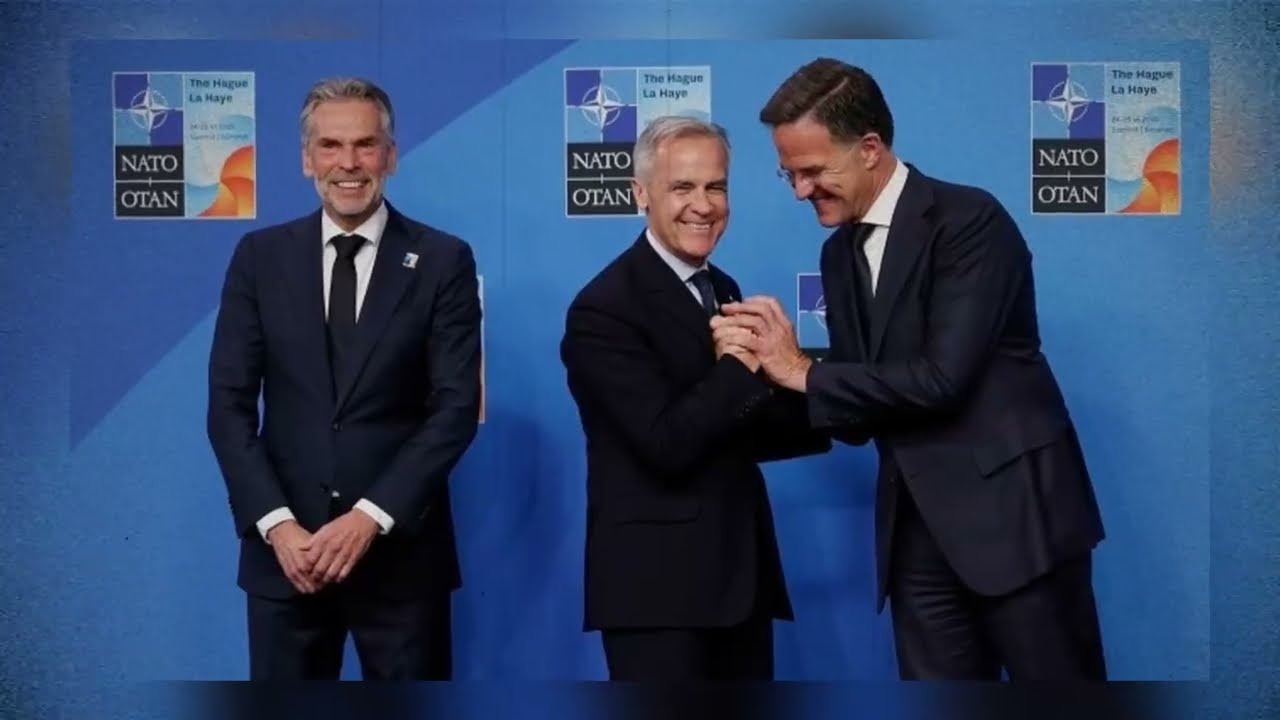
That’s why the video says this is sending shock waves through NATO, too.
Because if Canada can draw a bright line—“our territory, our command”—what stops other members from doing the same in their own regions? The fear isn’t merely capability gaps. It’s precedent: the alliance’s invisible glue has always been default interoperability under U.S. leadership. The moment a close ally insists on operational sovereignty at the command level, the balance shifts.
The deeper driver, the video argues, is that the Arctic is no longer a frozen backwater. It’s becoming a contest over shipping routes, critical minerals, energy reserves, and strategic positioning as ice recedes and access expands. Russia’s Arctic militarization and China’s “near-Arctic” ambitions are portrayed as accelerating the urgency. And the long-running legal dispute over the Northwest Passage—Canada calling it internal waters, the U.S. treating it as an international strait—lurks beneath everything like a fault line that can’t stay buried forever.
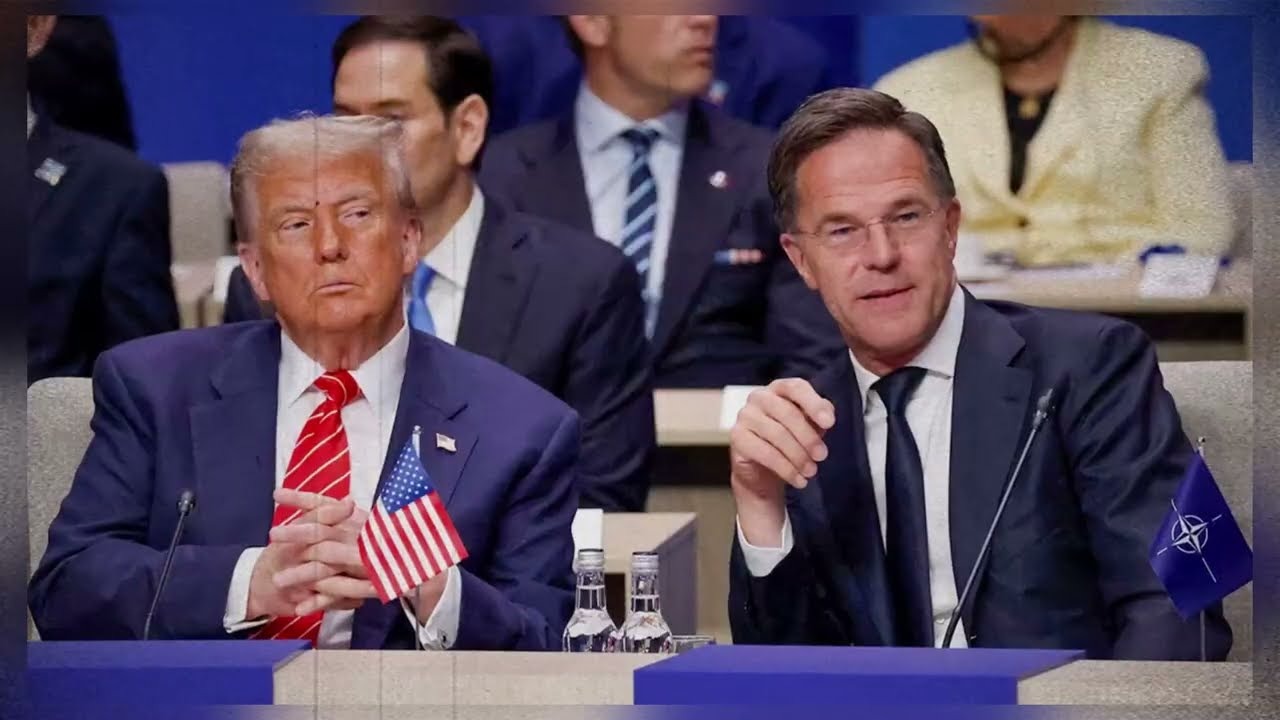
The chilling conclusion of the video’s narrative is simple: Canada didn’t “declare independence” with a speech. It did it with systems—satellites, drones, data centers, and command authority—built to function even if trust collapses.
And that’s the part that keeps people up at night: once a country restructures its security architecture around self-reliance, the old assumptions don’t just weaken.
They don’t come back.