Rachel Maddow didn’t raise her voice. She didn’t need to.
In her latest MS Now segment, Rachel Maddow delivered something quieter — and perhaps more unsettling — than outrage. As images from Minnesota filled the screen, she slowed the pace, letting the story breathe in the spaces most coverage rushes past. What emerged wasn’t just another protest narrative, but a deeper question about what happens when democratic resistance stops shouting and starts enduring.

The focus was Minnesota, where Operation Metro Surge, launched in late 2025, brought thousands of federal agents into Minneapolis under the banner of mass deportation enforcement.
Officially framed as a law-and-order initiative, the operation quickly transformed the Twin Cities into a national flashpoint. Demonstrations grew not because of spectacle, Maddow noted, but because of persistence.
That persistence took on a different weight after January 7, when Renee Nicole Good, 37, was fatally shot by an ICE officer during a confrontation while seated in her vehicle. Initial statements offered a familiar narrative.
But Maddow lingered on video evidence that complicated it — footage that didn’t shout contradiction, but quietly resisted the official version. Transparency, she implied, wasn’t explosive. It was corrosive.
Then came January 25. Another death. Alex Pretti, a nurse, killed in a separate incident involving federal agents. This time, the federal response included an unusual move: restricting the social media access of agents involved. Maddow didn’t speculate — she simply asked why such a step was necessary now.
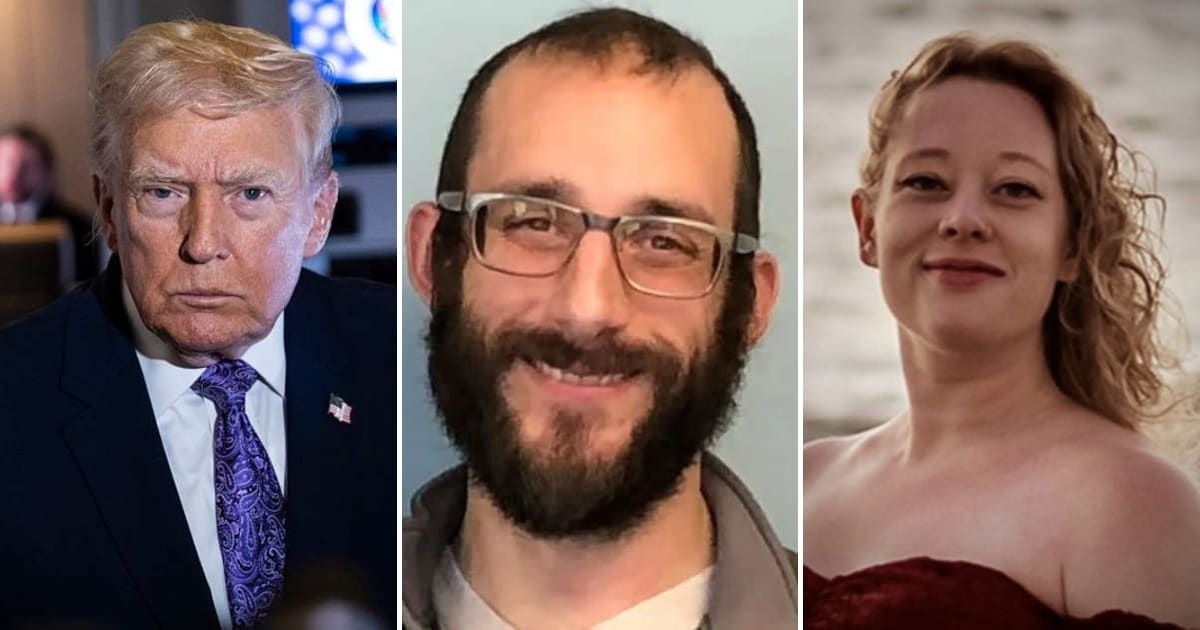
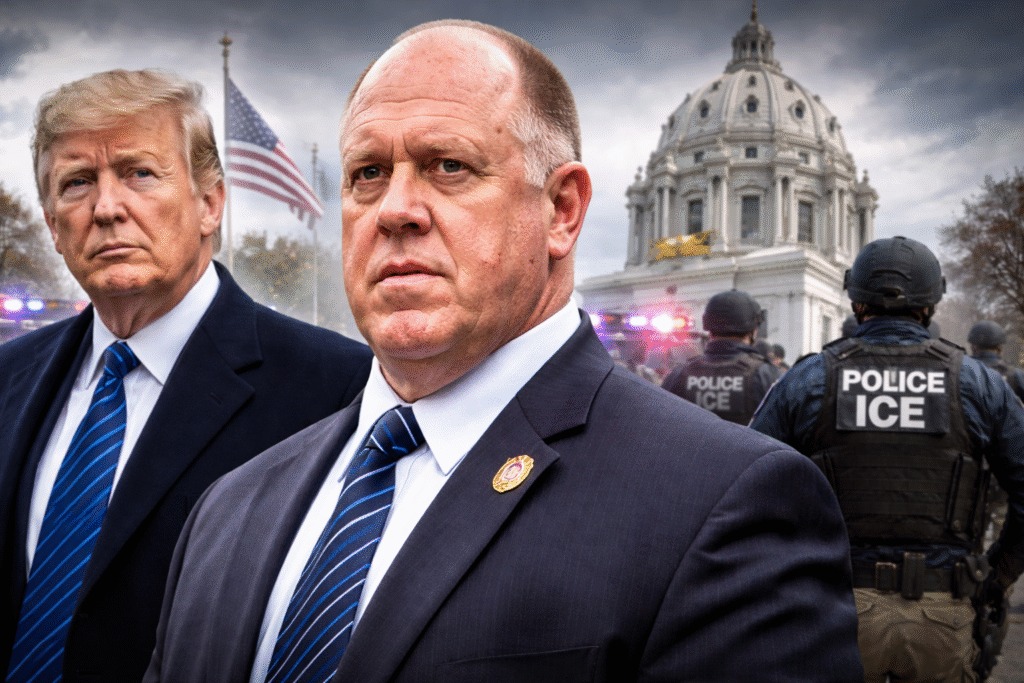
As protests intensified, the administration escalated. President Donald Trump dispatched border czar Tom Homan to oversee operations directly. On Truth Social, Trump floated the possibility of invoking the Insurrection Act. Maddow framed this not as strength, but as strain — a sign that force was meeting something it couldn’t easily dissolve.
Meanwhile, Governor Tim Walz drew a clear line. Calling the agents “untrained,” he warned that the state was approaching an “inflection point.” Maddow contextualized his remarks within a longer history of state-federal tension over immigration, recalling similar clashes during Trump’s first term — moments when courts, governors, and civil society collectively slowed federal momentum.
What followed was unprecedented. On January 23, Minnesota saw a statewide general strike — the first in the U.S. in roughly 80 years. Labor unions halted work. Faith leaders locked arms. Communities paused their routines. Over 100 arrests were made, yet there were no reports of protester-initiated violence. Maddow contrasted this stillness with the imagery of federal force, letting the imbalance speak for itself.
She called it the exercising of “democratic muscles” — the slow, repetitive actions that don’t trend instantly but reshape outcomes over time. Court challenges. Economic disruption. Moral pressure. None dramatic alone. Together, relentless.
Clergy arrests during peaceful blockades added another layer. So did polling data showing Trump’s immigration policies deeply unpopular nationwide, feeding into looming midterm debates. Maddow didn’t claim causation. She suggested convergence.
Throughout the segment, chants echoed — “ICE out now,” “No more Minnesota nice” — but the heart of the story remained in the quieter frames: vigils for Good and Pretti, hands clasped, candles flickering against frozen air. People who were no longer statistics.
Maddow closed not with certainty, but with tension. If democracy erodes loudly, she suggested, it may recover quietly — through endurance rather than eruption.
And the lingering question remained: if this model spreads, what happens to power that depends on escalation alone?