A seismic shift in global capital flows is underway as one of the world’s largest institutional investors formally chooses Canada over the United States for long-term stability. IFM Investors, a global powerhouse managing over $260 billion on behalf of Australian and UK pension funds, is significantly expanding its North American footprint by establishing a permanent office in Toronto and committing billions to Canadian infrastructure.
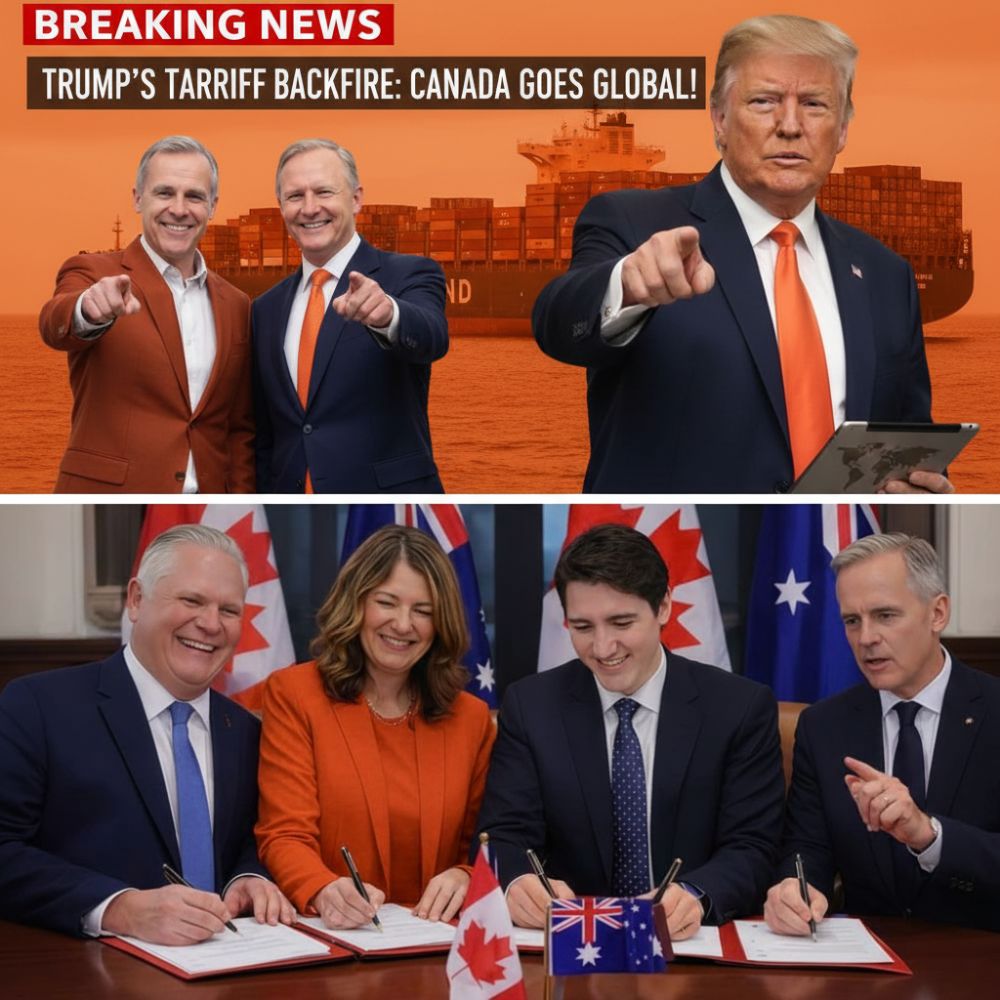
The move is a direct geopolitical signal, marking Canada as a financial safe haven amid the volatility of Donald Trump’s second-term America. IFM’s executives cite Canada’s regulatory clarity, clean power grid, and political stability as decisive advantages for investors thinking in decades, not election cycles. This pivot comes as Trump’s escalating tariff war shakes confidence across the continent.
“We see a lot of attraction towards investing in Canada,” an IFM representative stated, highlighting core infrastructure areas like transportation, utilities, and energy assets. The firm already owns major Canadian assets, including Toronto’s Enwave deep lake water cooling network and stakes in Vancouver’s port terminals. Its new strategy targets transportation, clean energy, renewable natural gas, and the data center infrastructure crucial for the AI economy.
The contrast with the United States is stark. While Canada, under Prime Minister Mark Carney, pursues a strategy of long-term nation-building and clean energy investment, the Trump administration has reversed clean energy incentives and weaponized trade policy. For pension funds with 30 to 50-year horizons, such unpredictability is a disqualifier.
IFM’s decision is part of a broader, quiet realignment of global capital. European and Asian firms are increasingly building partnerships and supply chains through Canada, seeking a predictable alternative to the U.S. This trend is amplified by Canada’s strategic advantages: one of the cleanest electricity grids in the G20, vast critical mineral deposits, and a reputation for apolitical regulatory consistency.

The economic benefits are immediate and substantial. Large-scale infrastructure projects generate thousands of construction and operations jobs, stabilize municipal revenues, and boost trade capacity. Analysts note that even a modest shift of IFM’s future allocations could funnel over $12 billion in new investment into Canada within a decade, likely triggering a wave of follow-on foreign direct investment.
The symbolism cuts deep. Australia, a nation with profound historical ties to the United States, is now channeling its retirement savings into Canadian soil—a profound vote of no confidence in American stability. This shift was underscored at the recent G20 summit, where an absent President Trump ceded the stage.
Prime Minister Carney, fresh from securing a $90 billion investment pledge from the UAE, engaged a broad slate of world leaders in Johannesburg. When asked if he had a “burning issue” to discuss with President Trump, Carney’s reply was telling: “I don’t have a burning issue to speak with the president about right now.”
This stance reflects a fundamental break from decades of Canadian foreign policy. Ottawa is no longer reacting to Washington’s whims but actively diversifying its economic and diplomatic partnerships. The federal budget, containing over 18 explicit trade references compared to the typical two to five, unveils a new Strategic Export Office designed to help businesses break into non-U.S. markets.

The new reality is being tested by Trump’s latest tariff salvo, including duties on Canadian softwood lumber up to 45%. The response from Canadian premiers has been uncharacteristically forceful. Ontario Premier Doug Ford launched a $75 million media campaign in U.S. states, arguing tariffs hurt American homeowners, while Saskatchewan’s premier noted his province’s uranium fuels 94 U.S. nuclear reactors.
This provincial assertiveness, combined with Ottawa’s calibrated diplomacy, reveals a nation recalibrating its power. The intertwined nature of the North American economy means U.S. protectionism inflicts immediate self-harm, driving up inflation and housing costs for American citizens.
IFM Investors’ expansion is more than a business decision. It is a landmark moment where patient capital votes with its wallet, declaring Canada the safer, strategic home for the next generation of infrastructure and AI development. As one analyst concluded, “Capital speaks loudly. And right now, it’s speaking with a Canadian accent.” The world is diversifying away from American unpredictability, and Canada is emerging as the primary beneficiary.