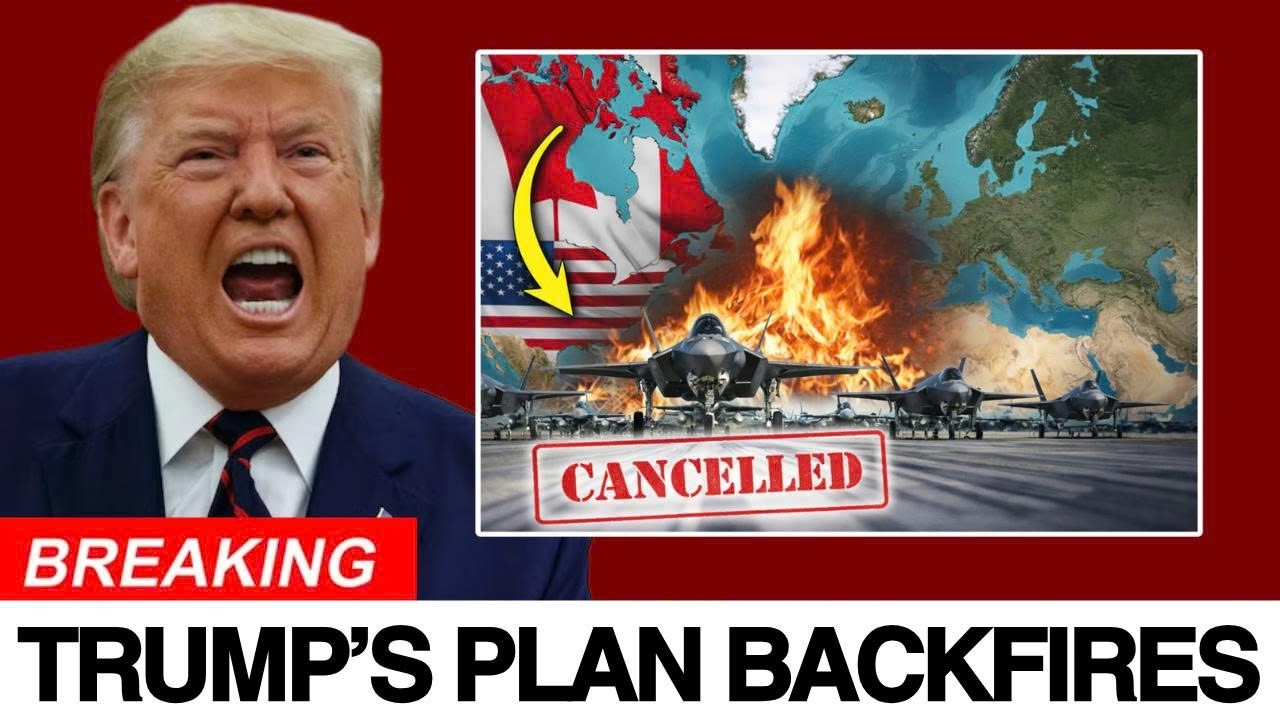
Donald Trump didn’t expect this reaction. Not from Canada. Not from one of America’s closest allies. But in a move that’s rattling Washington, shaking NATO, and thrilling European defense capitals, the Carney government has effectively frozen Canada’s $13.2 billion F-35 fighter jet deal—and is now openly turning to Europe instead.
This wasn’t about faulty jets or technical disappointment. The F-35 is one of the most advanced fighter aircraft ever built. It was about sovereignty, respect, and a line Canada says Trump crossed.
The turning point came in February 2025, when Trump casually suggested on social media that Canada should become the “51st state” if it couldn’t survive economically on its own. In Washington, it may have been framed as bravado or provocation. In Canada, it landed as a direct insult to national independence.
Prime Minister Mark Carney didn’t mince words. Standing before reporters on March 10, he called the idea “crazy” and made Canada’s position unmistakably clear: Canada’s strategic future will not be dictated by unilateral pressure from any country—ally or not.
Within 48 hours, the unthinkable happened.
Canada began pulling the emergency brake on its largest defense procurement in decades. The F-35 agreement—worth roughly 19 billion Canadian dollars for 88 jets—was suddenly under “active review.” Two days later, Carney publicly acknowledged what insiders already knew: withdrawal was now inevitable.
The implications are massive.
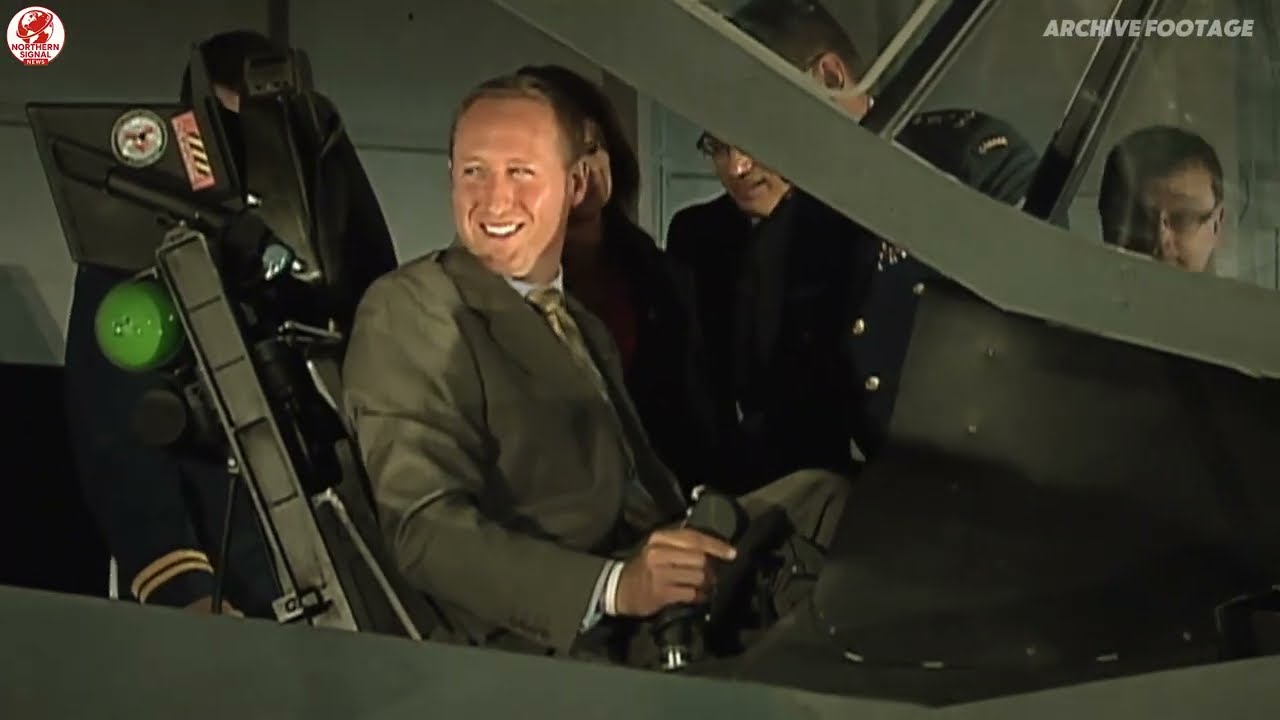
The F-35 deal wasn’t just about planes. It symbolized deep U.S.–Canada defense integration under NORAD, the shared shield over North American airspace. Walking away signals more than a procurement shift—it marks a potential strategic realignment.
Defense Minister Bill Blair confirmed that Ottawa is now seriously evaluating European alternatives. Three aircraft have surged to the top of the list:
– The Eurofighter Typhoon, backed by a major European consortium
– France’s Rafale, a battle-tested multirole aircraft
– Sweden’s Saab Gripen E, the dark-horse option turning heads in Ottawa
The Gripen, in particular, has captured attention—not for raw power, but for what it represents. Sweden has reportedly offered something the F-35 never could: technology transfer, domestic maintenance, and partial manufacturing inside Canada. In other words, not just jets—but control.
That’s the heart of this crisis.
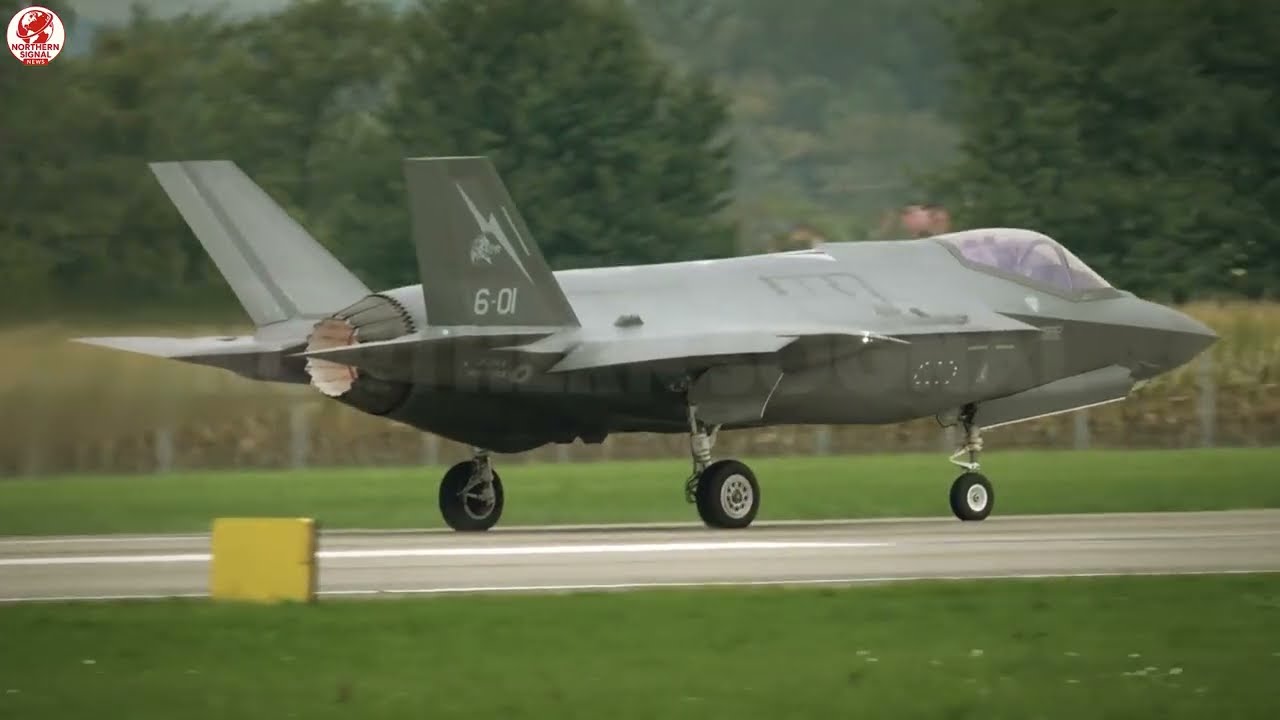
Under the F-35 program, Lockheed Martin retains tight control over software, upgrades, and supply chains. Canada would fly the aircraft—but never fully own it. European options, while less stealthy, promise something Ottawa now values more: technological independence.
Still, the choice comes at a steep cost.
Walking away from the F-35 means abandoning billions already spent on infrastructure, pilot training, and logistics. Analysts warn that switching platforms could add billions more in unforeseen expenses. And there’s no escaping reality: none of the European jets match the F-35’s fifth-generation stealth—an advantage considered critical in the rapidly militarizing Arctic.
But for the Carney government, this is no longer just a military equation.
The Arctic is heating up—literally and geopolitically. Melting ice is opening shipping routes and intensifying competition among Canada, Russia, China, and yes, the United States. Ottawa increasingly views the region as an extension of its homeland, not an international free-for-all.
Relying entirely on U.S.-controlled defense systems now feels like a strategic vulnerability.
Inside Canada, public opinion is shifting fast. Provinces hit hardest by Trump’s tariffs—Ontario and Quebec—are rallying behind a tougher stance. Pollsters note a rare moment in Canadian politics: sovereignty is now outweighing the instinct to placate Washington.
In the U.S., the mood is tense. Lockheed Martin is bracing for potential losses. Some senators are already floating retaliatory tariffs if Canada formally cancels the deal. What began as a procurement dispute risks snowballing into a broader trade and diplomatic confrontation.
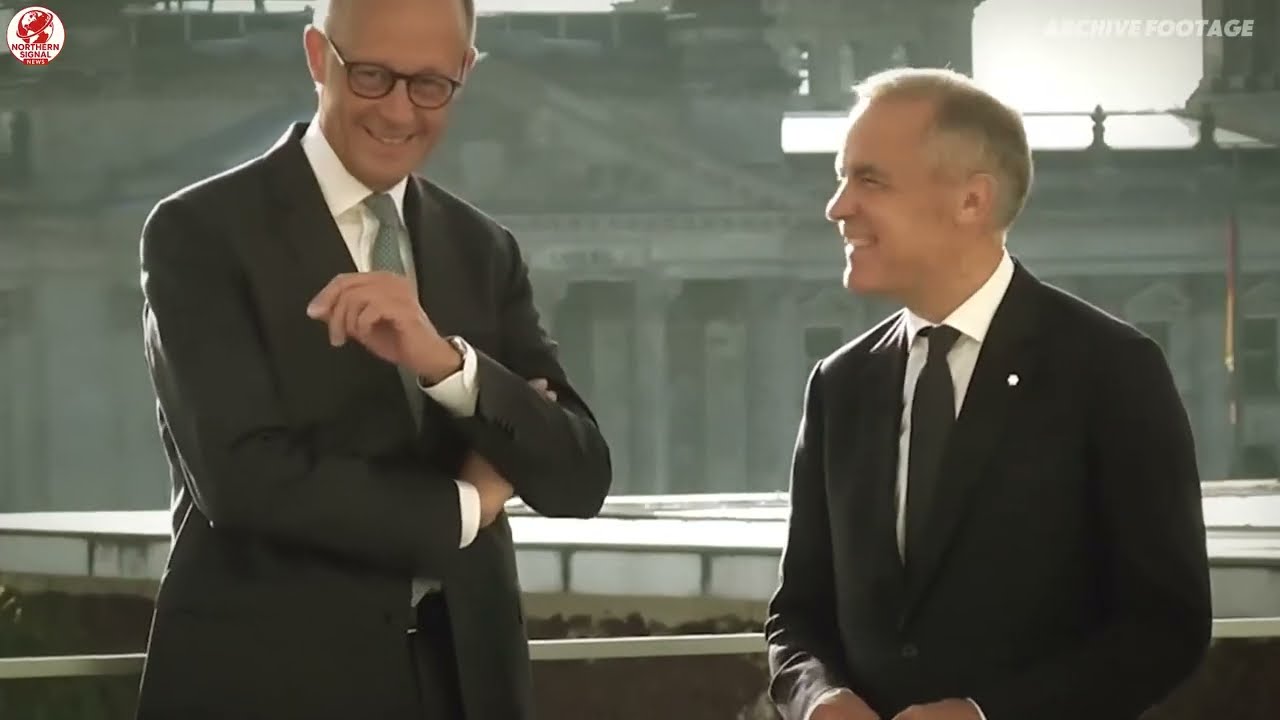
Europe, meanwhile, smells opportunity.
France, Germany, and Sweden see a chance not just for contracts, but for deeper strategic alignment with a G7 power seeking alternatives to American dominance. For NATO, it raises an uncomfortable question: what happens when loyalty to the alliance no longer means unquestioned reliance on Washington?
Canada insists this isn’t a breakup—just a recalibration. But the message is unmistakable.
This isn’t about fighter jets anymore.
It’s about a country deciding it will no longer trade dignity for dependency.
And if Canada can say no, others may soon follow.






