🚨✈️🔥 What REALLY Scares the Pentagon About Sweden’s GRIPEN Fighter Jet 🇸🇪💥🇺🇸
Sweden’s Saab Gripen fighter jet is sending shockwaves through the Pentagon, sparking urgent strategic reassessments across U.S. defense circles. It’s not the jet’s raw speed or stealth that alarms American planners, but its revolutionary approach to air power—challenging decades of reliance on expensive, high-tech dominance in global air combat.
Unlike America’s F-35, widely regarded as the pinnacle of fighter technology, the Gripen embraces simplicity, reliability, and cost-efficiency. Its design philosophy prioritizes operational readiness and resilience over cutting-edge specs, offering nations a sustainable, independent alternative to the costly, maintenance-heavy U.S. counterparts. This shift threatens to redefine air superiority in fundamental ways.

American officials are grappling with the profound implications. The F-35, despite superior stealth and avionics, struggles with readiness rates hovering between 30 to 50 percent. In stark contrast, Gripen fleets sustain 80 to 90 percent mission availability, demonstrating a practical—and decade-tested—approach to sustained air operations that many smaller nations find irresistible.
Gripen’s adaptability is extraordinary. It can operate from highway strips as short as 800 meters, with maintenance crews of just six personnel capable of quickly refueling and rearming the fighter under austere conditions. This ensures survivability and sustained combat presence even when traditional infrastructure is compromised—a critical capability that the Pentagon now views as a game changer.
Cost is another battleground. The U.S. Government Accountability Office reports F-35 flight hours range between $35,000 and $47,000, while the Gripen’s operating cost averages a fraction at $8,000 per hour. This dramatic disparity allows countries to deploy more aircraft, conduct frequent training, and maintain operational tempo without sacrificing budgetary constraints.

Strategically, Gripen represents more than just an aircraft; it embodies autonomy. Sweden’s export strategy emphasizes local assembly, technology transfer, and industrial participation, fostering defense independence among buyers. Brazil’s domestic Gripen production and the Czech Republic’s maintenance roles exemplify this growing trend, making Washington increasingly uneasy about losing control over allied air capabilities.
Electronics warfare and interoperability further complicate matters. Gripen seamlessly integrates with NATO systems like the F-35, F-16, and Eurofighter Typhoon, enabling joint operations without locking buyers into American supply chains. Its electronic countermeasures excel in jamming and deception, proving invaluable during NATO exercises focused on suppression of enemy air defenses.
This changing paradigm confronts NATO with tough questions over cost, control, and combat readiness. Should air superiority depend on a handful of hyper-expensive stealth fighters grounded for maintenance or a robust fleet of reliable aircraft that can sustain extended combat operations? Gripen’s impressive real-world performance tilts the scale toward the latter, forcing a rethink of traditional doctrine.

The Pentagon’s apprehension centers on Gripen’s challenge to American military hegemony. It does not threaten direct air-to-air dominance but erodes the assumption that advanced technology and American oversight are prerequisites for effective national defense. Gripen empowers nations to assert sovereignty and resist dependence on U.S. technology approvals and supply chains.
Operational autonomy matters now more than ever. Countries facing fiscal constraints are finding Gripen’s balance of cost-effectiveness and capability irresistible. By flying more hours at lower cost, they enhance pilot readiness and mission effectiveness—capabilities critical for regional stability and defense that no amount of stealth tech can replace alone.
Sweden’s Gripen presses a fundamental question to global powers: is absolute technological supremacy worth ceding strategic independence? This growing dilemma threatens to fracture long-standing alliances and procurement patterns, forcing Washington to confront a future where defense decisions prioritize autonomy over standardized supremacy.
Gripen’s rising global footprint signals not just a shift in aircraft preferences but a seismic evolution in defense philosophies. Medium-sized nations increasingly favor pragmatic solutions that deliver dependable air defense without the high price tag or dependency of U.S. platforms, reshaping the global balance of power quietly yet decisively.

As more countries weigh this choice, Gripen’s influence expands, heralding a new era where operational readiness, sustainability, and local control define real air superiority. The aircraft is not merely a competitor in aerial combat—it is a symbol of strategic self-determination challenging entrenched geopolitics. In the end, the urgent debate echoes far beyond technical specifications. Nations must decide whether to embrace costly dependence on foreign technology or pursue sufficient capability paired with full sovereign control. Sweden’s Gripen makes that choice clear, reshaping defense paradigms and unsettling the Pentagon’s long-held assumptions.
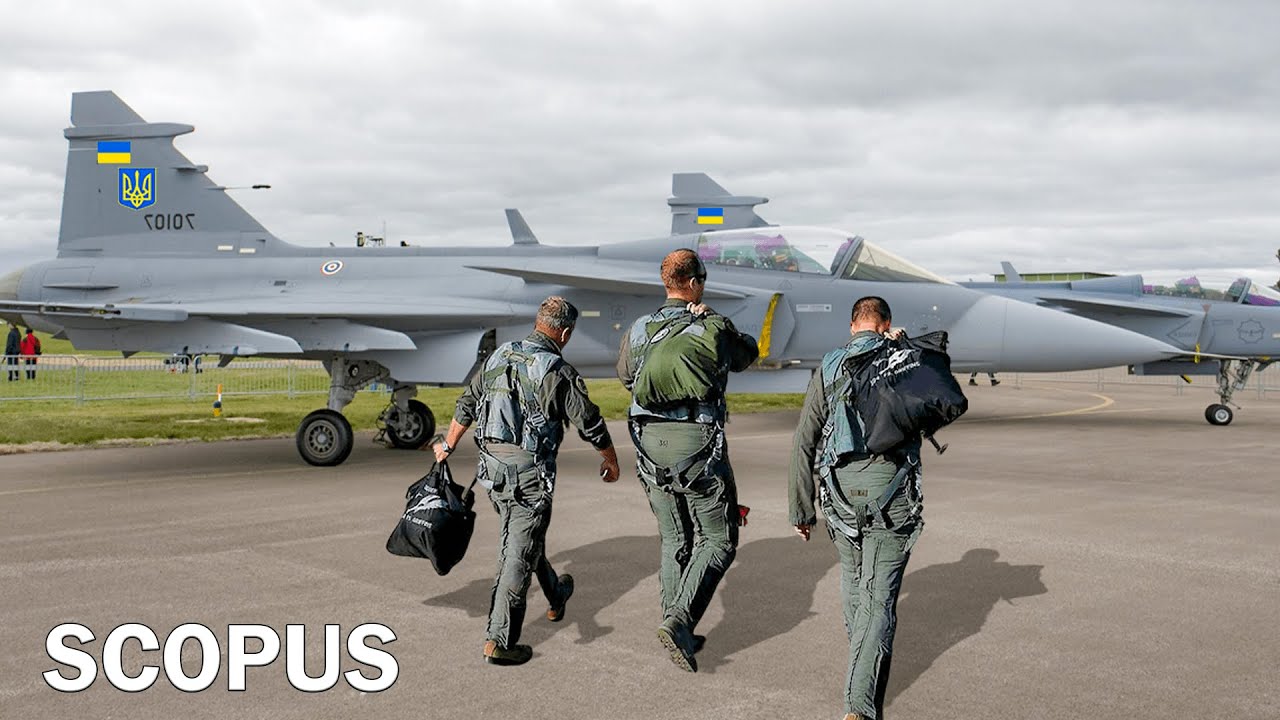
Washington’s unease is no secret. Gripen questions the very foundations of U.S. air dominance strategy, highlighting how global military power can shift without firing a single missile—through smarter economics, higher availability, and a decentralized, resilient approach to air combat.
The Gripen story is far from over. As Ottawa considers integrating the fighter—potentially bringing 10,000 high-tech jobs to Canada—the broader implications ripple worldwide. Gripen’s model could unsettle defense markets, upset political alliances, and trigger a strategic realignment with consequences reaching the highest echelons of military planning.
Ultimately, the Gripen controversy spotlights a critical crossroads in defense thinking. It compels leaders to reconsider traditional notions of superiority, balancing innovation with independence. How nations respond will shape not just air forces, but the future architecture of global security itself—making Gripen a true disruptor on the world stage.