€150B DEFENSE SHIFT: CANADA TURNS TO EUROPE, LEAVING U.S. SUPPLIERS REELING
Canada has made one of the most consequential defense decisions in modern NATO history. Under Prime Minister Mark Carney, Ottawa has formally joined the European Union’s Security Action for Europe (SAFE) program, gaining access to a €150 billion defense financing framework designed to reduce reliance on American military suppliers. The move signals a strategic reset in Canada’s defense posture—and sends a blunt message to Washington that the old assumptions no longer apply.
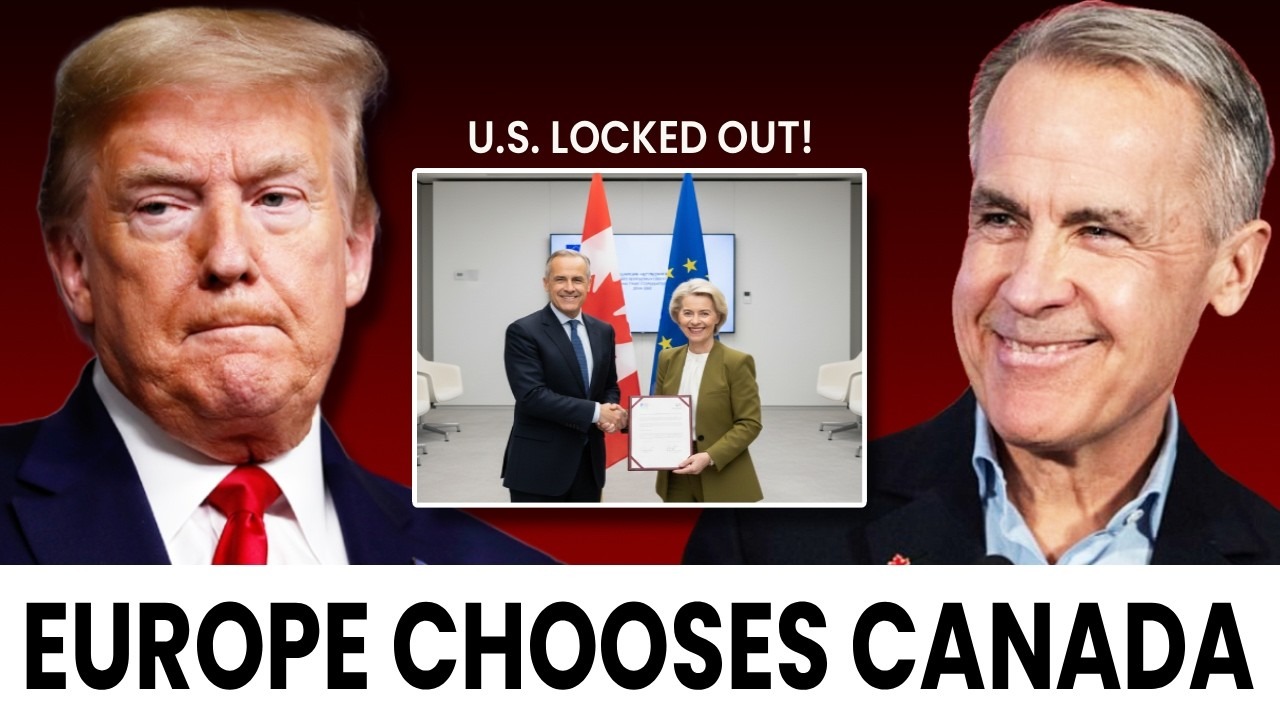
By entering SAFE as a full participant, Canada becomes the first non-European country granted access to the EU’s coordinated procurement, financing, and joint weapons development system. The agreement, finalized in February 2026 after months of negotiations, allows Canadian firms to compete for contracts funded by European-backed loans, while locking procurement into strict rules requiring at least 65% European content. This structure is deliberate: it keeps money, factories, and supply chains anchored in Europe rather than flowing to U.S. defense giants.
The implications for the United States are substantial. For decades, roughly 75% of Canada’s annual defense procurement—more than $11 billion Canadian dollars per year—has gone to American contractors. Even a partial shift toward European suppliers could redirect billions over the next decade. Companies long accustomed to viewing Canada as a guaranteed market now face a reality where bulk European procurement, shared development, and technology transfer offer Ottawa more leverage and better terms than traditional bilateral U.S. deals.
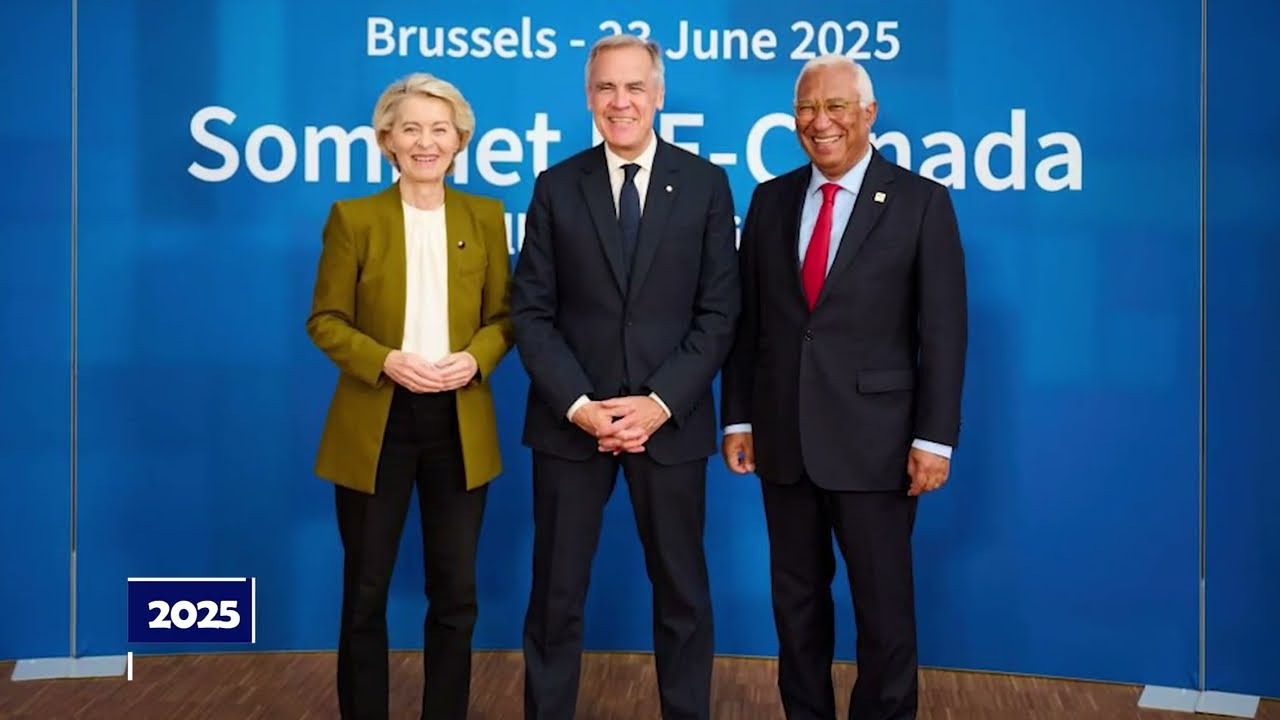
SAFE itself was born out of hard lessons. After Russia’s invasion of Ukraine exposed Europe’s limited stockpiles and dependence on American production lines, EU leaders chose industrial autonomy over deeper reliance. The €150 billion program finances everything from artillery and missiles to submarines, cyber warfare systems, and AI-enabled surveillance—while ensuring that production capacity grows inside Europe. Canada’s entry strengthens that ecosystem while giving Ottawa access to alternatives previously unavailable through U.S.-centric supply chains.
This shift also reverberates inside NATO. Canada remains committed to the alliance and to NORAD, but diversification changes the balance of influence. When allied forces rely less on American spare parts, upgrades, and approvals, Washington’s leverage naturally declines. Political uncertainty—amplified by repeated NATO skepticism from President Donald Trump—accelerated Europe’s push for autonomy, and Canada’s decision shows that even close allies are hedging against volatility.
Ultimately, this is not a symbolic gesture but a structural realignment. Canadian companies are already positioning to bid on European-funded projects, future submarine programs are being shaped alongside France and Germany, and cyber defense networks are aligning with European standards. What was meant as pressure from Washington has produced the opposite result: a more autonomous Canada, deeply embedded in Europe’s defense-industrial base. The question now is whether other U.S. allies will follow—and how Washington will respond as billions in future defense contracts continue drifting across the Atlantic.