CARNEY PIVOTS TO INDIA WITH $70B TRADE TARGET AS GLOBAL TRADE DYNAMICS SHIFT
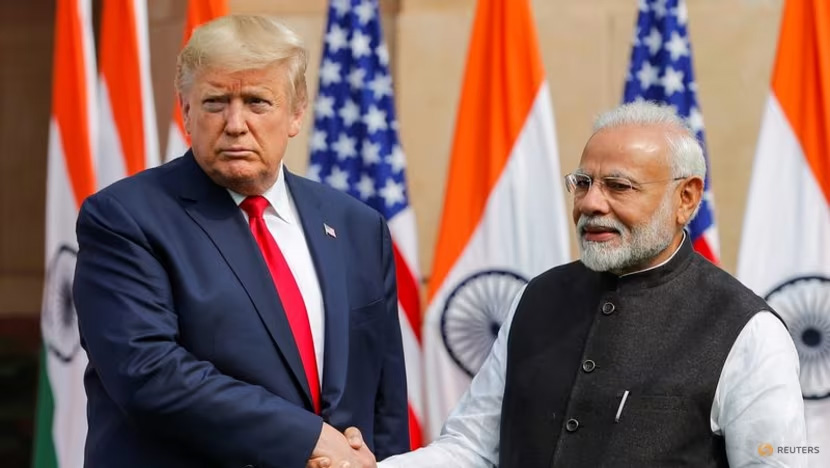
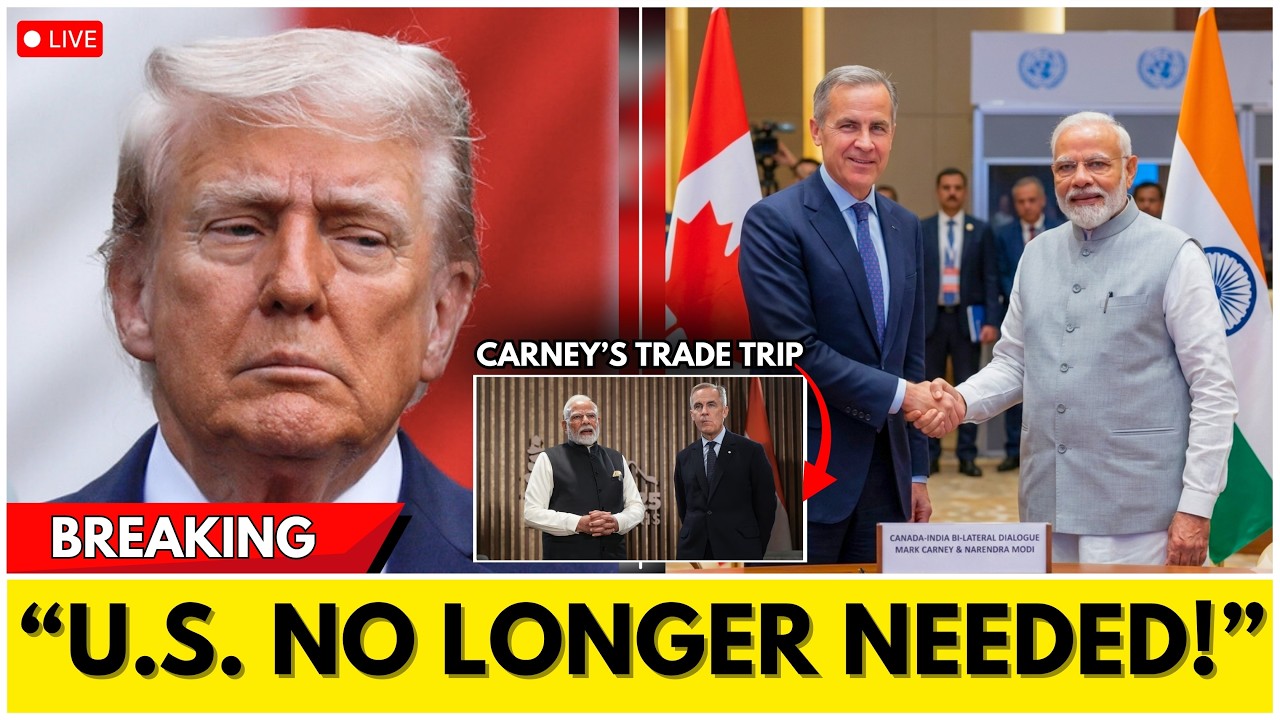
Prime Minister Mark Carney has launched a high-profile trade mission to India, signaling a major strategic effort to diversify Canada’s economic partnerships amid shifting global trade conditions.
The visit, spanning Mumbai and New Delhi, centers on advancing negotiations toward a Comprehensive Economic Partnership Agreement (CEPA). The goal: more than double bilateral trade to $70 billion by 2030 — up from roughly $30–35 billion today.
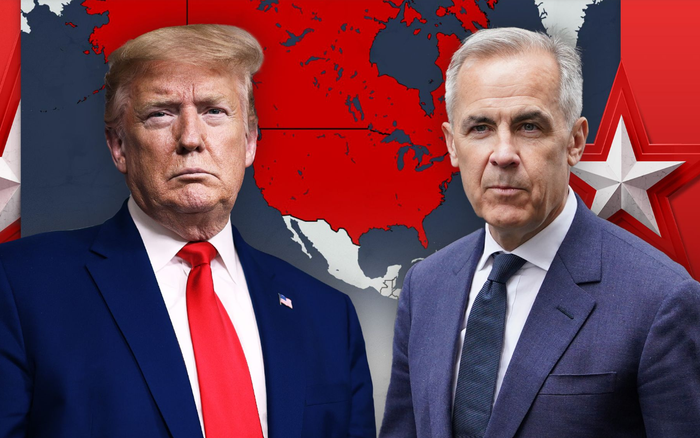
While Canada’s trade with the United States remains vastly larger (approximately $700 billion annually), Ottawa is clearly working to reduce concentration risk ahead of the scheduled review of the United States-Mexico-Canada Agreement.
Resetting Canada–India Relations
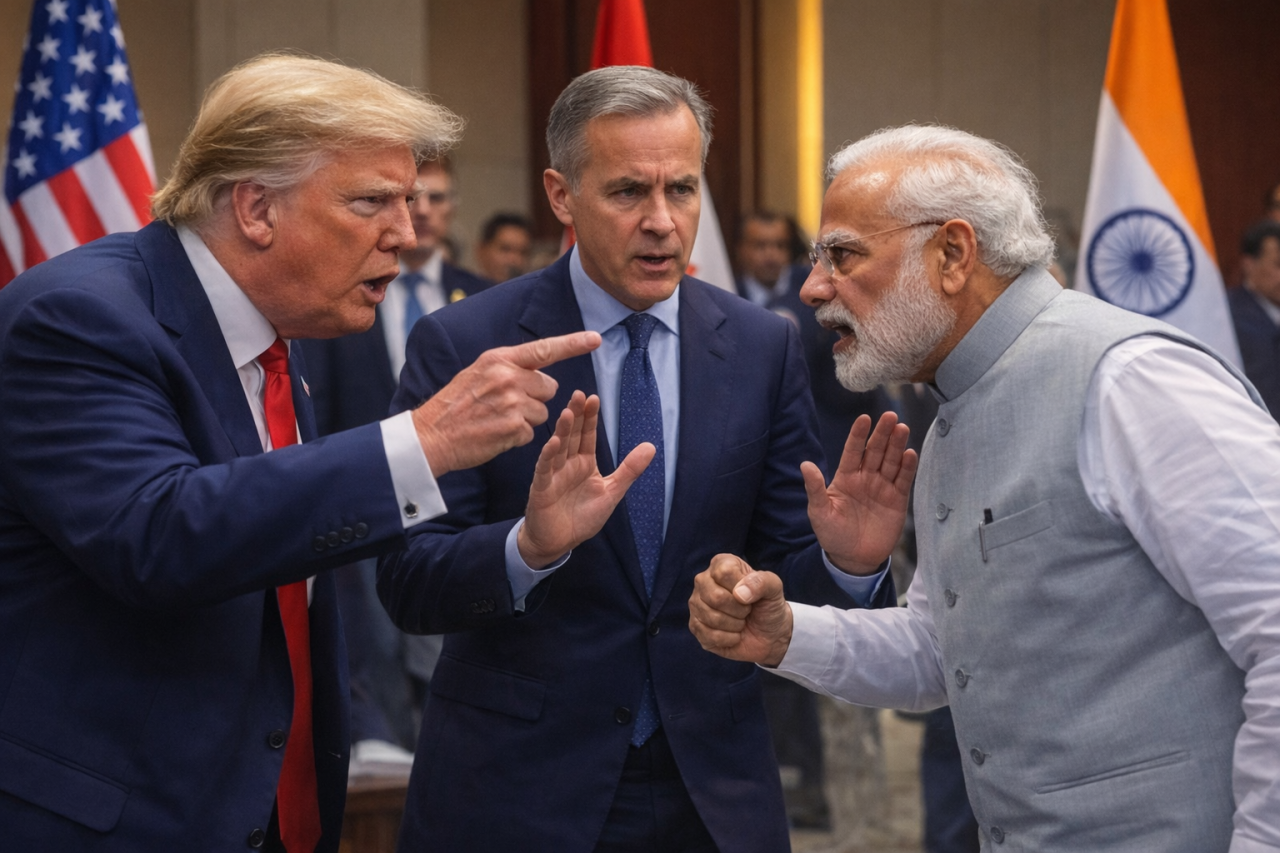
Canada–India ties experienced strain in 2023 amid diplomatic and security tensions. Since then, both governments have moved cautiously toward stabilization.
A turning point came during Carney’s meeting with Prime Minister Narendra Modi at the G20 Johannesburg Summit in November 2025, where formal CEPA negotiations were launched.
This February 2026 visit marks Carney’s first official trip to India as prime minister and represents a practical step in translating diplomatic normalization into economic policy.
What the $70B Target Means
The proposed CEPA aims to:
Eliminate tariffs on most goods
Expand services trade
Increase bilateral investment flows
Address digital commerce and innovation
Improve labor mobility frameworks
Strengthen sustainable development cooperation
Reaching $70 billion in trade by 2030 would require sustained annual growth and deeper sectoral integration.
Canada’s Competitive Strengths:
Energy exports: oil, natural gas, uranium, LNG
Critical minerals: lithium, cobalt, nickel
Agriculture: pulses, wheat, canola
India’s Strategic Value:
Fast-growing major economy
Expanding middle-class consumer base
Manufacturing scale
Technology and engineering talent
Canadian pension funds — among the largest institutional investors globally — are reportedly exploring expanded commitments in Indian infrastructure, clean energy, and logistics.
Supply Chains and Strategic Sectors
The agreement could significantly affect:
Battery and EV supply chains
Renewable energy components
Semiconductor inputs
Digital services
Defense industrial cooperation
There is also discussion of broader Indo-Pacific coordination, including cooperation frameworks involving Australia.
For Canada, diversification does not mean decoupling from the United States. Rather, it reduces overreliance and strengthens negotiating leverage in future trade reviews.
Geopolitical Context
This move comes amid:
Anticipated USMCA review discussions
Global supply chain restructuring
Strategic competition across the Indo-Pacific
Increasing emphasis on “friend-shoring” and resource security
Trade experts characterize the approach as pragmatic rather than confrontational. India gains energy security and foreign investment. Canada gains market diversification and access to high-growth sectors.
What to Watch
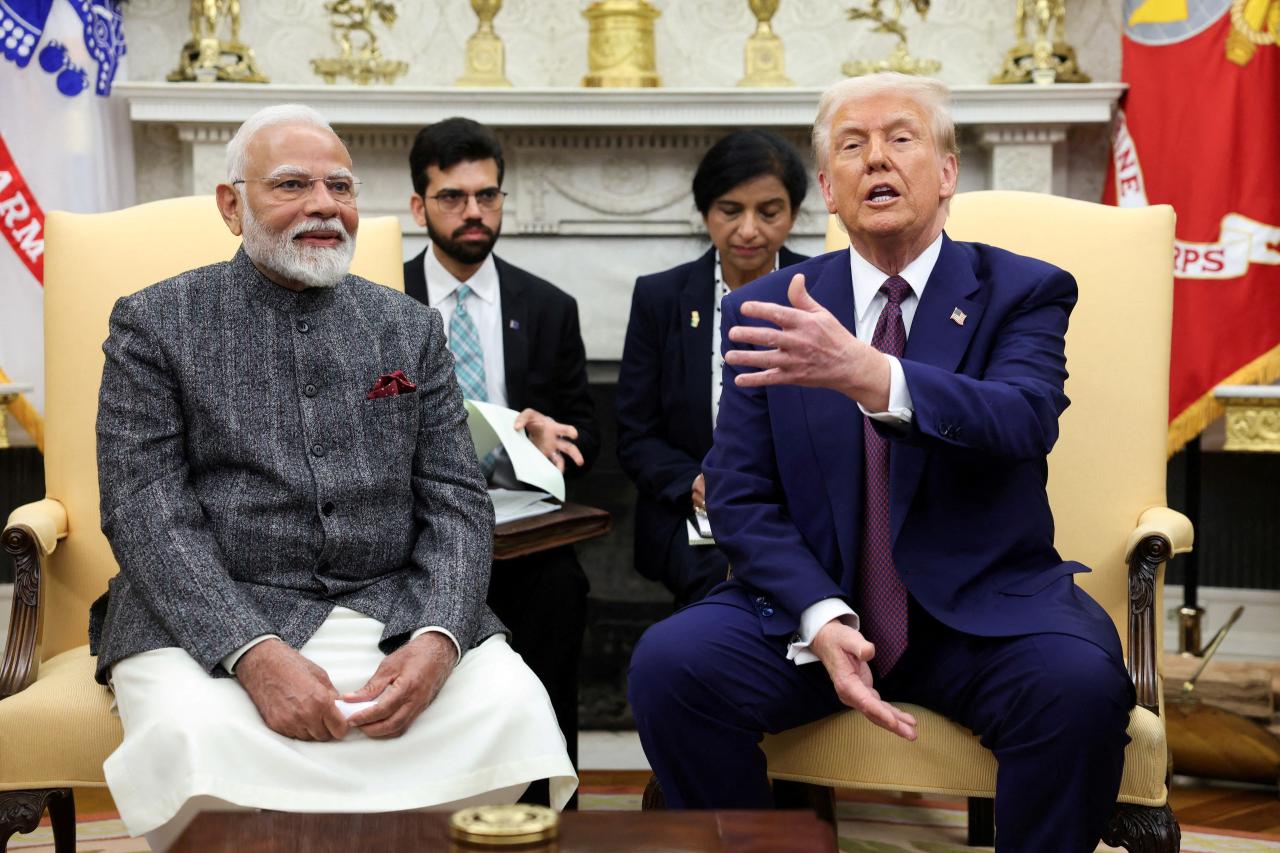
Key developments expected during the visit include:
Announcements at the bilateral Chief Executives Forum
Sector-specific memoranda of understanding
Early-stage investment commitments
Timelines for tariff-reduction frameworks
If successfully negotiated, the CEPA could become one of Canada’s most significant non-U.S. trade agreements of the decade.
The Bigger Picture
For decades, Canada’s economic architecture centered overwhelmingly on North American integration. That foundation remains intact. But Ottawa’s current strategy reflects a clear adjustment:
Build resilience through diversification.
Whether the $70 billion target is achieved on schedule will depend on implementation, political continuity, and global economic conditions. But the direction of travel is unmistakable — Canada is expanding its economic footprint in the Indo-Pacific while maintaining its core North American ties.
In an era of volatility, strategic optionality is becoming a form of leverage.